How Crypto Wallet Technology Works
A crypto wallet is software that stores cryptographic keys—not actual coins. When you send Bitcoin or USDT to a wallet address, the blockchain records the transaction, and your wallet's private key proves ownership. Mobile wallets like those on iOS or Android hold these keys locally on your phone or in cloud storage tied to your account. They do not hold fiat currency because they are not connected to banking infrastructure. Crypto wallets explained simply: they are key managers, not bank accounts. The wallet software lets you view balances, create transactions, and receive funds, but it cannot convert crypto to cash on its own. That conversion requires a separate service—an exchange or payment processor—that bridges the crypto and fiat worlds. This separation is by design: it keeps your private keys under your control and away from centralized intermediaries.
Why Most Mobile Wallets Cannot Withdraw Cash
Crypto wallets do not permit cash withdrawal because they operate on decentralized blockchains, not banking networks. A mobile wallet example is a self-custody app like one that stores Tron tokens; it manages only the blockchain side of your assets. To withdraw cash, you need a regulated financial institution—a bank or licensed exchange—that can process fiat transfers. Exchanges that do allow cash withdrawal must comply with AML (Anti-Money Laundering) and KYC (Know Your Customer) rules, which require identity verification and transaction monitoring. A pure crypto wallet avoids these regulatory burdens by staying out of the fiat system entirely. If a mobile wallet claims to offer cash withdrawal directly, it is likely a custodial wallet operated by a company that holds your keys and acts as a financial intermediary. Those services do permit withdrawals but charge crypto wallet fees for the privilege and expose you to counterparty risk—the company could freeze your account, suffer a breach, or face regulatory action.
Custodial vs. Self-Custody Mobile Wallets
Custodial wallets are operated by companies that hold your private keys and connect to banking rails, so they can offer cash withdrawal. Examples include mobile apps from regulated exchanges or payment services. These wallets permit cash withdrawal because the operator is a licensed financial institution subject to AML compliance and sanctions screening. The trade-off: you trust the company with your keys, and they may freeze your account if they flag your crypto wallet number or transaction history as high-risk. Self-custody wallets give you full control of your keys but no direct path to cash. You must transfer your crypto to an exchange, complete identity verification, and wait for the exchange to process your withdrawal. Self-custody wallets typically charge no fees for storage, while custodial wallets often impose crypto wallet fees on deposits, withdrawals, or conversions. For users concerned about tainted coins or sanctions exposure, self-custody offers privacy; for users who want convenience, custodial wallets offer fiat on-ramps and off-ramps.
Crypto Wallet Fees and Cash Conversion Costs
Converting crypto to cash involves multiple layers of fees. If you use a self-custody wallet, you pay a blockchain transaction fee to send coins to an exchange—this is a network fee, not a wallet fee. Once on the exchange, you face conversion fees (the spread between buy and sell prices), withdrawal fees (to move fiat to your bank), and sometimes deposit fees if the exchange charges for receiving crypto. Custodial wallets may bundle these costs or charge a flat percentage. Crypto wallet fees vary widely; some exchanges charge 0.1% to 2% per transaction, while others use tiered pricing based on volume. If your wallet receives flagged or tainted coins, exchanges may freeze your account pending AML review, delaying or blocking your cash withdrawal entirely. This is why checking your wallet's transaction history and risk score before attempting withdrawal matters. Services on our curated AML Services list can help you screen incoming funds and assess whether your wallet is exposed to high-risk sources, darknet activity, or sanctions violations—reducing the chance of a frozen account.
What Happens When You Try to Withdraw from a Non-Custodial Wallet
If you attempt to withdraw cash directly from a non-custodial mobile wallet, nothing happens—the wallet software has no connection to banking systems. You must manually move your crypto to an exchange or payment service that does offer fiat withdrawal. This process involves:
- copying your exchange deposit address,
- initiating a send transaction from your mobile wallet,
- paying the blockchain network fee,
- waiting for the transaction to confirm (typically 10 minutes to an hour), and
- completing identity verification on the exchange. Only then can you convert crypto to fiat and withdraw to your bank. During this process, the exchange screens your wallet address and transaction history for AML risk. If your coins came from a mixer, darknet market, or sanctioned entity, the exchange may reject the deposit or freeze your account. This is why understanding your wallet's risk profile before attempting withdrawal is critical. You can check your wallet's exposure by using AML screening tools available through verified services—they assess whether your coins are tainted and flag high-risk sources.
Acceptable Risk Levels and Wallet Screening Before Withdrawal
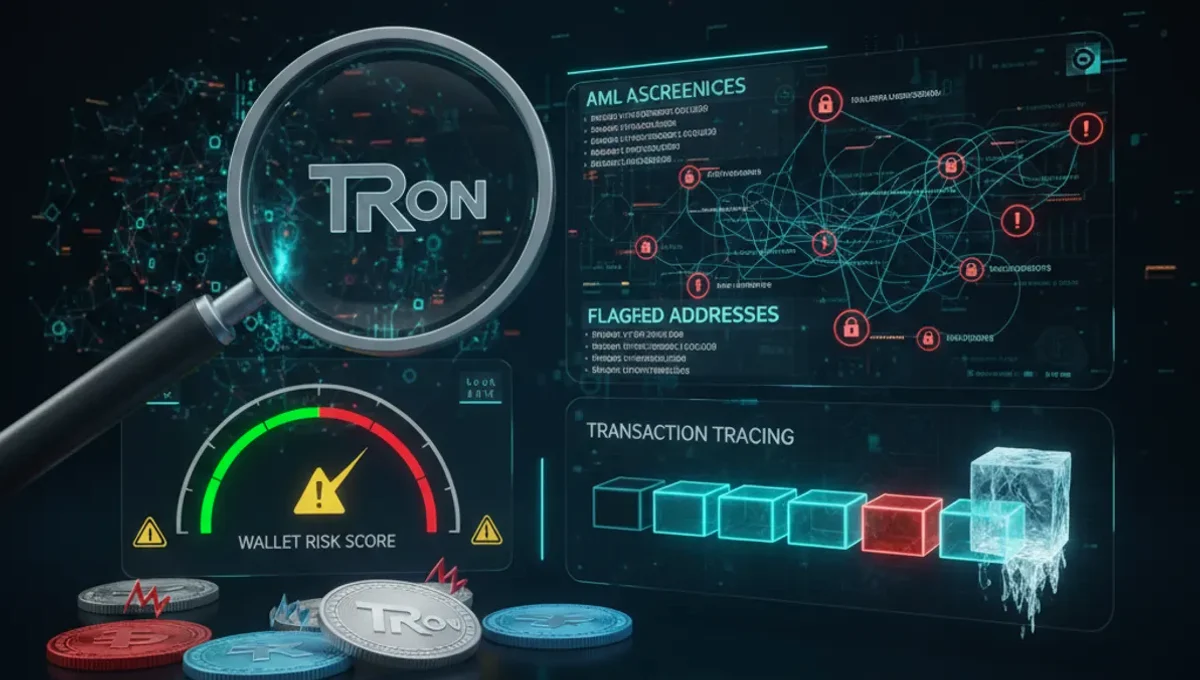
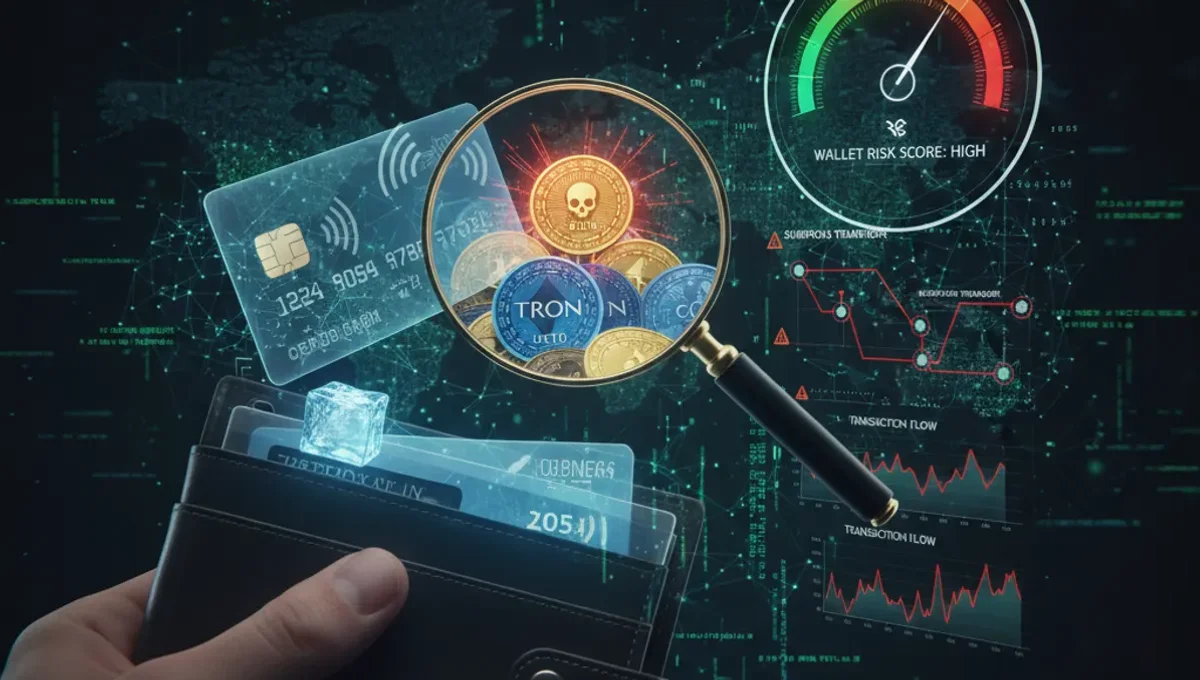
Before sending crypto to an exchange for cash withdrawal, screen your wallet to avoid frozen funds. Risk scoring systems rate wallets on a scale; low-risk wallets have clean transaction histories with no links to theft, sanctions, or illicit markets. Medium-risk wallets may have received coins from gambling or unverified sources but show no direct darknet exposure. High-risk wallets contain coins from mixers, stolen funds, or sanctioned entities—these are likely to trigger exchange freezes. Most exchanges accept low-risk wallets without delay. Medium-risk wallets may pass but invite scrutiny. High-risk wallets are often rejected outright. To check your wallet before withdrawal: use a blockchain analytics tool to scan your address, review the transaction history for red flags (sudden large transfers, multiple hops through mixers), and assess whether any coins came from known scams or darknet markets. Our AML Services page lists trusted screening providers that can give you a detailed risk report. This step takes minutes and can save you from a frozen account or delayed withdrawal.
How Exchanges Freeze Accounts and Prevent Cash Withdrawal
Exchanges freeze accounts when AML transaction monitoring flags suspicious activity or tainted coins. If your wallet receives funds from a mixer, ransomware payment, or sanctioned entity, the exchange's compliance team may place a hold on your account pending investigation. During a freeze, you cannot withdraw cash, and sometimes cannot even move your crypto off the exchange. Freezes can last days, weeks, or indefinitely if the exchange suspects money laundering or sanctions violations. Frozen USDT and other stablecoins are particularly common targets for freezes because they are easy to track on-chain and often used in compliance screening. To avoid this:
- only receive crypto from known, trusted sources,
- avoid using mixers or privacy coins if you plan to convert to fiat,
- keep your transaction history clean, and
- screen incoming wallets before accepting large transfers. If you receive a payment from an unknown source, check the sender's wallet address using AML tools before accepting it. This proactive approach reduces the risk of inheriting tainted coins and triggering an exchange freeze when you try to withdraw cash.
Frequently asked questions
Can I withdraw cash directly from a crypto mobile wallet?
No. Crypto wallets hold only digital assets on blockchains; they have no connection to banking systems. To convert crypto to cash, you must transfer your coins to an exchange or payment service that offers fiat withdrawal. This requires identity verification and AML screening, which can take hours to days.
What is the difference between a custodial and non-custodial mobile wallet?
A custodial wallet is operated by a company that holds your private keys and can offer cash withdrawal because it is a regulated financial intermediary. A non-custodial wallet gives you full control of your keys but no direct fiat access. You must move coins to an exchange to convert to cash.
Why do exchanges freeze accounts when I try to withdraw cash?
Exchanges freeze accounts if AML screening detects tainted coins, sanctions violations, or suspicious transaction patterns. Frozen USDT and other assets are held pending compliance review. To avoid freezes, screen your wallet for high-risk sources before attempting withdrawal.
How much do crypto wallet fees cost for cash withdrawal?
Fees vary. Blockchain network fees range from a few dollars to hundreds depending on congestion. Exchange conversion fees are typically 0.1% to 2%. Bank withdrawal fees add another 1% to 5%. Custodial wallets may bundle these or charge flat rates. Check your exchange's fee schedule before withdrawing.
What should I check before sending crypto to an exchange for cash withdrawal?
Screen your wallet address using AML tools to assess risk score and transaction history. Look for links to mixers, darknet markets, stolen funds, or sanctions violations. Low-risk wallets withdraw smoothly; high-risk wallets trigger freezes. Use verified AML screening services to check before sending.