What Does Crypto Wallet No Fees Mean?
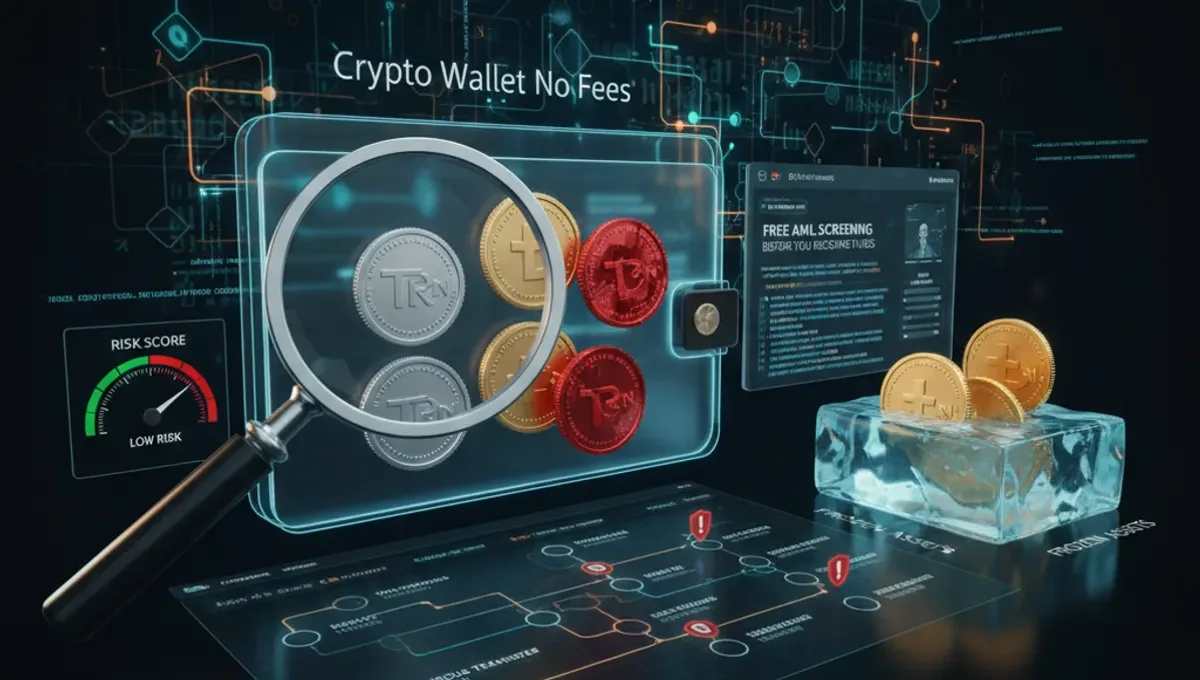
A crypto wallet with no fees refers to a wallet that doesn't charge you to store, send, or receive cryptocurrency. Most self-custody wallets (like hardware wallets or open-source software wallets) have zero holding fees. However, blockchain network fees still apply when you move coins on-chain—those are paid to miners or validators, not the wallet provider. Some exchange wallets advertise no fees for deposits but charge withdrawal fees. The distinction matters: a truly fee-free wallet lets you hold and receive without paying the provider, though you'll still pay network gas fees when transacting. Understanding this difference helps you choose a wallet that fits your budget and compliance needs.
Why Wallet Fees Exist and How to Compare Crypto Wallet Fees
Wallet providers charge fees to cover infrastructure, security, and customer support. Centralized exchange wallets often charge withdrawal fees to offset blockchain costs and manage liquidity. Self-custody wallets typically have no holding fees because you control the private keys directly. When comparing crypto wallet fees, look at deposit fees, withdrawal fees, trading fees (if applicable), and custody fees. Some wallets charge a percentage of transactions; others use flat rates. Comparing crypto wallet lowest fees means weighing not just the fee structure but also security features and AML screening capabilities. A wallet with slightly higher fees but built-in risk scoring may protect you better than a no-fee wallet that doesn't screen for tainted coins. Always factor in the cost of potential account freezes or compliance issues when choosing.
What Is a Crypto Wallet and How Does AML Screening Work?
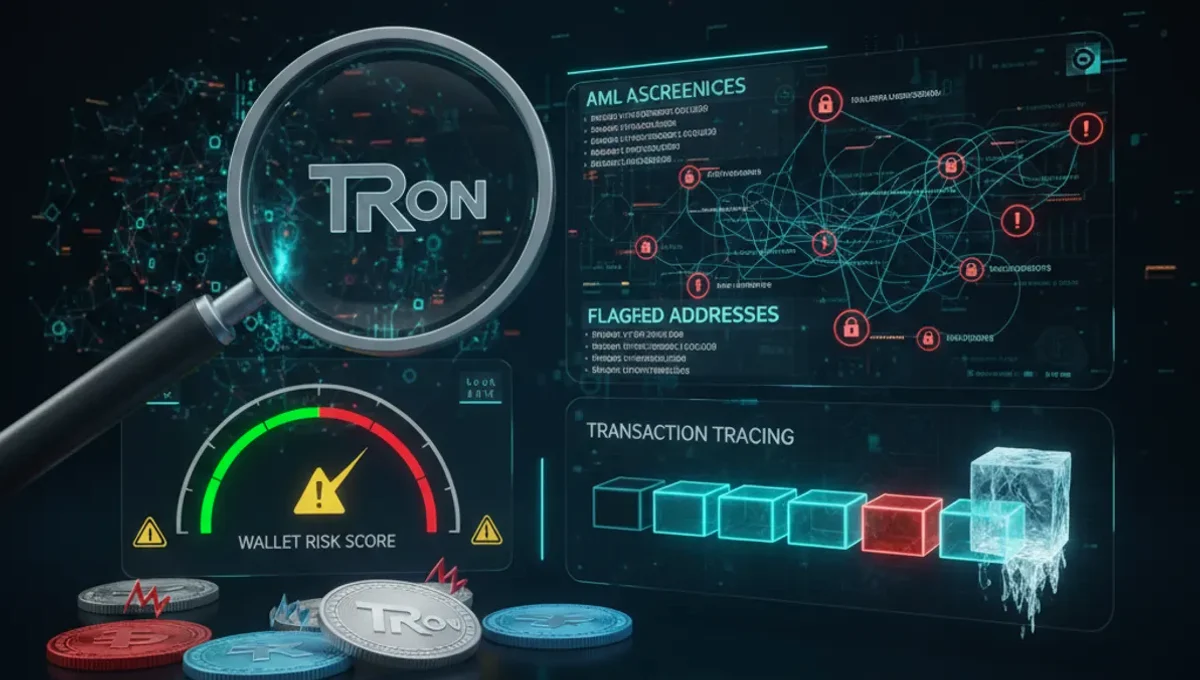
A crypto wallet is software or hardware that stores your private keys and allows you to send and receive cryptocurrency. Each wallet has a public address (like a bank account number) and a private key (like a password). When you receive funds, they arrive at your public address on the blockchain. AML (Anti-Money Laundering) screening checks whether incoming funds come from high-risk sources: mixers, darknet markets, scams, stolen funds, or sanctioned entities. Free AML checks assign a risk score to a wallet address based on its transaction history. A crypto wallet explained in compliance terms is a tool that must be monitored for tainted coins—coins that have been flagged by blockchain analytics firms as originating from illicit activity. Understanding this connection between wallet function and AML risk helps you make informed decisions before accepting large transfers.
How to Check a Wallet Before Receiving USDT or BTC
Before accepting a large transfer, follow these steps to screen the sending wallet for tainted coins:
- Ask the sender for their wallet address (the public key, not the private key).
- Visit a free AML screening service from our curated list of verified AML services on this site.
- Enter the wallet address and select the blockchain (Tron for USDT-TRC20, Ethereum for USDT-ERC20, Bitcoin for BTC).
- Review the risk score and transaction history. Look for red flags: mixer usage, darknet market connections, recent large movements from sanctioned entities.
- Check the crypto wallet number (transaction count) and age. New wallets with few transactions are lower risk than wallets with extensive mixing activity.
- If the risk score is low (typically green or under 30%), the coins are likely clean. If the score is high (red or above 70%), ask the sender for clarification or decline the transfer.
- Document the screening result in case your exchange later questions the deposit.
Understanding Risk Scores and Acceptable Thresholds
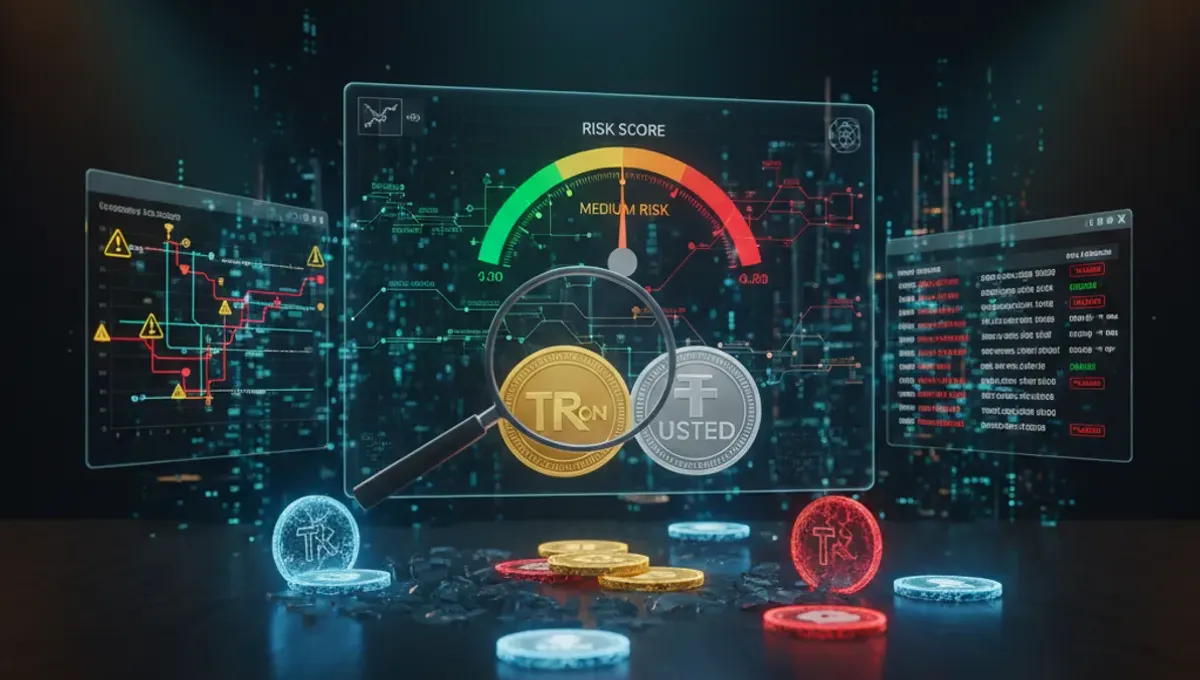
A risk score is a numerical rating (usually 0–100) assigned by blockchain analytics firms based on a wallet's transaction history. Scores below 30 are generally considered low-risk and acceptable for most exchanges. Scores between 30 and 70 are medium-risk and warrant investigation—check whether the wallet has legitimate explanations for its activity. Scores above 70 are high-risk and often flagged by exchanges; receiving these coins can trigger account freezes or mandatory reporting. Different exchanges set different thresholds, but most freeze accounts that receive USDT or BTC from wallets scoring above 80. A crypto wallet example of low-risk activity includes a wallet that receives funds directly from a regulated exchange and holds them without mixing. A high-risk example is a wallet that receives coins from a mixer, then sends them to a darknet market address. Always check the specific risk categories flagged (sanctions, mixer, stolen funds) rather than relying on the score alone.
Free vs. Paid AML Checks: What You Get
Free AML checks provide basic risk scoring and transaction history for a single wallet lookup. They're sufficient for most users checking incoming transfers before deposit. Paid AML services offer batch screening, real-time monitoring, detailed compliance reports, and API access for businesses. For individual users, free screening is usually enough—you can check a wallet address in seconds without paying. However, free services often have lookup limits (e.g., 5–10 checks per day) and may not provide detailed forensic analysis. If you're receiving frequent transfers or managing large amounts, paid services offer better protection and documentation for compliance audits. Our site maintains a curated list of verified AML services that offer both free and paid tiers, so you can start with free screening and upgrade if needed. The key is to screen every significant incoming transfer, whether you use a free or paid service.
What to Do If You Receive Flagged or Tainted Coins
If you receive crypto flagged as tainted (high AML risk score), take these steps:
- Do not move the coins immediately. Moving them may trigger exchange alerts or compliance holds.
- Contact your exchange's compliance team and disclose the source. Explain that you received the coins unknowingly and provide the sender's wallet address and your AML screening result.
- Request clarification on whether the coins are frozen or if you can withdraw them.
- If your account is frozen, work with the exchange to resolve it. Provide documentation of your AML check and any communication with the sender.
- Consider reporting the sender to the exchange if you suspect fraud or theft.
- In future transactions, always screen wallets before accepting large transfers.
Receiving tainted coins doesn't automatically make you liable, but exchanges are required to report suspicious activity. Proactive screening and transparency with your exchange are your best defenses against account freezes and compliance issues.
Frequently asked questions
Are there really crypto wallets with no fees at all?
Self-custody wallets like hardware wallets and open-source software wallets charge no holding or receiving fees. However, blockchain network fees (gas) still apply when you move coins on-chain. Exchange wallets may advertise no fees for deposits but charge withdrawal fees. True zero-fee wallets exist, but you'll always pay network costs for on-chain transactions.
Can I use a free AML check before receiving USDT?
Yes. Free AML screening services let you check a wallet address and receive a risk score before accepting USDT or any cryptocurrency. Most free services allow several lookups per day. Enter the sender's wallet address, review the risk score and transaction history, and decline the transfer if the score is too high. Free screening is sufficient for most users.
What crypto wallet number should I look for when checking risk?
Crypto wallet number refers to the total transaction count on a wallet. Wallets with fewer transactions (under 10–20) are generally lower-risk, while wallets with hundreds of transactions may indicate mixing or frequent trading. However, transaction count alone doesn't determine risk—check the actual transaction history and sources, not just the number.
What happens if I receive coins from a wallet with a high AML risk score?
Receiving high-risk coins can trigger exchange account freezes or compliance holds. Your exchange may require you to explain the source or may restrict withdrawals pending investigation. Proactively screening wallets before accepting transfers helps you avoid this. If you do receive flagged coins, contact your exchange's compliance team immediately and provide your AML screening documentation.
How is a crypto wallet explained in terms of AML compliance?
A crypto wallet is a tool that holds and transfers cryptocurrency, but in compliance terms, it's a potential vector for receiving tainted coins or stolen funds. Each wallet address has a transaction history that can be screened for illicit activity, sanctions exposure, or darknet connections. Understanding this dual nature—wallet as storage tool and compliance risk—helps you make safer receiving decisions.