How Physical Credit Card Scanning Works
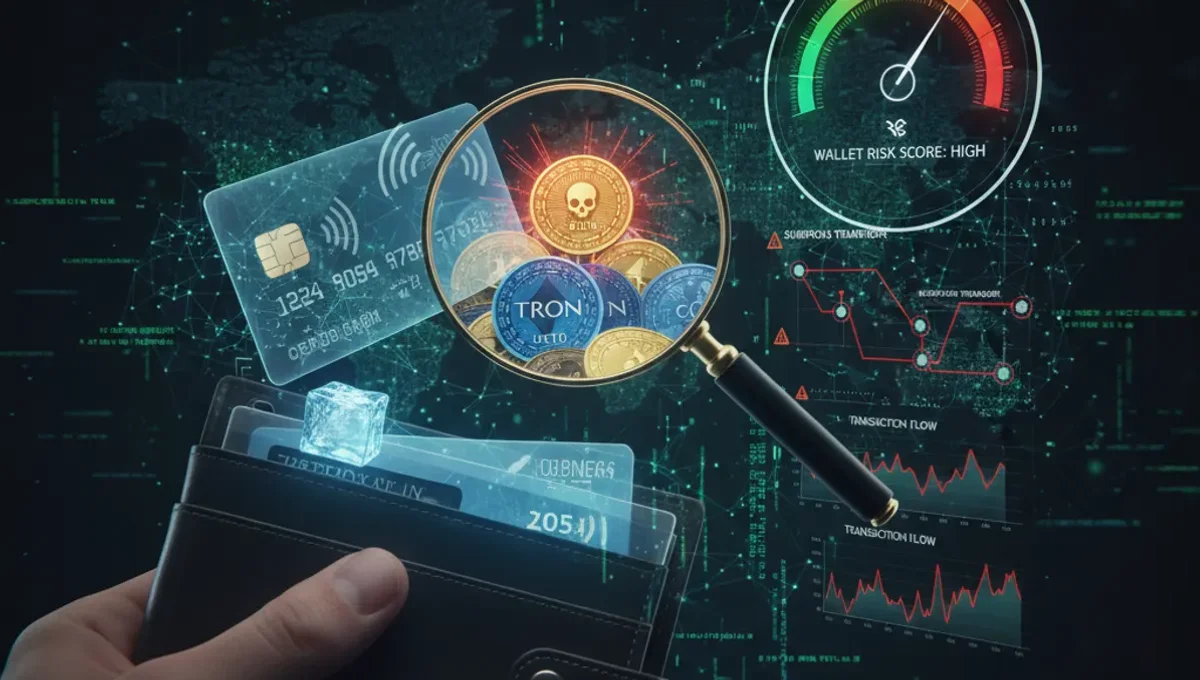
Credit card data transmission requires either physical contact (chip readers, magnetic stripe readers) or close-range radio frequency identification (RFID) technology. Modern credit cards use encryption and tokenization to protect sensitive information during legitimate transactions. A card sitting in your wallet cannot be read remotely by someone walking past you. The myth of "skimming" wallets persists, but it requires either a specialized device held very close to the card or a compromised point-of-sale terminal. Your physical wallet itself provides no security against digital fraud—the protection comes from the card issuer's fraud detection systems and your monitoring of statements.
What Is a Crypto Wallet and How It Differs
A crypto wallet is not a physical object holding coins; it is software or hardware that manages your private keys and public addresses on a blockchain. Your Bitcoin, Tron (TRX), Ethereum, or USDT exist as entries on a distributed ledger, not in a wallet you can touch. A crypto wallet example might be a mobile app like Trust Wallet or a hardware device like a Ledger, which stores the cryptographic keys needed to sign transactions and prove ownership. Unlike a credit card, a crypto wallet cannot be "scanned" by proximity—access requires either your private key, seed phrase, or authentication credentials. The real security risk is not physical scanning but digital theft through phishing, malware, or weak password management.
Crypto Wallet Security and Tainted Coin Risk
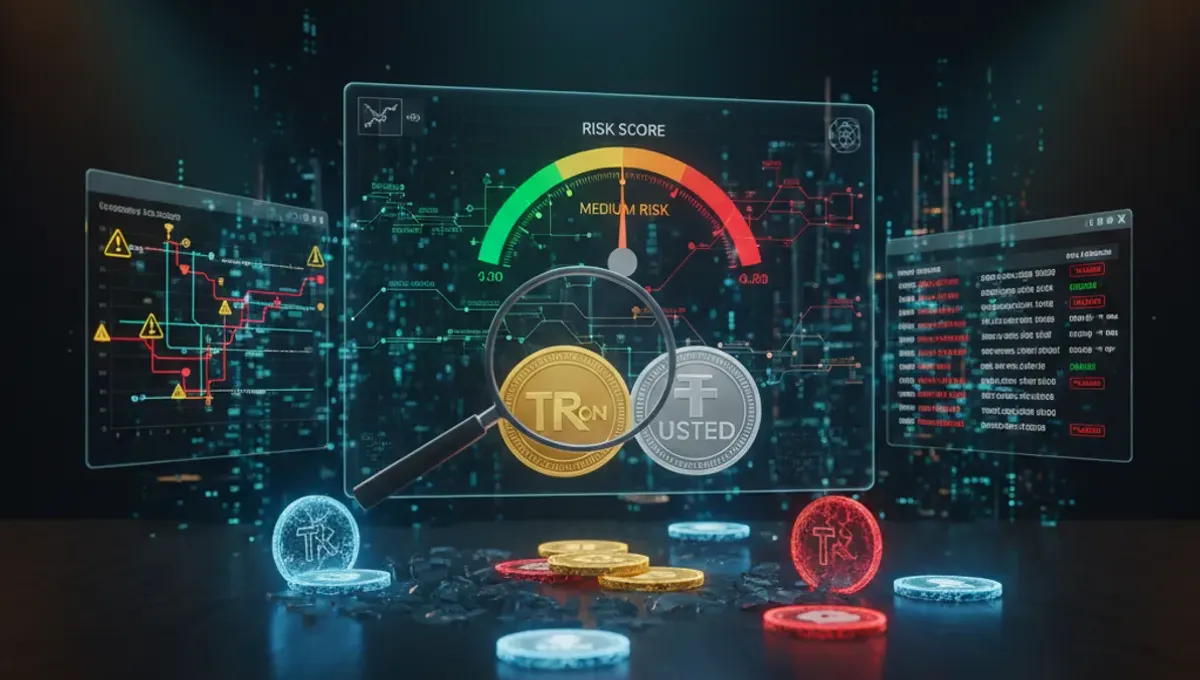
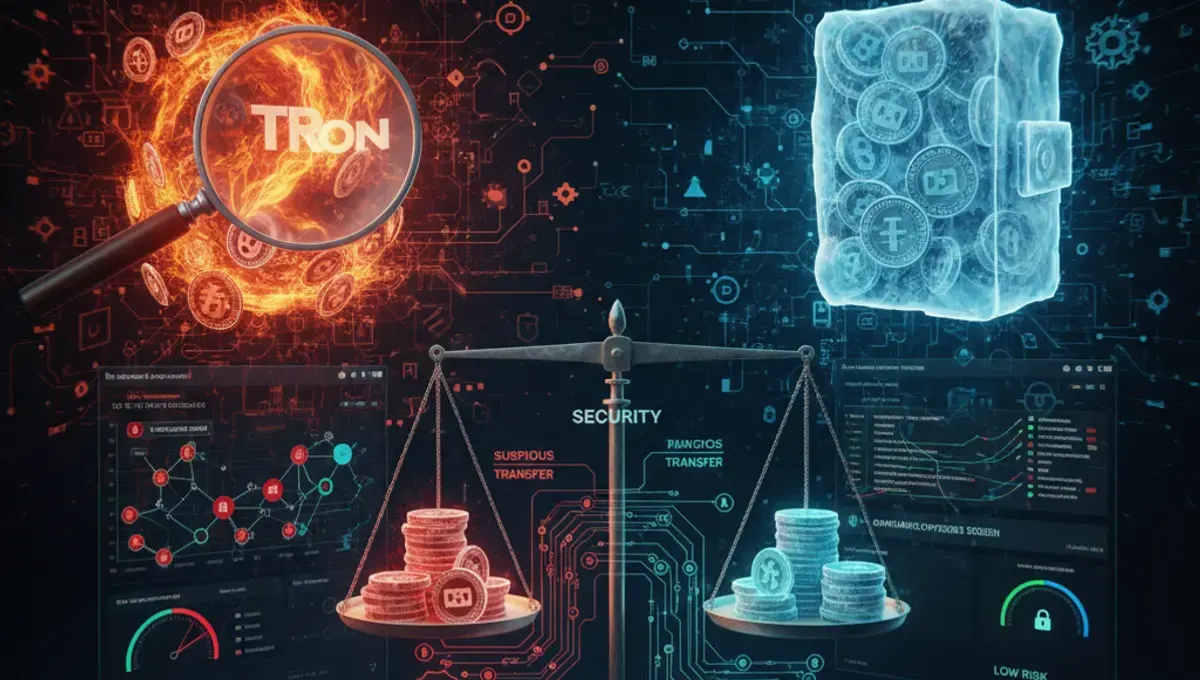
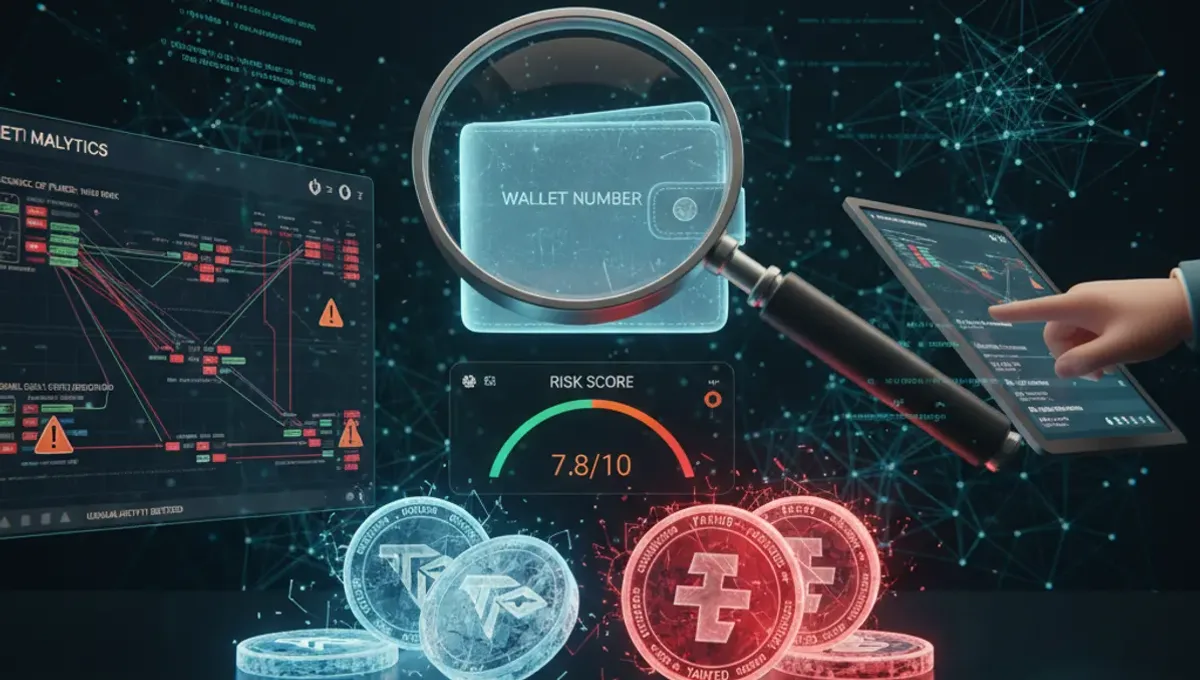
When you receive cryptocurrency, the coins themselves carry a history on the blockchain. Tainted coins are funds that have been flagged as high-risk because they originated from darknet markets, ransomware payments, stolen funds, sanctioned entities, or mixing services. Receiving tainted coins does not directly compromise your wallet security, but it can expose you to regulatory scrutiny, exchange account freezes, or transaction rejection. This is why checking the source of incoming funds matters. Before accepting a large transfer, you should verify the sending address for risk indicators. Services that perform AML checks on crypto wallets scan the transaction history and counterparty risk of an address, not the wallet itself. A crypto wallet ranking or comparison should include how easily it integrates with compliance tools and whether it warns users about high-risk incoming transfers.
Understanding Crypto Wallet Fees and Risk Scoring
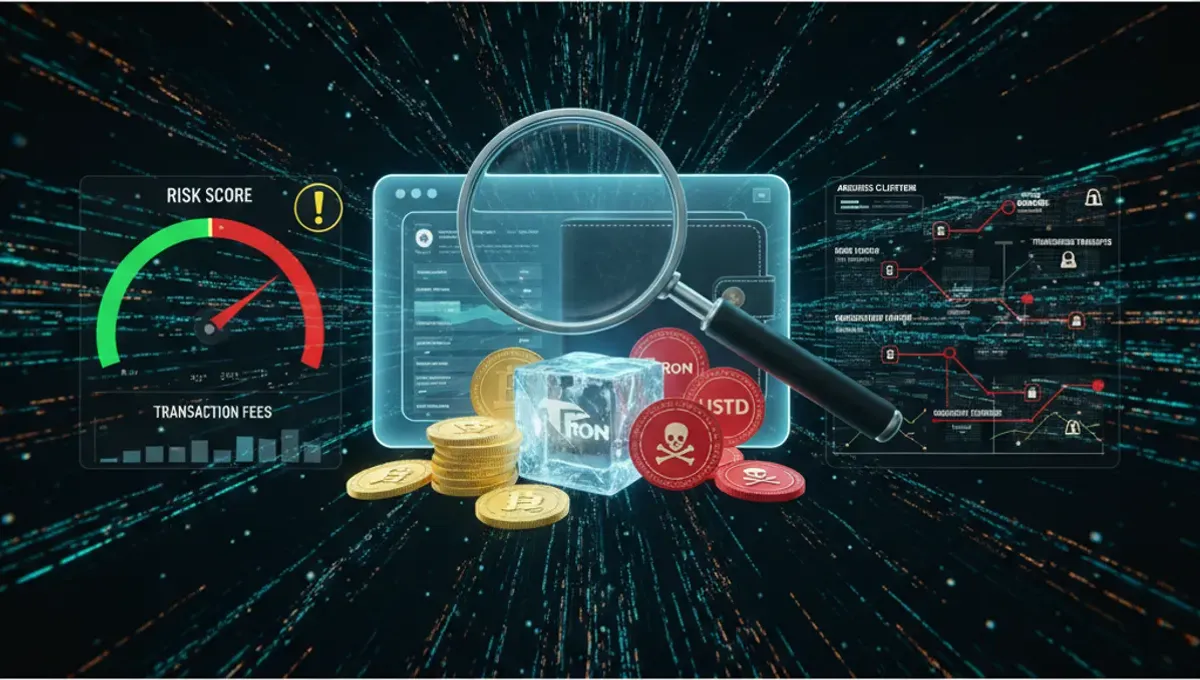
Crypto wallet fees vary by platform and transaction type. On-chain transaction fees (network fees) are paid to miners or validators and depend on network congestion. Wallet providers may charge additional fees for services like staking, swaps, or custodial management. Some wallets are free to use but monetize through premium features. When evaluating a wallet, consider not only fees but also its risk assessment capabilities. A crypto wallet explained in security terms should include how it handles incoming transactions flagged as dirty or high-risk. Risk scores assigned to addresses range from low (established exchanges, known legitimate entities) to high (recent darknet activity, mixing service outputs, sanctioned counterparties). Understanding these scores helps you decide whether to accept or reject an incoming transfer. A crypto wallet number or address itself is neutral—the risk lies in the transaction history and sources connected to it.
How to Check a Wallet Before Receiving Funds
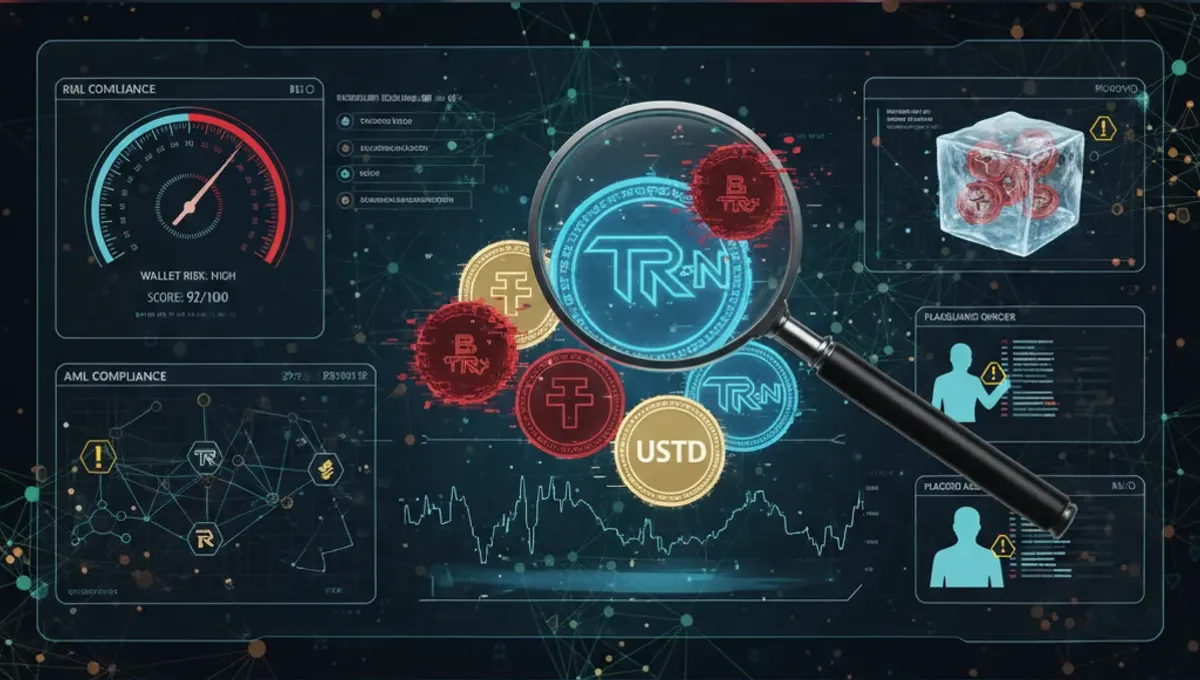
Before accepting a cryptocurrency transfer, follow these steps: First, ask the sender for their wallet address and verify it matches what they claim to send from. Second, use a blockchain analytics or AML check service to scan the sending address for risk indicators. Third, review the risk score and any flagged activity such as mixer usage, darknet exposure, or sanctions list matches. Fourth, check whether the funds have been frozen on major exchanges or flagged by compliance systems. If the risk score is high or the address shows recent darknet or mixing activity, you can decline the transfer or request clarification from the sender. Our curated list of verified AML services on this site provides trusted tools for wallet screening—starting there ensures you use established, reliable checkers rather than unverified services. After receiving funds, monitor your exchange account for any compliance holds or warnings.
What Happens When Tainted Coins Are Detected
If you receive or hold tainted coins, several outcomes are possible depending on where you try to use them. Exchanges perform their own AML checks and may freeze your account or reject deposits containing flagged funds. Regulatory authorities in some jurisdictions may investigate the source of the funds. Your ability to move or spend the coins is not technically blocked on the blockchain—the restriction comes from centralized services (exchanges, payment processors) that refuse to process them. This is why KYT (Know Your Transaction) and KYC (Know Your Customer) compliance matter: exchanges and custodians screen incoming and outgoing funds to avoid facilitating money laundering or sanctions violations. If your coins are flagged, you may need to provide documentation proving the legitimate source of the funds or accept that they cannot be converted to fiat currency through regulated channels. Proactively checking wallet risk before receiving funds is the best defense.
Best Practices for Wallet Security and Compliance
Protect your crypto wallet by using strong, unique passwords, enabling two-factor authentication, and storing seed phrases offline in a secure location. Never share your private key or seed phrase with anyone. When receiving funds, always verify the sender's identity through a separate communication channel before providing your address. Use hardware wallets for large holdings to reduce exposure to online threats. Regularly check your wallet activity for unauthorized transactions or suspicious incoming transfers. Before accepting any significant transfer, run an AML check on the sending address to confirm it is not flagged as high-risk. If you operate a business or exchange, implement transaction monitoring and maintain audit trails. Familiarize yourself with local regulations regarding cryptocurrency holdings and reporting requirements. Our verified AML services list provides tools to integrate wallet screening into your routine, making compliance checks a normal part of receiving funds rather than an afterthought.
Frequently asked questions
Can someone scan a credit card through a wallet with RFID technology
RFID skimming is theoretically possible but rare in practice. Modern credit cards use encryption and fraud detection to prevent unauthorized charges. Your wallet provides no RFID shielding by default, but the card issuer's systems will flag suspicious transactions. For crypto wallets, RFID is irrelevant—they exist as software or hardware keys, not physical cards.
What is a crypto wallet number and how does it relate to security
A crypto wallet number typically refers to your public address, a long alphanumeric string that identifies your account on the blockchain. It is safe to share publicly. Your private key or seed phrase is what must remain secret. The address itself does not determine security; your key management practices do. Always verify incoming transfers by checking the sender's address history for risk flags.
How do I know if coins in my wallet are tainted or dirty
Use an AML check service to scan your wallet address or the sending address of incoming funds. The service will flag activity linked to darknet markets, mixers, ransomware, or sanctioned entities. A high risk score indicates tainted coins. Our verified AML services list provides trusted tools for this screening. Exchanges will also reject deposits flagged as high-risk during their compliance checks.
What crypto wallet fees should I expect and do they affect security
Fees vary by wallet type and network. On-chain transaction fees depend on network congestion. Custodial wallets may charge service fees. Fee structure does not directly impact security, but wallets with better compliance features may charge more. Prioritize wallets that offer risk scoring and AML integration alongside reasonable fees.
How do I choose a crypto wallet based on ranking and features
Evaluate wallets by security features (hardware support, multi-sig), ease of use, supported assets, and compliance tools. A good crypto wallet ranking should include whether it screens incoming transfers for tainted coins and integrates with AML services. Check reviews from security audits and user feedback. Start with established wallets that have undergone third-party security reviews.