What Is an AML Crypto Check and Why Does It Matter?
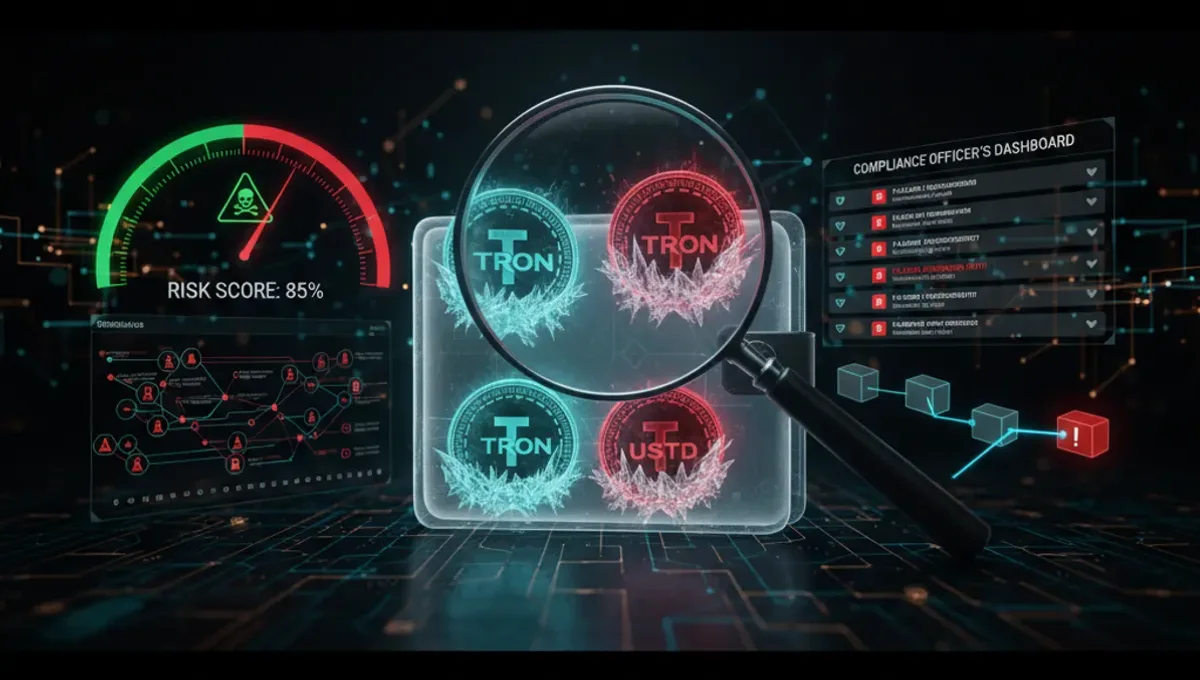
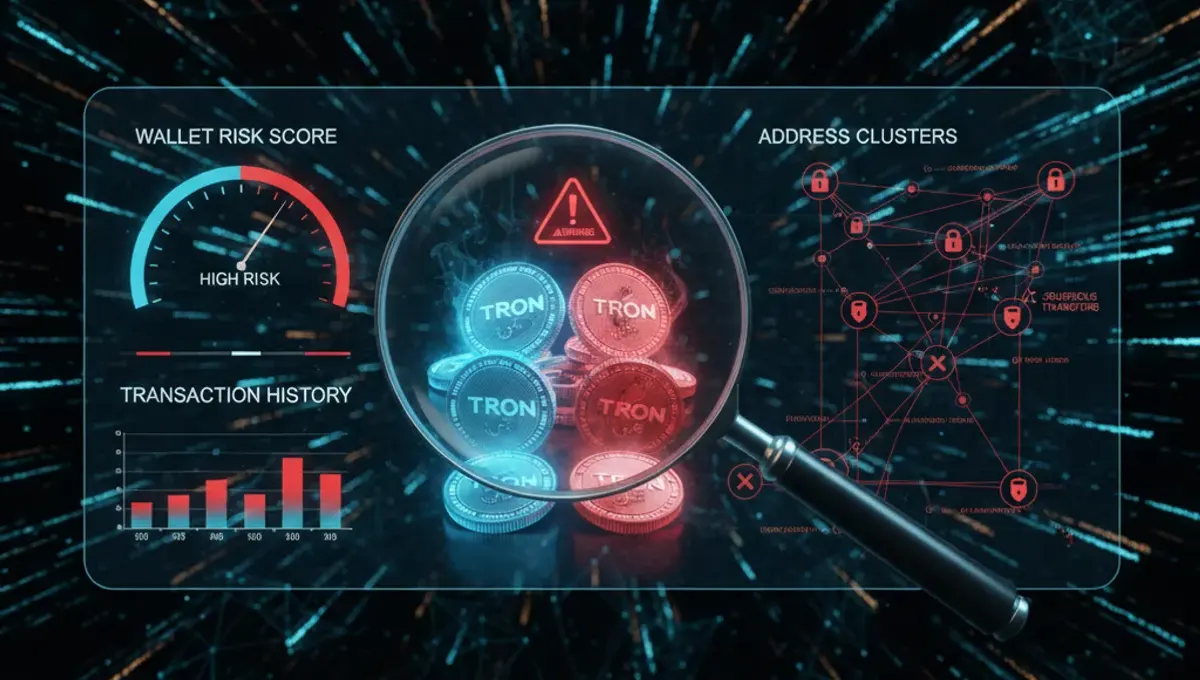
An AML (Anti-Money Laundering) crypto check screens a blockchain wallet address against known risk indicators: mixer exposure, darknet market transactions, stolen funds, sanctioned entity connections, and gambling platform links. The check produces a risk score—typically a percentage or rating—that reflects the likelihood the coins are tainted. Exchanges, custodians, and institutional buyers increasingly require AML screening before accepting deposits. A high-risk wallet can trigger account freezes, transaction blocks, or mandatory compliance reviews. Even retail users benefit: receiving coins flagged as dirty can make your own wallet high-risk, complicating future transfers or sales. An AML crypto check takes seconds and costs nothing on most platforms, making it a practical first step before any significant transaction.
How Does AML Crypto Wallet Screening Work?
AML crypto wallet checks use blockchain analytics to trace transaction history. The process works in stages: First, the tool maps all incoming and outgoing transactions from the target address. Second, it cross-references those transactions against known risk databases—lists of sanctioned entities, known darknet markets, mixer services, and scam addresses. Third, it calculates a risk score based on the number and severity of risky connections. For example, if a wallet received funds directly from a mixer, the risk score rises. If those mixed funds later moved to a gambling platform, the score rises further. The analytics engine also flags whether the wallet has interacted with frozen USDT addresses or sanctioned counterparties. The result is a single risk rating that tells you whether the coins are clean or carry compliance baggage. Most AML checks cover Bitcoin, Ethereum, Tron (TRX/USDT), and other major blockchains.
How to Perform an AML Crypto Check: Step-by-Step
Follow these steps to check any wallet for tainted coins and compliance risk:
- Copy the wallet address you want to screen (Bitcoin, Ethereum, Tron, or other supported chain).
- Visit a trusted AML check service—our curated list of verified AML services on this site includes the most reliable options for wallet screening.
- Paste the address into the search field and click "Check" or "Scan."
- Wait for the analysis to complete (usually 5–30 seconds).
- Review the risk score and detailed report, which typically shows transaction history, flagged counterparties, and risk categories.
- If the score is low (green), the coins are generally safe to receive or hold. If the score is high (red), investigate further before accepting the transfer.
- For USDT or TRX addresses, pay special attention to whether the coins have been frozen or linked to exchange bans.
Most AML checks are free for single lookups; some services offer bulk scanning or API access for a fee.
Understanding AML Risk Scores and Thresholds
AML risk scores typically range from 0% (clean) to 100% (high-risk). Here's how to interpret them:
0–20%: Low risk. Coins show minimal or no connection to illicit activity. Safe to receive and transfer.
21–50%: Medium risk. Coins may have passed through mixers or unidentified addresses, but no direct darknet or sanctions exposure. Acceptable for most use cases, though some exchanges may flag them.
51–80%: High risk. Clear exposure to mixers, gambling, or suspicious counterparties. Many exchanges will freeze or reject these coins. Proceed with caution.
81–100%: Very high risk. Direct links to darknet markets, sanctioned entities, stolen funds, or known scams. Expect account freezes and regulatory scrutiny. Do not accept these coins.
Thresholds vary by jurisdiction and institution. Some exchanges accept anything below 30%; others are stricter. Before receiving a large transfer, confirm the receiving exchange's AML policy. If you're unsure, check the wallet through a trusted AML service first.
What Happens If Your Crypto Is Flagged as Dirty?
If an AML check reveals your coins are tainted, several outcomes are possible. First, exchanges may freeze your account or block deposits of those coins. Second, if you've already deposited them, the exchange may hold the funds pending compliance review, which can take weeks. Third, you may be required to provide proof of the coin's origin—a receipt, invoice, or transaction record—to unlock the funds. If you cannot prove the coins are legitimate, the exchange may permanently reject them or report the transaction to financial authorities. For USDT on Tron or Ethereum, frozen coins may become permanently inaccessible if the issuer (Tether) blocks them at the protocol level. To avoid this, always check a wallet's AML status before accepting a transfer. If you receive flagged coins by mistake, contact the sender immediately and request a refund from a clean address. Do not attempt to mix or launder the coins; that compounds the problem and may trigger legal consequences.
Free AML Crypto Check vs. Paid Services: What's the Difference?
Free AML crypto checks offer basic wallet screening: risk score, transaction history, and flagged counterparties. They're sufficient for single lookups and personal use. Paid AML services add features like bulk address scanning, API access for automated monitoring, detailed compliance reports, and priority support. Institutions and businesses typically use paid services for continuous transaction monitoring and regulatory reporting. For individual users checking a wallet before receiving funds, a free AML check is usually enough. Our site maintains a curated list of verified AML services—both free and paid—that you can trust for accurate screening. Start there to find the right tool for your needs. Avoid unverified or unknown services, as they may provide inaccurate data or expose your wallet address to third parties.
Best Practices: Avoiding Tainted Coins and High-Risk Transactions
To protect yourself from dirty crypto and compliance problems, follow these practices:
- Always run an AML crypto check on wallet addresses before accepting transfers, especially for large amounts.
- Request invoices or proof of origin from the sender if the wallet shows medium or high risk.
- Use exchanges and custodians that perform their own AML screening on deposits.
- Avoid receiving coins from unknown or suspicious sources, even if offered at a discount.
- Do not use mixers or privacy coins if you plan to deposit into regulated exchanges later.
- Keep records of all transactions and their AML status for compliance purposes.
- If you receive flagged coins by mistake, contact the sender and request a refund immediately.
- For business use, implement continuous transaction monitoring through a trusted AML service.
These steps reduce the risk of frozen funds, account bans, and regulatory penalties. When in doubt, check the wallet first.
Frequently asked questions
Is AML crypto check free?
Yes, most AML crypto checks are free for single wallet lookups. You paste an address, get a risk score, and see transaction history at no cost. Paid services offer bulk scanning, API access, and detailed compliance reports for businesses. For personal use, free checks are sufficient.
Can I check a Tron address for AML risk?
Yes. Most AML services support Tron (TRX) and USDT-Tron addresses. Enter the TRX address into the search field, and the tool will scan for mixer exposure, darknet links, and sanctions connections. Tron addresses are checked the same way as Bitcoin or Ethereum addresses.
What does a high AML risk score mean for my wallet?
A high AML risk score (above 50%) means your coins have been linked to mixers, darknet markets, gambling, or suspicious counterparties. Exchanges may freeze your account or reject deposits. You should investigate the source and consider requesting a refund from a clean address.
How long does an AML crypto check take?
Most AML checks complete in 5–30 seconds. The tool scans the blockchain, cross-references risk databases, and calculates a score instantly. Results are displayed immediately, so you can make a decision about the transfer right away.
What if I already received tainted coins?
Contact the sender and request a refund from a clean address. If you've deposited them into an exchange, the exchange may freeze your account pending compliance review. Provide proof of the coin's origin if possible. Do not attempt to mix or launder the coins.