What Is the AML Check Process and Why It Matters
The AML check process evaluates whether a cryptocurrency wallet or address has been exposed to illicit activity or sanctioned entities. Exchanges, custodians, and compliance teams use this process to meet regulatory requirements under anti-money laundering (AML) and know-your-customer (KYC) frameworks. When you receive USDT, TRX, BTC, or ETH from an unknown source, that wallet may carry risk if it has previously interacted with darknet markets, ransomware operators, or frozen accounts. Running an AML check before accepting funds protects your own wallet from being flagged as tainted. If your received coins are later traced to illicit sources, your exchange account can be frozen, your funds seized, or your transactions blocked—even if you were unaware of the coins' origin.
How AML Scoring and Risk Levels Work
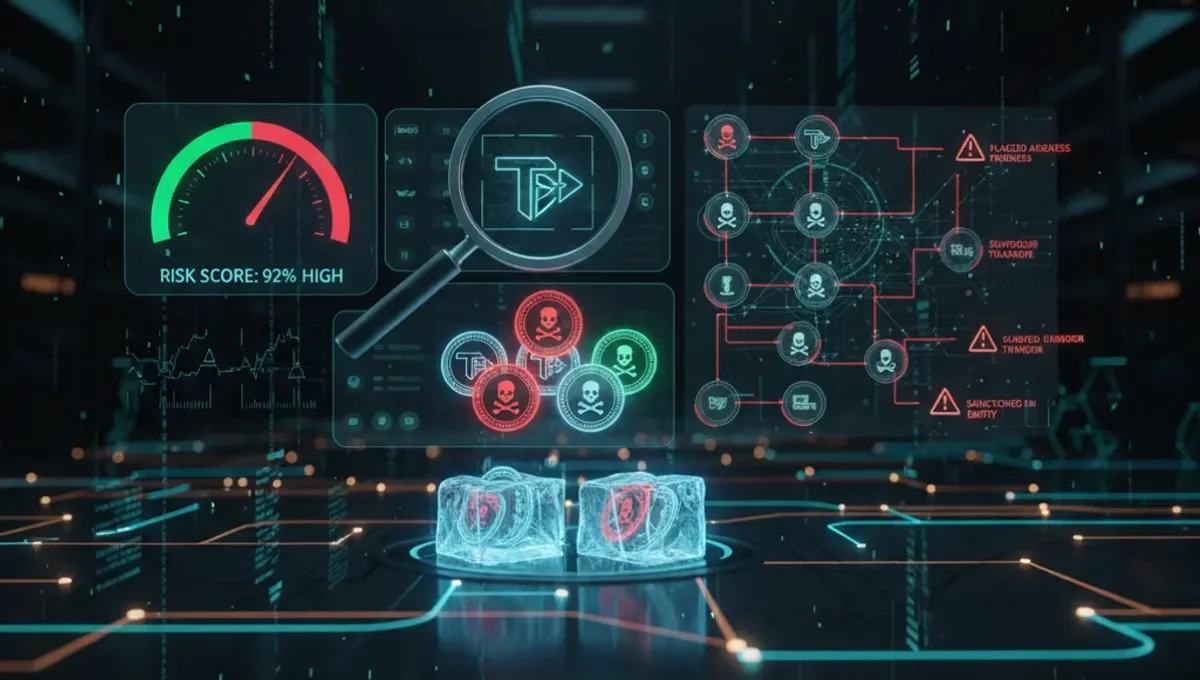
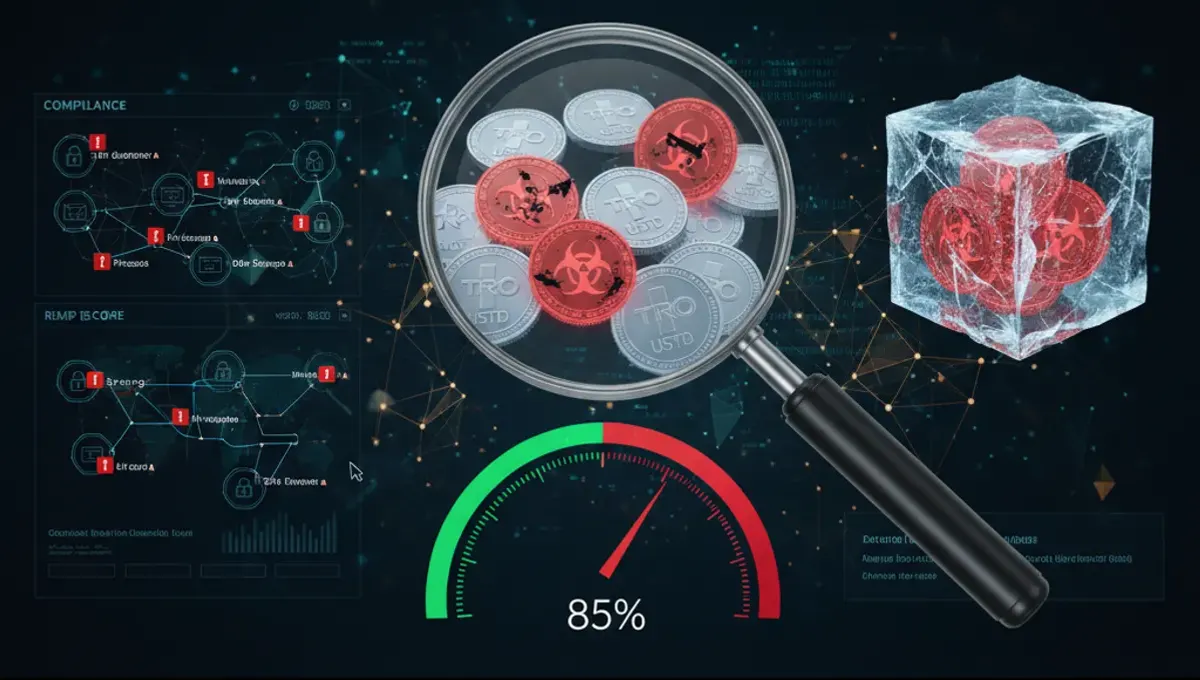
An AML check assigns a risk score to a wallet based on its transaction history and counterparties. Risk scores typically range from low (0–20%) to medium (21–50%) to high (51–100%), though scoring systems vary by service. A low-risk score means the wallet has clean transaction history with minimal exposure to suspicious activity. A medium-risk score indicates some exposure to higher-risk counterparties or transaction patterns but not necessarily illicit activity. A high-risk score flags direct or recent connections to known mixers, darknet addresses, scams, or sanctioned entities. The AML check process cross-references the wallet against public sanctions lists (such as OFAC lists), known darknet market addresses, and transaction patterns associated with theft or fraud. Each interaction is weighted; recent activity carries more weight than older transactions.
Step-by-Step: How to Check a Tron or Bitcoin Wallet
To perform an AML check on a Tron (TRX/USDT) or Bitcoin address, follow these steps:
- Collect the wallet address you want to screen (copy the full address, not a shortened version).
- Visit a trusted AML check service (our curated AML Services list includes verified providers).
- Paste the address into the search field and select the blockchain (Tron, Bitcoin, Ethereum, etc.).
- Review the risk score and summary: the service will display the wallet's overall risk level and key findings.
- Examine the transaction history: look for connections to mixers, darknet markets, or flagged counterparties.
- Check the sanctions match: confirm whether the wallet appears on any official sanctions lists.
- Decide whether to proceed: if the risk score is acceptable for your use case, proceed; if high-risk, decline the transaction or investigate further.
Most AML check services return results within seconds. Some services offer a free AML check for basic screening; others charge a small AML check fee per lookup or offer subscription plans for frequent users.
What Risk Score Levels Mean and When to Accept Them
Risk score interpretation depends on your context and risk tolerance. A low-risk score (0–20%) indicates minimal exposure to illicit activity and is safe for most transactions. A medium-risk score (21–50%) suggests the wallet has interacted with higher-risk entities or patterns but may not be directly involved in illicit activity; many businesses accept medium-risk wallets if the specific counterparties are known or the activity is explainable. A high-risk score (51–100%) signals direct or recent connections to known darknet markets, mixers, ransomware operators, or sanctioned entities; most exchanges and custodians reject high-risk wallets outright. AML check requirements vary by jurisdiction and institution. Regulated exchanges typically reject any wallet scoring above 50%; some accept up to 30%. If you receive coins from a high-risk wallet, your own account may be flagged during your next withdrawal or deposit, leading to account freezes or mandatory investigation.
Common Risk Categories Detected in AML Checks
The AML check process identifies several risk categories:
- Mixers: Services that combine and shuffle cryptocurrency to obscure transaction trails. Interaction with mixers is a major red flag.
- Darknet markets: Wallets connected to known darknet marketplaces for illegal goods or services.
- Ransomware and theft: Wallets that received funds from confirmed ransomware attacks or stolen funds.
- Scams and Ponzi schemes: Addresses associated with known fraud or investment scams.
- Sanctioned entities: Wallets linked to individuals, organizations, or countries under international sanctions (e.g., OFAC lists).
- Gambling and high-risk services: Some AML checks flag gambling platforms or unregulated exchanges as medium-risk.
- Stolen USDT and frozen accounts: Wallets that previously held frozen or clawed-back stablecoins.
Each category carries different weight in the final risk score. Mixer exposure and sanctioned entity matches typically result in the highest scores.
AML Check Requirements and Compliance Standards
AML check requirements are set by financial regulators and vary by jurisdiction. In the United States, the Financial Crimes Enforcement Network (FinCEN) requires exchanges and custodians to screen customers and transactions against sanctions lists and maintain transaction monitoring programs. The European Union's Fifth Anti-Money Laundering Directive (5AMLD) mandates similar screening for crypto service providers. Most regulated exchanges perform AML checks on all deposits and withdrawals; some also screen peer-to-peer transfers. An AML check crypto wallet screening typically includes: sanctions list matching, transaction history analysis, counterparty risk assessment, and pattern detection for suspicious behavior. Compliance teams use AML checks to generate audit trails and demonstrate due diligence. If you operate a crypto business or handle large transactions, running AML checks on incoming funds is both a legal requirement and a practical safeguard.
What to Do If Your Wallet Is Flagged as High-Risk
If an AML check flags your wallet as high-risk, take these steps:
- Review the specific findings: check which counterparties or transactions triggered the flag.
- Investigate your transaction history: if you received funds from an unknown source, trace where they came from.
- Document legitimate activity: if the flag is a false positive (e.g., you received funds from a legitimate but privacy-conscious sender), gather evidence.
- Contact the flagging service or exchange: explain the context and request a manual review if appropriate.
- Avoid using the flagged wallet for regulated exchanges: high-risk wallets are often rejected at deposit time.
- Consider moving funds to a new wallet: if the coins are tainted, moving them won't remove the taint, but starting fresh with clean sources is safer.
- Use trusted AML services for verification: our AML Services page lists verified providers that can help clarify findings and offer remediation advice.
If your exchange account is frozen due to high-risk activity, contact the exchange's compliance team immediately and provide documentation of the transaction's legitimate source.
Frequently asked questions
How much does an AML check cost?
AML check fees vary by service. Many providers offer a free AML check for basic wallet screening with limited detail. Paid services typically charge per lookup (ranging from a few dollars to tens of dollars) or offer monthly subscriptions for frequent users. Enterprise compliance platforms charge based on transaction volume or API usage. Check our AML Services page for current pricing.
Can I do a free AML check on a Tron wallet?
Yes, several AML check services offer free screening for Tron (TRX and USDT-Tron) addresses. Free checks usually provide a risk score and basic findings; premium reports include detailed transaction history and counterparty analysis. Visit our curated AML Services list to find free options and compare their coverage.
What does a high-risk AML check score mean for my exchange account?
A high-risk AML check score (typically above 50%) indicates the wallet has connections to mixers, darknet markets, sanctions entities, or stolen funds. Most exchanges will reject deposits from high-risk wallets or freeze your account pending investigation. You may be unable to withdraw funds until compliance reviews the transaction.
How long does an AML check take?
Most AML checks return results within seconds to a few minutes. Real-time screening uses pre-loaded databases of sanctions lists and known illicit addresses. Some services offer instant results; others may take up to 24 hours for detailed manual review if the wallet is flagged as high-risk.
Should I check every crypto wallet before receiving funds?
Yes, checking a wallet before receiving funds is a best practice. Even if you trust the sender, their wallet may have been compromised or may carry historical risk. Running an AML check takes seconds and protects your own account from receiving tainted coins that could trigger freezes or bans at your exchange.