What Is an Onchain Repo and Why AML Matters
An onchain repurchase (repo) agreement is a collateralized loan executed on a blockchain. The recent Virtu–Tradeweb settlement using Marshall Islands USDM1 bonds completed a full repo cycle in under 10 minutes on Canton Network. Speed is the selling point—but speed also means less time for traditional compliance checks.
In a typical repo: - Party A deposits digital collateral (e.g., USDM1 bond) into a smart contract - Party B receives the collateral and sends cash - After a set period, Party B returns the collateral and receives the funds back
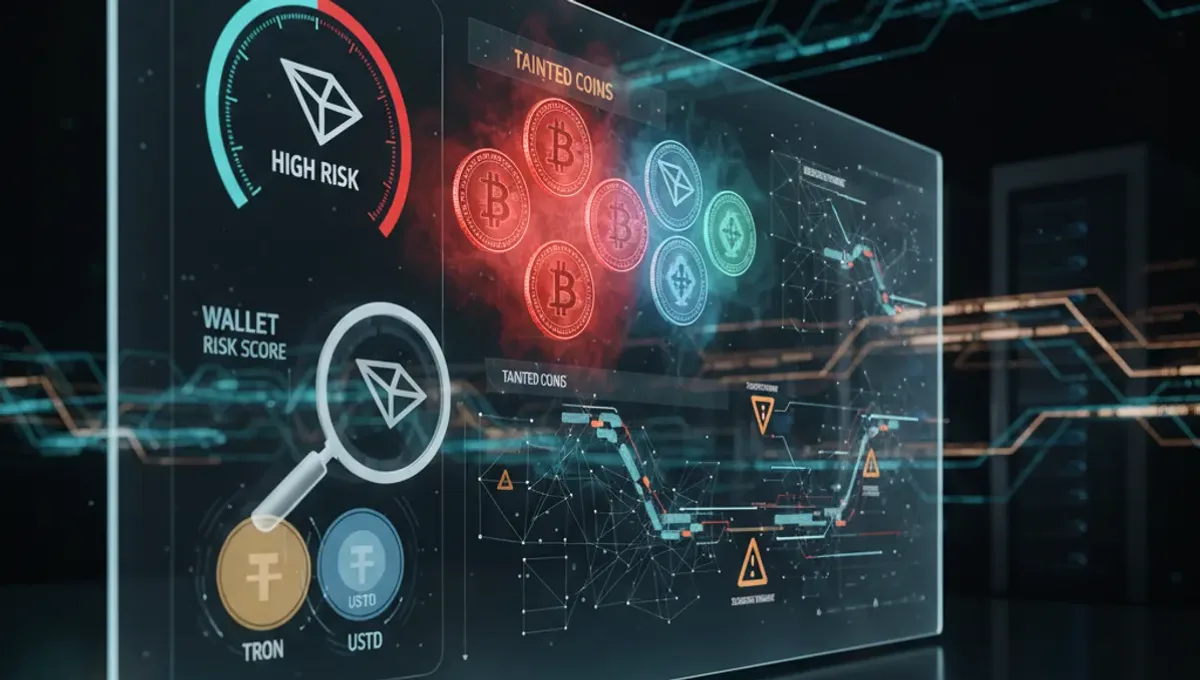
Each party's wallet must be screened for: - Tainted coins – funds from theft, mixers, or darknet sources - Sanctions exposure – entities on OFAC or EU blacklists - Counterparty risk – scams, frozen USDT history, previous compliance flags
Why You Need a Free AML Crypto Check Before Each Repo
Digital bond repos collapse time but expand compliance responsibility. You cannot rely on "the network is decentralized" as a legal defense. Regulators expect institutions and even retail participants to:
- Verify wallet history – Is the collateral clean? Was it stolen or laundered?
- Check transaction patterns – Does the wallet show signs of mixer activity or darknet trading?
- Screen counterparties – Is the other party's address linked to sanctioned jurisdictions?
- Document your due diligence – Auditors will ask: "How did you verify compliance before accepting the repo?"
A free AML crypto check takes 2–5 minutes and protects you from inadvertent participation in financial crime.
How to Run a Crypto Wallet AML Check Before Repo Settlement
Step 1: Identify All Wallet Addresses
Before the repo begins, obtain the blockchain addresses for: - Your counterparty's deposit wallet - Your counterparty's withdrawal wallet (may differ) - The smart contract address holding the collateral
Step 2: Check Tainted Coins and Risk Score
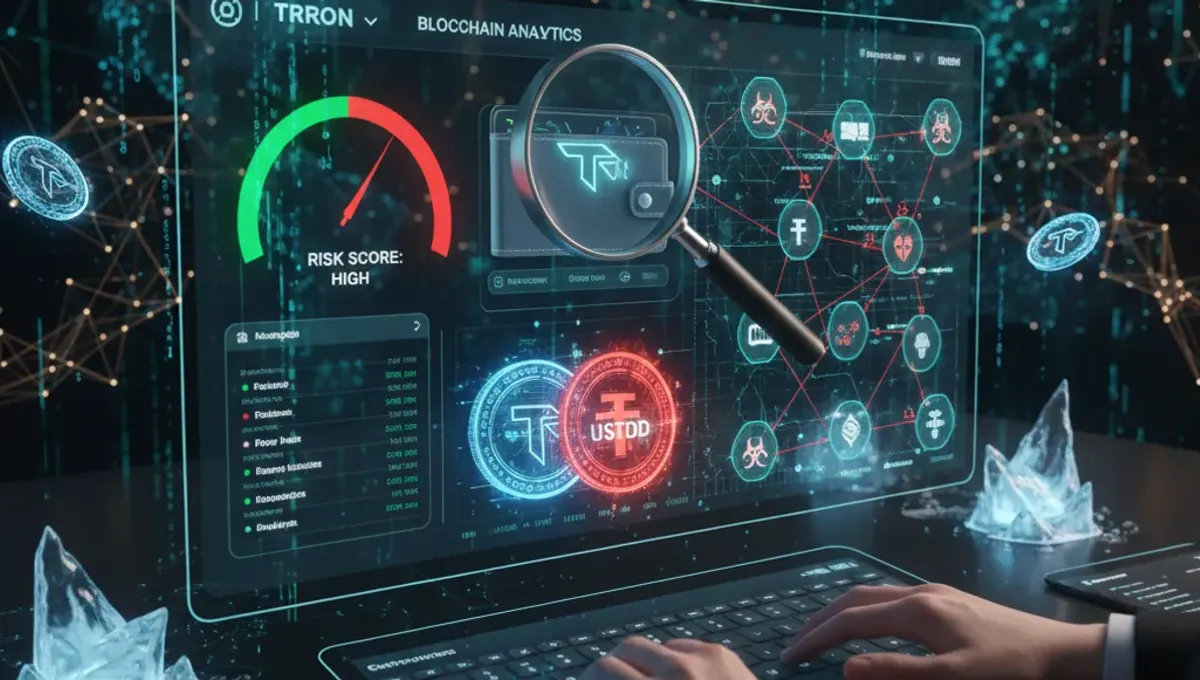
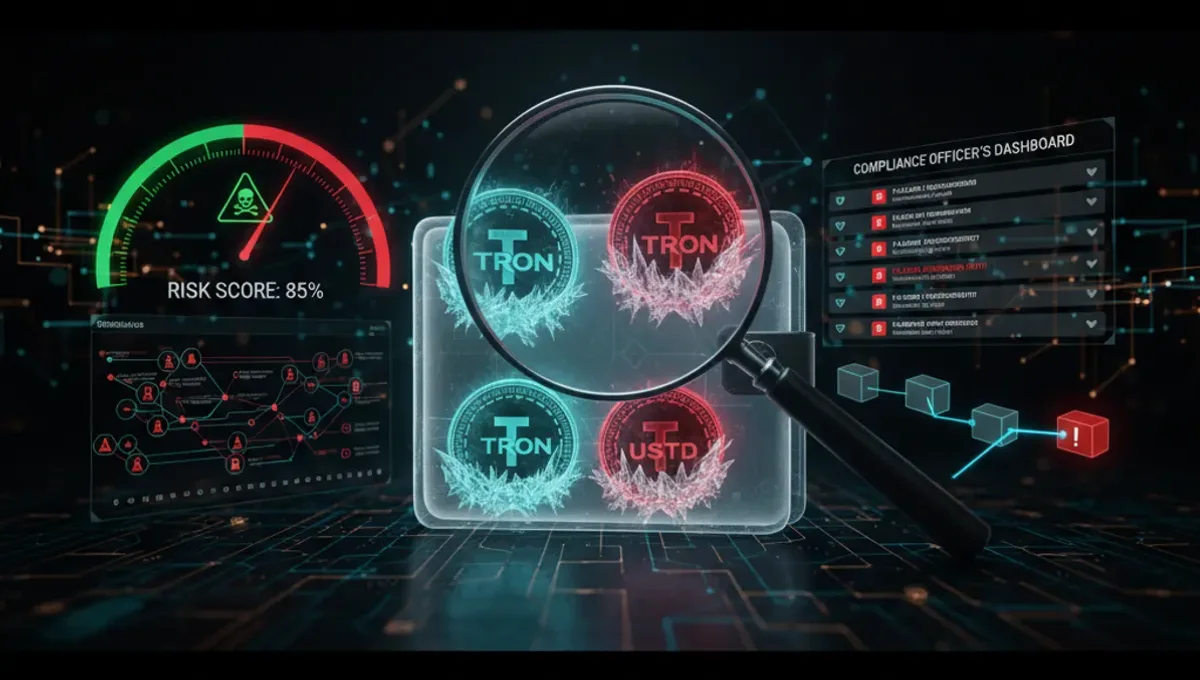
Use a trusted AML service from the verified list on Cryptohamlet's AML Services page. Enter the wallet address and check: - Risk score (0–100): Scores above 50 signal elevated risk - Tainted coin percentage: Any amount from mixers, ransomware, or theft flags the wallet - Darknet exposure: Check if the wallet has received funds from known darknet markets - Sanctions match: Verify the address is not on OFAC SDN, EU, or UN lists
Step 3: Review Transaction History
Look for: - Sudden large inflows from unknown sources - Repeated transfers to/from mixers (CoinJoin, Tornado Cash legacy trackers) - Frequent interactions with gambling or scam contracts - Any freeze or seizure history (especially frozen USDT or exchange account bans)
Step 4: Assess Counterparty Reputation
If available, cross-check: - Is the wallet tied to a known exchange? - Has the entity published compliance certifications? - Are there public disputes or regulatory warnings about this party?
Step 5: Document and Approve
Before signing the repo agreement, document: - The AML check date and service used - Risk score and any flags - Your approval decision (e.g., "Risk score 22 – acceptable for $500k repo")
Store this for audit trails.
Understanding Crypto Risk Score and Acceptable Thresholds
| Risk Score | Interpretation | Repo Recommendation |
|---|---|---|
| 0–20 | Minimal history or clean | ✅ Proceed |
| 21–40 | Low risk, minor flags | ✅ Proceed (document review) |
| 41–60 | Moderate: mixer exposure or unverified sources | ⚠️ Enhanced due diligence |
| 61–80 | High: darknet/sanctions proximity | ❌ Reject or escalate |
| 81–100 | Critical: known theft, sanctions, or active fraud | ❌ Reject |
Note: Institutional repo desks often set thresholds at 30 or lower. Retail participants should aim for 40 or below unless they have a compliance team.
Common AML Red Flags in Onchain Repo Participants
- Frozen USDT transfers – Wallet has previously sent or received Circle-frozen stablecoins
- TRC20 mixers – Repeated Tron-based CoinJoin activity
- Sanctioned jurisdiction IPs – Counterparty's known operating location is Iran, North Korea, Syria, or Crimea
- Scam exposure – Wallet appears on public scam databases or has Uniswap rug-pull tokens
- Rapid coin churn – Tokens move in and out of the wallet within minutes (suggests hot-potato rigging)
What to Do if Your Repo Counterparty's Wallet Is Flagged
If risk score is 21–50: - Request additional verification (KYC documentation, business registration, legal certifications) - Reduce repo size or shorten tenor - Require enhanced transaction monitoring during settlement
If risk score is 51–100 or sanctions alert triggers: - Reject the repo immediately - Do not send collateral to that wallet - Report to your compliance officer - If the counterparty is a known institution, escalate via official channels
Participating in a repo with a flagged counterparty can result in: - Your own wallet being flagged for due diligence failure - Exchange account restrictions or asset freezes - Regulatory fines (if you're an institutional participant) - Loss of counterparty trust in future dealings
How to Verify Collateral Quality in Digital Bond Repos
The USDM1 bond in the Virtu–Tradeweb example is Marshall Islands-issued. Before accepting it as collateral:
- Verify issuer credentials – Is the Marshall Islands bond authority recognized by your regulator?
- Check smart contract audit – Is the bond contract audited by a third party?
- Confirm custody – Does the smart contract hold the collateral in a multi-sig or escrow account?
- Review redemption terms – Can the collateral be unilaterally frozen or recalled by the issuer?
- Screen collateral source – Run an AML crypto check on the wallet where the USDM1 tokens originated
Even pristine digital assets can mask compliance risk if their provenance is unclear.
FAQ: AML Checks for Onchain Repo and Digital Bonds
Can I run a free AML crypto check for repo due diligence? Yes. Many services offer limited free tiers sufficient for a single wallet screen. For recurring repos, consider a paid subscription. Check Cryptohamlet's AML Services page for verified options with transparent pricing and accuracy ratings.
How long does an AML wallet check take? Most checks complete in 2–5 minutes. Some services provide instant risk scores with detailed reports following within hours. Always verify the check before proceeding with settlement.
What if my counterparty refuses to disclose their wallet address? Do not proceed. Transparency is non-negotiable in compliant onchain finance. Any party unwilling to submit to wallet screening is a red flag.
Are Tron and Bitcoin repo addresses screened the same way? Yes, but Tron (TRC20) repos carry higher mixer exposure due to lower transaction costs. Bitcoin repos are rare but use the same AML screening principles. Ethereum and Solana repos are most common for digital bond collateral.
What happens if I receive tainted coins after the repo closes? If you unknowingly accept tainted funds, your exchange account may be frozen or your withdrawal requests denied. This is why pre-repo screening is critical—to prevent this scenario entirely.
Takeaway: Protect Yourself Before the Repo Settles
Onchain repos using digital bonds are efficient, but they shift compliance burden onto individual participants. A 10-minute settlement cycle means you have only minutes to verify compliance—so do it before you agree to the repo.
Use a free AML crypto check to screen your counterparty's wallet, assess collateral provenance, and document your due diligence. Look for risk scores below 40, zero darknet exposure, and no sanctions flags. If any red light appears, escalate or walk away.
For the most reliable wallet screening, start with the verified AML services listed on Cryptohamlet's AML Services page. They provide the transparency and accuracy you need to confirm your counterparty is compliant before your funds move onchain.
Source: Cointelegraph