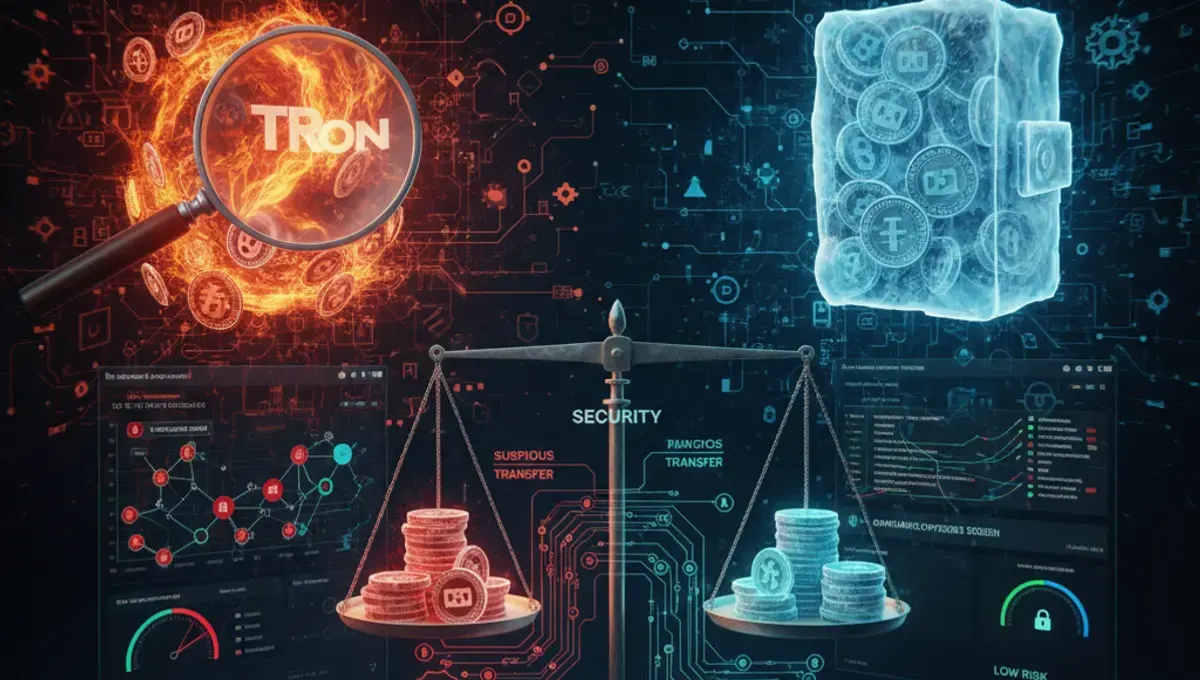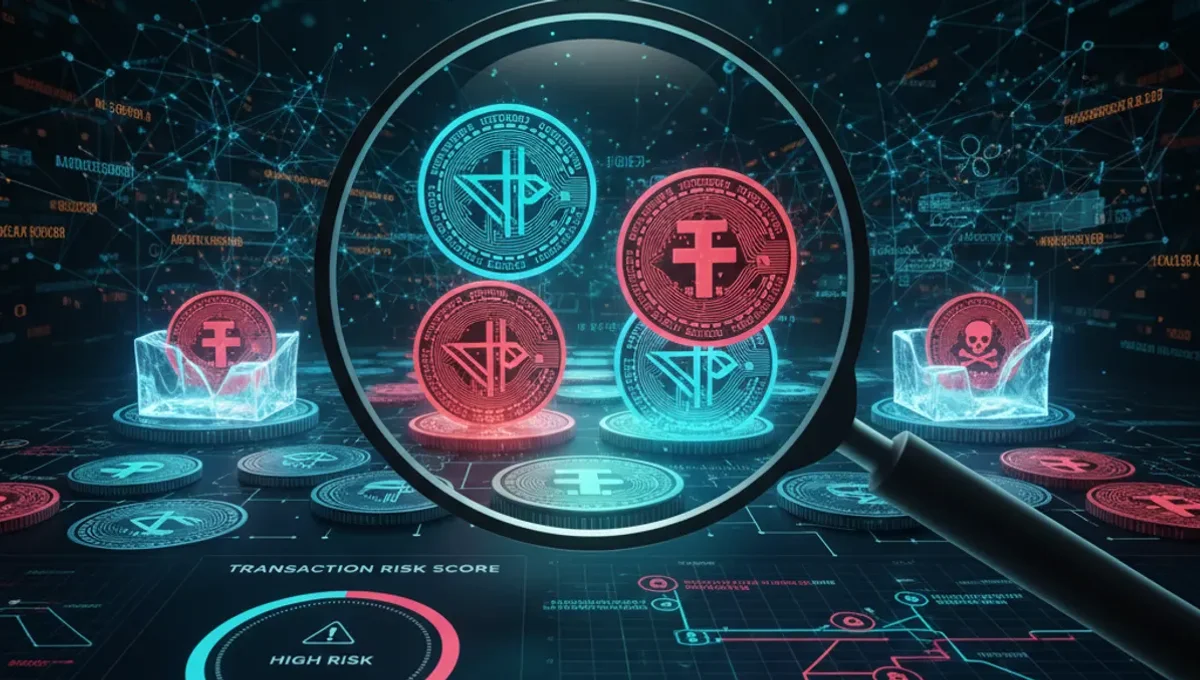
What Is a Safe Crypto Wallet and Why Legitimacy Matters
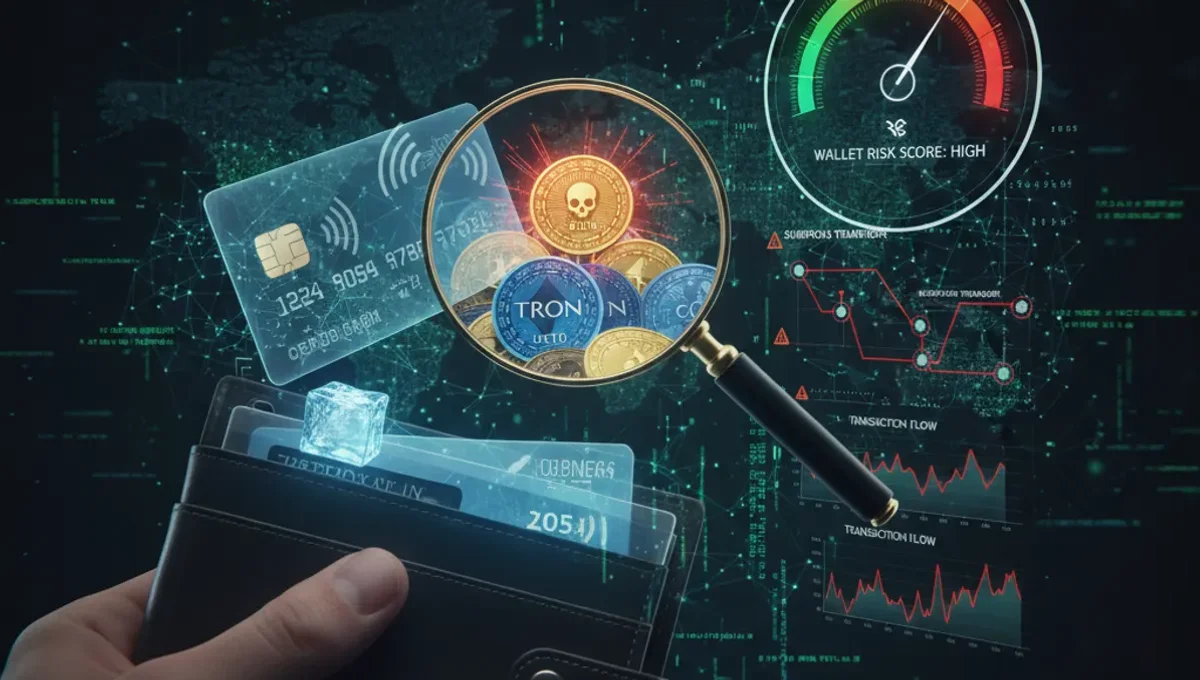
A safe crypto wallet is one that has a clean transaction history and no exposure to illicit activity. Legitimacy isn't just about whether the wallet software works—it's about whether the funds flowing through it are clean. Exchanges, regulators, and compliance systems now screen wallets for connections to mixers, ransomware, stolen coins, and sanctioned counterparties. If your wallet receives tainted coins, exchanges may freeze your account or reject deposits. A legitimate wallet has a low risk score, meaning blockchain analysis shows no suspicious patterns. This matters because receiving dirty crypto can expose you to legal liability, account bans, and loss of access to your funds. The wallet itself may be real, but the coins inside it may not be.
How to Check If a Crypto Wallet Is Legitimate
To verify if a crypto wallet is legit, you need to run an AML (anti-money laundering) check on its address. Here's the practical process:
- Collect the wallet address (Bitcoin, Ethereum, Tron, or other blockchain).
- Use a blockchain analytics tool to scan the address for risk flags.
- Review the risk score and transaction history for red flags.
- Check for connections to known darknet markets, mixers, or sanctioned entities.
- Look at the source of incoming funds and the pattern of outgoing transfers.
The best starting point is to use one of the verified AML services listed on our curated AML Services page, where you can compare tools that specialize in wallet screening. These services use real-time blockchain data and sanctions lists to flag high-risk wallets. A legitimate wallet will show a low or medium risk score with clear, explainable transaction history. If the risk score is high or the tool flags darknet exposure or mixer usage, the wallet is not safe to receive funds from.
What Risk Score Levels Mean for Wallet Legitimacy
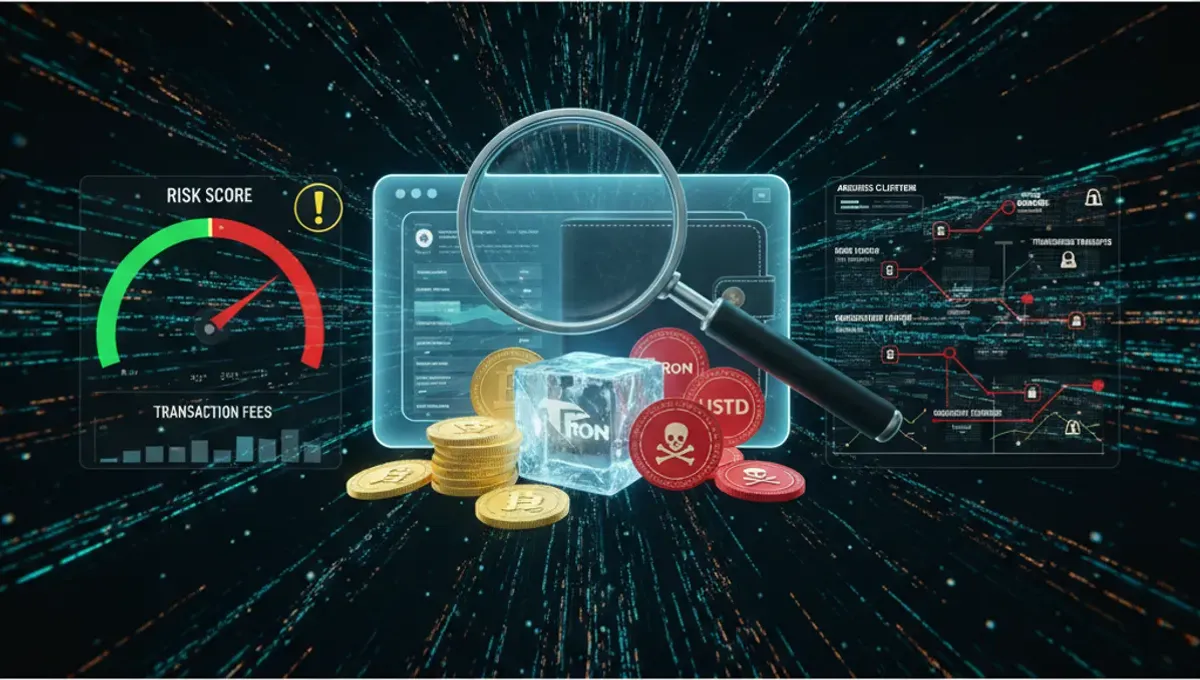
Risk scores are numerical ratings that indicate how likely a wallet is to be connected to illicit activity. Most AML tools use a scale from 0 (clean) to 100 (high risk), though some use color coding or categories.
Low risk (0–20): The wallet has a clean history with no known connections to theft, sanctions, or darknet markets. It's generally safe to receive funds from this wallet.
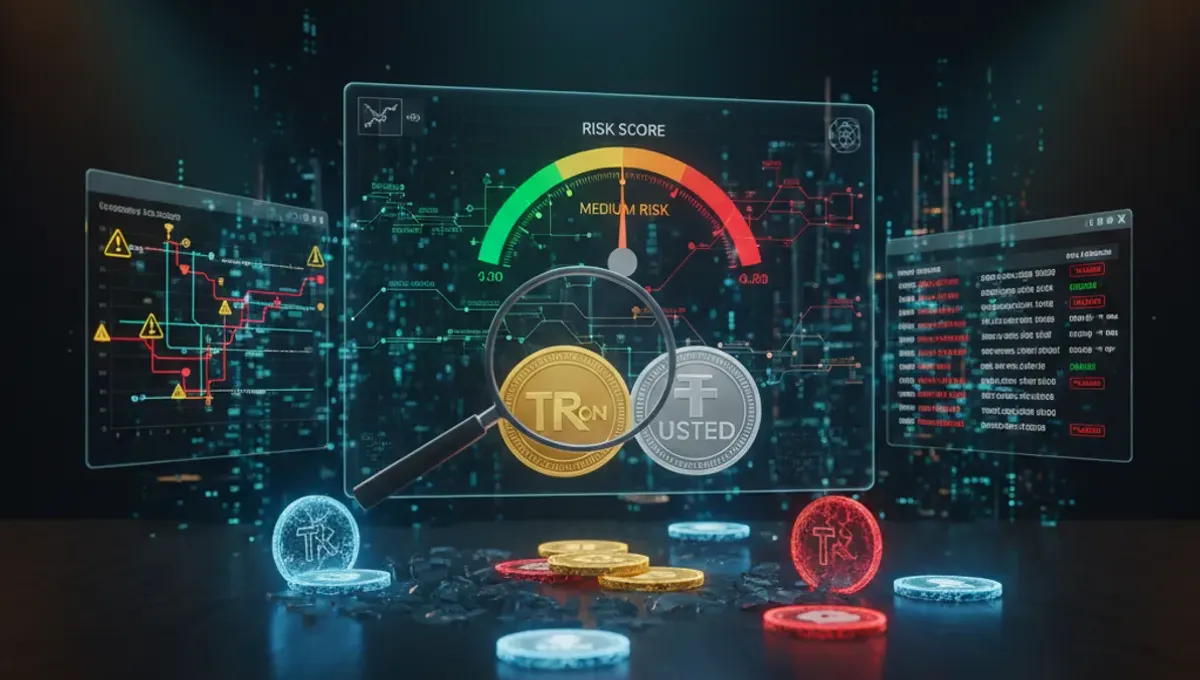
Medium risk (21–50): The wallet has some exposure to high-risk sources or mixing services, but not direct involvement. Use caution and investigate further before accepting large transfers.
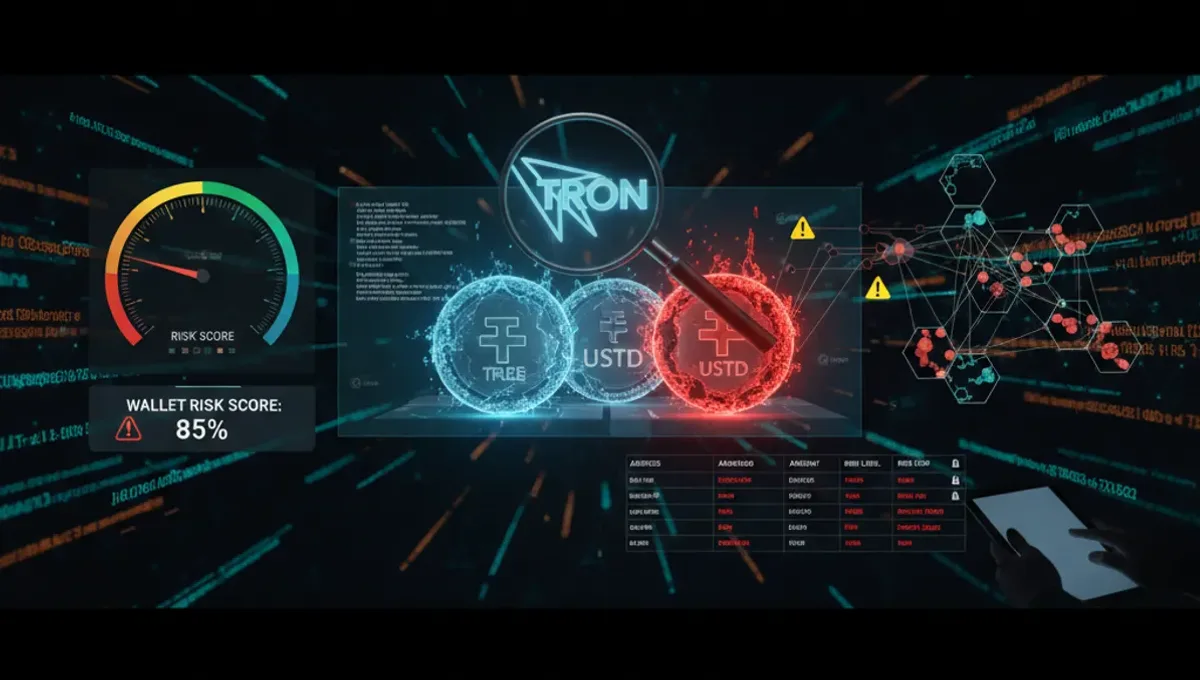
High risk (51–100): The wallet shows clear signs of illicit activity, including darknet connections, stolen funds, ransomware, or sanctioned entity involvement. Do not receive funds from this wallet.
A legitimate wallet will consistently show a low risk score. If a wallet's score changes suddenly or spikes, it may indicate recent suspicious activity. Always check the wallet's risk score before accepting a transfer, especially for large amounts.
Common Red Flags That a Wallet Is Not Legitimate
Several warning signs indicate a wallet is not safe or legitimate:
Darknet market exposure: The wallet has received or sent funds to known darknet marketplaces. This is a strong indicator of illicit intent.
Mixer or tumbler usage: The wallet has interacted with mixing services designed to obscure transaction trails. This suggests an attempt to hide the origin of funds.
Stolen funds: Blockchain analysis has linked the wallet to theft, hacking, or fraud.
Sanctioned entity connection: The wallet is linked to individuals or organizations on government sanctions lists.
Ransomware payments: The wallet has received funds from ransomware attacks.
Gambling or scam exposure: The wallet has connections to Ponzi schemes, rug pulls, or illegal gambling operations.
Unusual transaction patterns: Rapid movement of large sums, frequent splits into smaller amounts, or sudden dormancy followed by large transfers can indicate money laundering.
If a wallet shows any of these flags, it is not legitimate, and receiving funds from it can result in your own account being flagged or frozen by exchanges.
How to Check a Wallet Before Receiving USDT, TRX, or BTC
Before you accept a transfer of USDT, TRX, Bitcoin, or any other cryptocurrency, follow these steps:
- Ask for the sender's wallet address in advance.
- Run an AML check using a verified screening service. Our AML Services page lists trusted tools that support Tron, Ethereum, Bitcoin, and other blockchains.
- Review the risk score and transaction history. Look for the flags mentioned above.
- If the score is low, proceed with caution. If it's medium, ask the sender for more information about the funds' origin. If it's high, refuse the transfer.
- For large amounts, consider requesting additional documentation or verification from the sender.
- After receiving the funds, monitor your exchange account for freezes or compliance holds.
This process takes minutes and can prevent you from receiving tainted coins that could lock you out of exchanges or trigger regulatory action. Many exchanges now require customers to pass KYC (know-your-customer) checks and will reject deposits from flagged wallets.
What Happens If You Receive Tainted Coins
If you receive cryptocurrency from a wallet flagged as high-risk or tainted, several consequences can follow:
Exchange account freeze: When you try to deposit the coins to an exchange, compliance systems will flag them. The exchange may freeze your account pending investigation.
Funds held indefinitely: Exchanges can hold frozen USDT or other coins for weeks or months while they investigate the source.
Account closure: In severe cases, exchanges may permanently close your account and refuse to return your funds.
Legal exposure: If the coins are linked to theft or sanctions violations, you could face legal liability even if you didn't know they were tainted.
Loss of access: You may lose the ability to trade, withdraw, or move the coins.
The best defense is to verify wallet legitimacy before accepting transfers. If you do receive tainted coins, contact the exchange's compliance team immediately, explain the situation, and provide documentation of the transfer. Do not attempt to move or mix the coins, as this can worsen the situation. Using verified AML services from our curated list before accepting funds is the most effective way to avoid this scenario.
Comparing AML Wallet Screening Services
Several blockchain analytics platforms offer wallet screening and risk scoring. When choosing a service, look for:
Blockchain coverage: Does it support Bitcoin, Ethereum, Tron, and other chains you use.
Real-time data: Does it update risk scores and transaction data in real time or with delays.
Sanctions list integration: Does it check wallets against OFAC and other government sanctions lists.
Darknet detection: Does it identify connections to known darknet markets and mixing services.
User interface: Is the tool easy to use for non-technical users.
Cost: Some services offer free checks with limited results; others charge per scan or require subscriptions.
Our AML Services page provides a curated list of verified screening tools that meet these criteria. Start there to compare options and find the service that best fits your needs. Many offer free trial scans, so you can test them before committing to a paid plan. Using a trusted service is far cheaper than dealing with a frozen account or regulatory investigation.
Frequently asked questions
How do I know if a crypto wallet address is safe to receive money from
Run an AML check on the wallet address using a verified screening service. Look for a low risk score (0–20), no darknet connections, no mixer usage, and no sanctions flags. If the score is high or red flags appear, do not receive funds from that wallet. Check our AML Services page for trusted tools.
What does a crypto wallet risk score mean
A risk score is a numerical rating (typically 0–100) that indicates how likely a wallet is connected to illicit activity. Low scores (0–20) mean the wallet is clean. Medium scores (21–50) suggest caution. High scores (51–100) indicate darknet, theft, or sanctions exposure. Always check the score before accepting transfers.
Can I get my account frozen if I receive tainted crypto
Yes. If you deposit tainted coins to an exchange, compliance systems will flag them and may freeze your account. The exchange can hold your funds indefinitely while investigating. In severe cases, accounts are closed permanently. Verify wallet legitimacy before accepting any transfer to avoid this.
What makes a crypto wallet legitimate
A legitimate wallet has a clean transaction history with no connections to stolen funds, darknet markets, mixers, ransomware, or sanctioned entities. It shows a low AML risk score and transparent fund sources. Legitimacy is verified through blockchain analysis, not by the wallet's appearance or the sender's claims.
How do I check if a Tron or Bitcoin wallet is legit before sending money
Collect the wallet address and run it through an AML screening tool that supports your blockchain. Review the risk score, transaction history, and any flags for darknet or sanctions exposure. Low risk scores mean it's safe. Our AML Services page lists verified tools for Tron, Bitcoin, and other chains.