What Is a Hot Wallet and How Does It Work
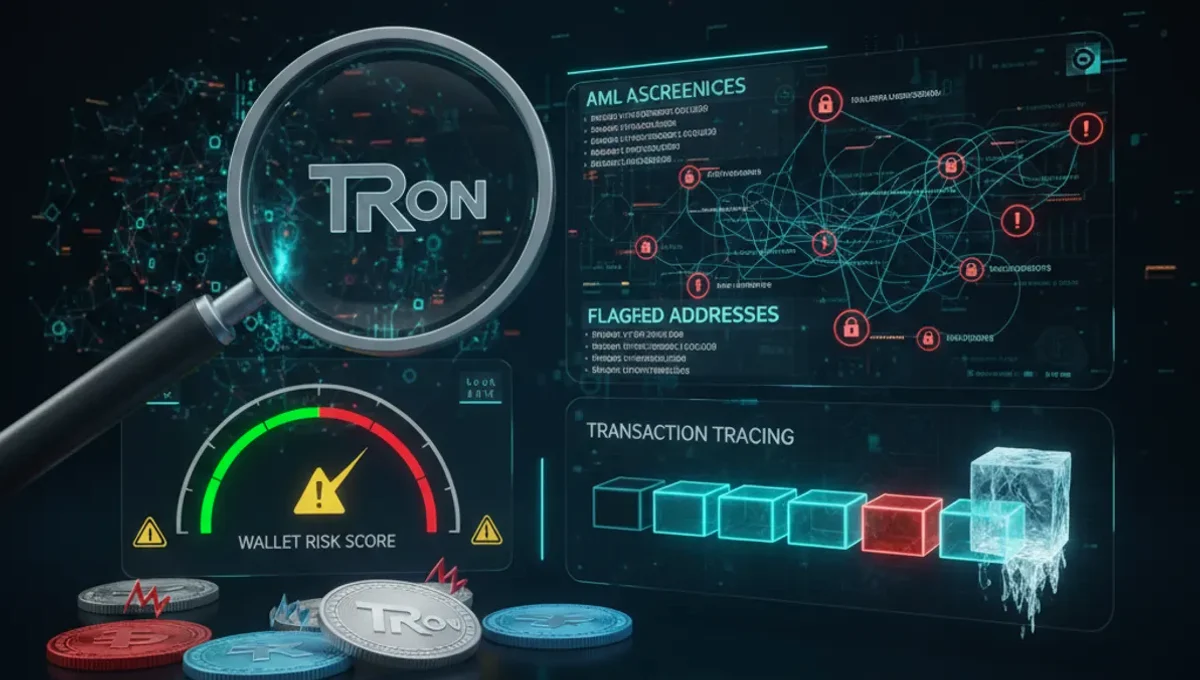
A hot wallet is a cryptocurrency wallet connected to the internet, hosted on an exchange, mobile app, or web browser. It stores your private keys online, making transactions fast and easy. Examples include MetaMask, Trust Wallet, and exchange-based wallets on Coinbase or Kraken. Hot wallets prioritize speed over security. You can send and receive funds in seconds, which suits active traders and everyday spending. The trade-off is exposure: online storage means hackers have more vectors to attack. If a hot wallet's server is compromised or your device is infected with malware, your funds are at risk. Hot wallets also leave a transparent transaction trail on the blockchain, making them easier for AML screening tools to analyze for suspicious activity, sanctions exposure, or connections to darknet markets.
What Is a Cold Wallet and Why Use One
A cold wallet stores your private keys offline, disconnected from the internet. Common types include hardware wallets (Ledger, Trezor), paper wallets, and air-gapped computers. Cold wallets are designed for security: without internet access, hackers cannot remotely steal your keys. Transactions take longer because you must manually sign and broadcast them, but the added friction protects against impulsive mistakes and unauthorized access. Cold wallets suit long-term holders and large amounts of crypto. They are also harder to flag by AML systems because they generate fewer on-chain transactions and leave less behavioral data. However, cold wallets still carry risk if you lose the physical device, forget your recovery phrase, or fall victim to social engineering. The offline nature does not make them immune to compliance scrutiny if the wallet is eventually used to deposit funds into an exchange or receive coins from a flagged source.
Hot Wallet vs Cold Wallet: Security and Risk Comparison
Hot wallets offer convenience but lower security. They are vulnerable to phishing, malware, exchange hacks, and insider threats. Cold wallets offer superior security against remote attacks but introduce physical risks like loss or damage. From an AML perspective, hot wallets are scrutinized more heavily because they generate frequent transactions and are often linked to exchanges, which must comply with sanctions lists and KYC rules. Cold wallets attract less immediate attention but are not invisible to blockchain analytics. If you move coins from a cold wallet to an exchange or receive funds into it from a tainted source, compliance teams will flag the activity. Neither type is inherently risky; the risk depends on the source of your coins and how you use the wallet. Checking a wallet's transaction history for dirty crypto, mixer exposure, or darknet connections applies to both hot and cold wallets. Use AML screening services to verify the coins you receive, regardless of wallet type.
How Crypto Wallet Fees Differ Between Hot and Cold
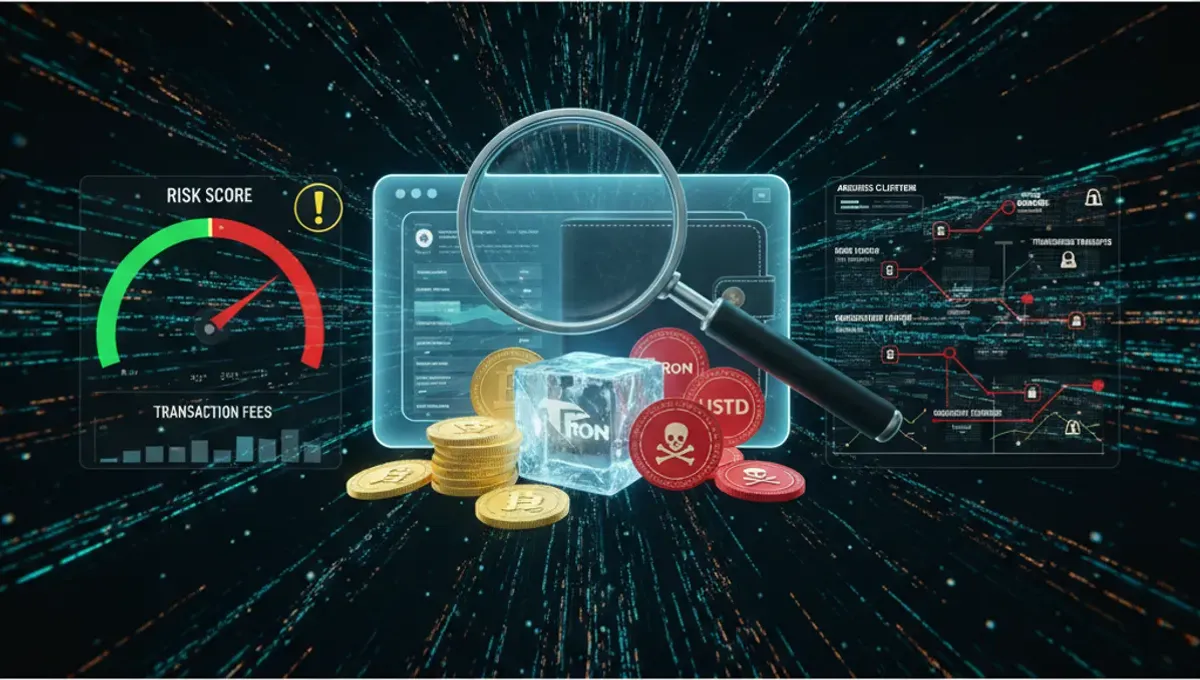
Hot wallets typically charge lower fees because transactions are processed directly by the service provider or the blockchain network. Exchange-based hot wallets may charge trading fees (0.1% to 0.5%) and network fees (gas on Ethereum, TRX on Tron). Mobile and web hot wallets often charge only network fees. Cold wallets have no transaction fees while offline, but you pay when you broadcast a transaction to the network. Hardware wallet manufacturers charge upfront (Ledger and Trezor cost $50–$150), but ongoing fees are just network costs. Some cold wallet services charge annual fees for custody or insurance. The fee structure does not directly affect AML risk, but high-frequency trading in hot wallets generates more on-chain data, which increases the likelihood of compliance review. If you are moving large amounts or frequently receiving crypto, compare fees across wallet types and AML screening services to balance cost and security.
Checking a Hot or Cold Wallet for Tainted Coins
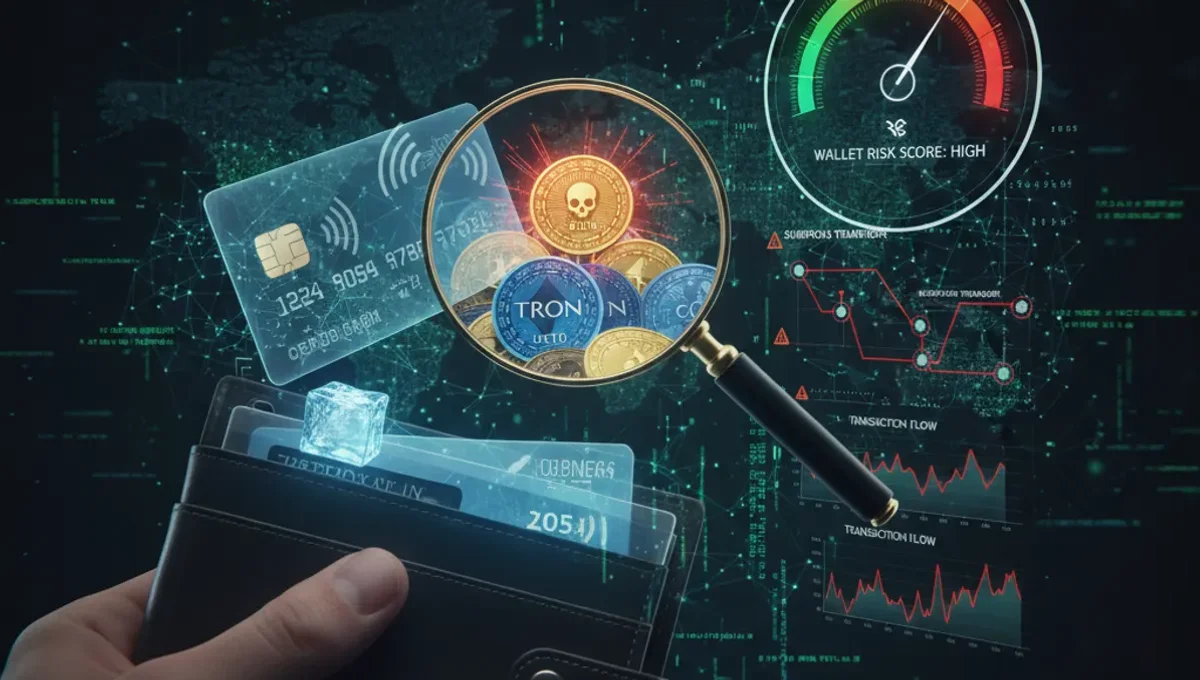
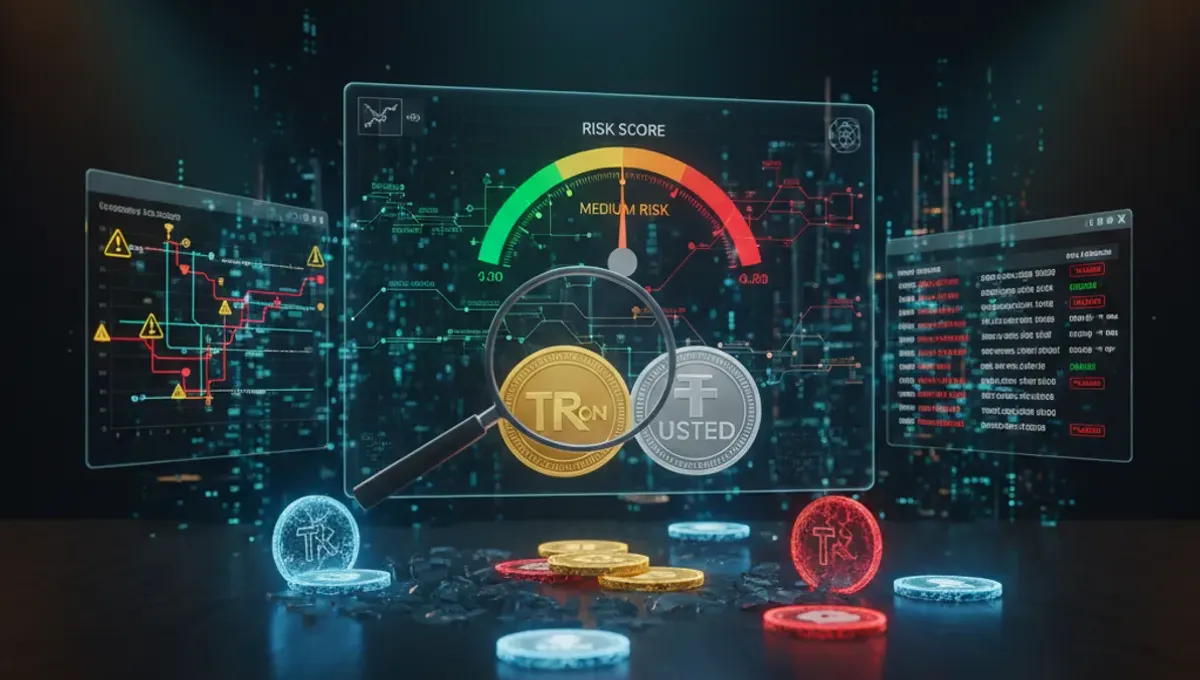
Before receiving or sending crypto, verify the wallet's transaction history for dirty crypto, sanctions exposure, or darknet connections. Both hot and cold wallets can receive tainted coins, and compliance teams will flag them. Use blockchain analytics and AML screening tools to check the wallet address. Look for red flags: transactions to known mixers, darknet markets, stolen fund addresses, or sanctioned entities. Risk scores typically range from low (clean, minimal exposure) to high (direct mixer or darknet links). Acceptable thresholds depend on your exchange and jurisdiction, but most platforms reject deposits from wallets scoring above medium risk. If your wallet is flagged, you cannot easily deposit to regulated exchanges without explaining the source. The best practice is to check any wallet before receiving large amounts. Our curated list of verified AML services on this site includes trusted tools for screening Tron, Bitcoin, Ethereum, and other addresses. Start there to verify wallet safety before moving funds.
Hot Wallet vs Cold Wallet: Which Should You Choose
Choose a hot wallet if you trade frequently, need instant access, or hold small amounts. Choose a cold wallet if you are a long-term holder, manage large sums, or prioritize security over convenience. Many experienced users maintain both: a hot wallet for active trading and a cold wallet for storage. From an AML compliance perspective, neither is inherently better. What matters is the source of your coins and your transaction behavior. If you receive crypto from unknown sources or move funds through mixers, both wallet types will be flagged. If your coins are clean and you use regulated exchanges, both are acceptable. The key is to screen any wallet before receiving funds and to understand that your wallet type does not exempt you from compliance review. Regularly check your wallet's risk score using the AML services listed on our platform to stay ahead of potential issues.
What Happens If Your Wallet Is Flagged as High Risk
If your wallet is flagged as high-risk by an AML system, exchanges may freeze deposits, delay withdrawals, or require additional verification. You may be asked to prove the source of your funds or explain transactions. If the wallet is linked to sanctions, stolen funds, or darknet activity, your account could be permanently closed. The consequences apply to both hot and cold wallets once they interact with regulated platforms. If you believe your wallet was flagged incorrectly, contact the exchange's compliance team with documentation of the transaction source. Preventive action is simpler: screen wallets before receiving funds, avoid mixing services, and maintain clean transaction history. If you are unsure about a wallet's status, use the AML screening tools available on our verified services list to check it before moving significant amounts of crypto.
Frequently asked questions
Can a cold wallet be hacked
A cold wallet cannot be hacked remotely because it is offline. However, physical theft, loss, or social engineering attacks targeting your recovery phrase pose real risks. If someone gains access to your hardware wallet or paper backup, they can steal your funds. Cold wallets are secure against cyber attacks but not immune to human error or physical compromise.
Do hot wallets charge fees for every transaction
Hot wallets charge network fees (gas, TRX fees) for every on-chain transaction, typically 0.1% to 5% depending on network congestion. Exchange-based hot wallets may also charge trading fees. The fees are unavoidable because they go to the blockchain network, not the wallet provider. Cold wallets incur fees only when you broadcast a transaction.
How do I know if my wallet has tainted coins
Use AML screening tools to check your wallet address for connections to mixers, darknet markets, stolen funds, or sanctioned entities. These services assign a risk score based on transaction history. A high score indicates tainted coins. Check your wallet before receiving large amounts to avoid compliance issues with exchanges.
Is it safer to keep crypto in a hot or cold wallet
Cold wallets are safer from cyber theft because they are offline. Hot wallets are more convenient but vulnerable to hacking and malware. For security, cold wallets win. For compliance and AML purposes, neither is inherently safer; both can receive tainted coins. The safest approach is to use a cold wallet for storage and a screened hot wallet for active trading.
What crypto wallet ranking matters for AML compliance
AML compliance does not rank wallets by type. Instead, exchanges rank wallets by transaction history and risk score. A wallet with clean sources and no mixer exposure ranks low-risk. A wallet linked to darknet activity or sanctions ranks high-risk. Use verified AML services to check your wallet's ranking before depositing to an exchange.