What Is Fake Crypto Wallet Screening and Why It Matters
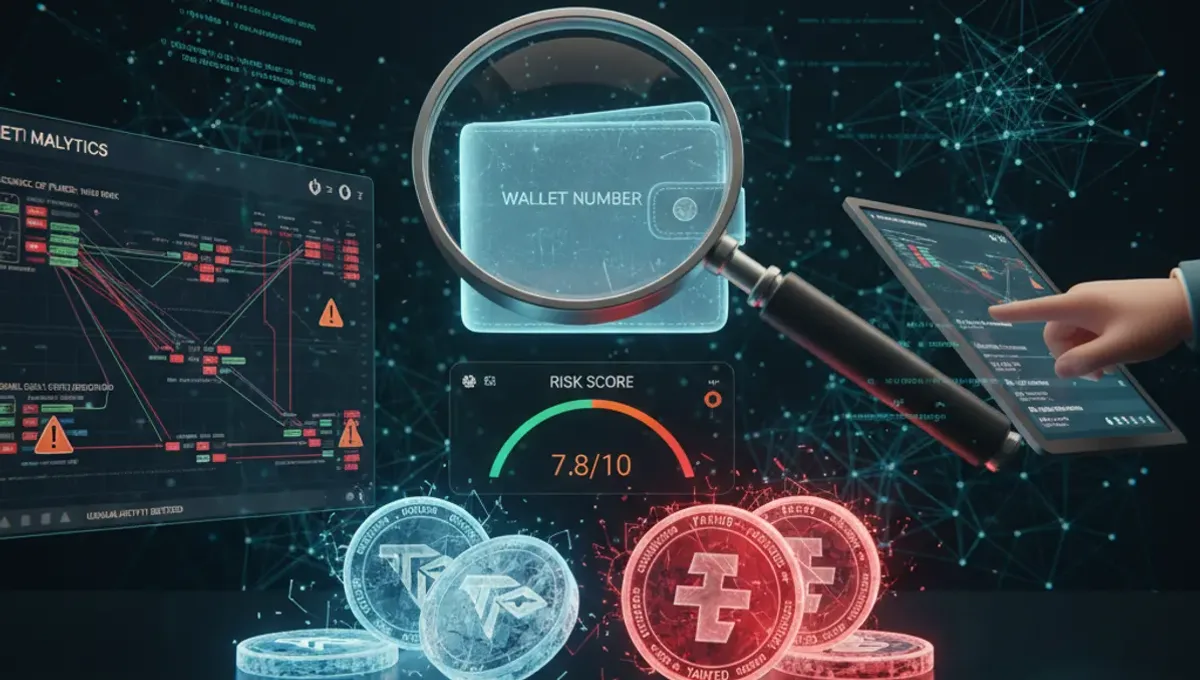
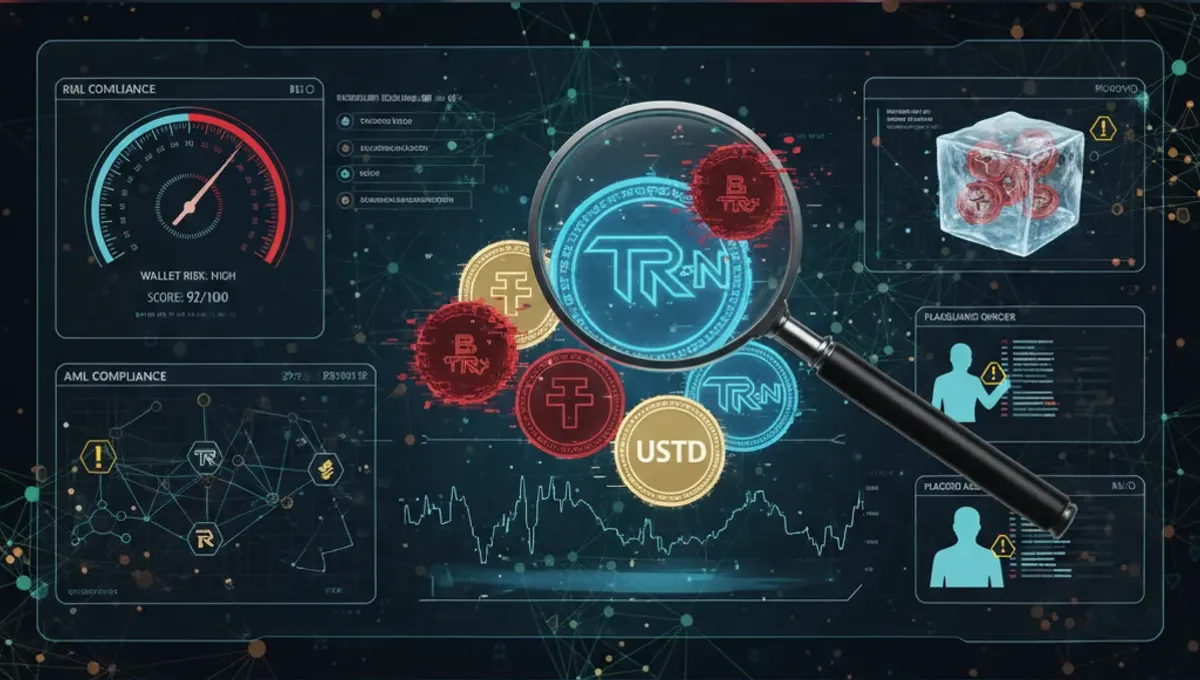
Fake crypto wallet screening detects whether a wallet contains or has interacted with tainted coins—funds originating from theft, ransomware, sanctions violations, or darknet activity. Unlike a simple wallet balance check, screening examines the entire transaction chain to flag high-risk sources. When you receive USDT or TRX from an unknown sender, screening reveals whether those coins have been flagged by blockchain analytics firms or exchanges. This is critical because most major exchanges now freeze accounts or reject deposits linked to dirty crypto. A single transaction from a mixer, sanctioned entity, or stolen funds can contaminate your entire wallet, even if you received it unknowingly. Proper crypto wallet screening prevents you from becoming liable for receiving illicit funds and protects your access to regulated exchanges.
How Crypto Wallet Screening and Risk Scoring Works
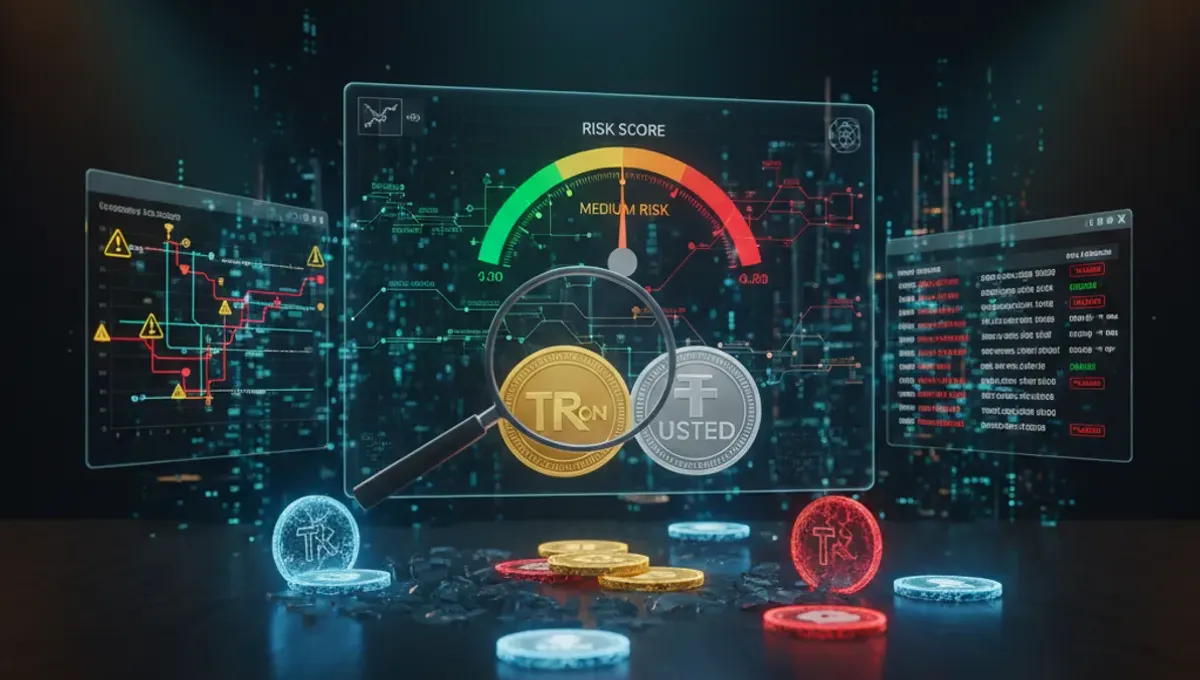
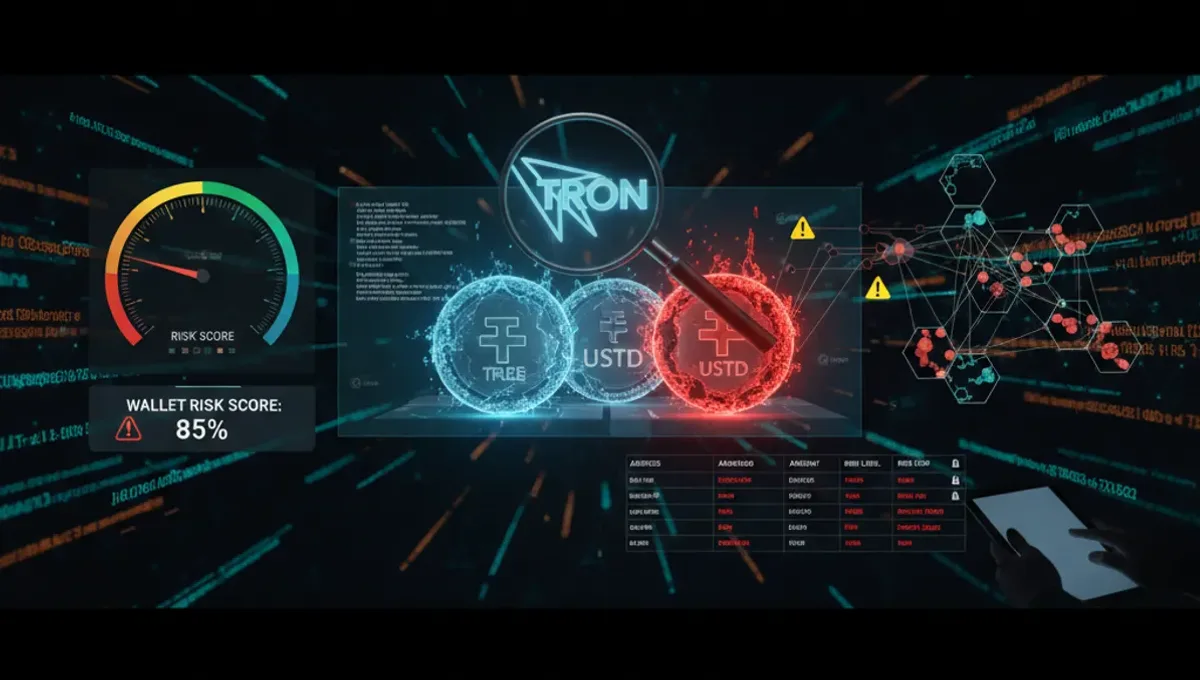
Crypto wallet screening uses blockchain analytics to trace transaction flows and assign a risk score. The process works in layers: first, the screening tool maps all incoming and outgoing transactions from your wallet address. Second, it checks each counterparty (sender or recipient) against known blacklists, sanctions databases, and darknet market addresses. Third, it analyzes transaction patterns—rapid movements, mixing service usage, or clustering with known scam wallets—to estimate contamination risk. Risk scores typically range from 1 (clean) to 100 (high-risk). A score above 50 often triggers exchange deposit restrictions. Scores are calculated by weighting factors such as direct exposure to mixers, proximity to stolen funds, and time elapsed since the risky transaction. The screening also flags specific risk categories: mixer exposure, darknet market connection, sanctions list match, gambling platform link, and scam association. Understanding these categories helps you decide whether to move coins or accept the risk.
Step-by-Step: How to Check a Crypto Wallet Before Receiving Funds
Before accepting USDT, TRX, BTC, or ETH from a counterparty, follow these steps to screen the wallet:
- Obtain the sender's wallet address and confirm it matches their stated identity.
- Visit a trusted AML screening service (check our curated list of verified AML services on this site for safe, reliable options).
- Enter the wallet address and select the blockchain (Tron, Ethereum, Bitcoin, etc.).
- Review the risk score and category breakdown. Look for flags in mixer exposure, sanctions matches, or darknet links.
- If the score is below 30, the wallet is generally safe to receive from.
- If the score is 30–60, assess the specific risk category; mixer exposure alone may be acceptable depending on your exchange's policy.
- If the score exceeds 60 or shows sanctions or stolen funds flags, decline the transaction or consult your compliance team.
- Document the screening result for your records in case of future regulatory inquiry.
This process takes 2–3 minutes and prevents most dirty crypto incidents.
What Risk Score Levels Mean for Your Wallet
Risk scores provide a quick reference for wallet safety:
- Score 1–20: Clean wallet. No known exposure to illicit activity, mixers, or sanctions. Safe to receive and deposit at most exchanges.
- Score 21–40: Low risk. Minor exposure to mixers or clustering with low-risk wallets. Generally acceptable; most exchanges allow deposits.
- Score 41–60: Medium risk. Detectable mixer usage, gambling platform links, or proximity to flagged wallets. Some exchanges may delay or reject deposits; check your exchange's policy.
- Score 61–80: High risk. Direct mixer exposure, multiple scam associations, or sanctions list proximity. Most exchanges will freeze or reject deposits.
- Score 81–100: Critical risk. Direct sanctions match, stolen funds, or darknet market connection. Deposits will be frozen; funds may be seized.
Exchange policies vary, but most treat scores above 50 as problematic. If you receive coins with a score above 40, contact your exchange's compliance team before depositing to avoid account suspension.
Common Risk Categories in Crypto Wallet Screening
Screening tools flag several specific risk types:
- Mixer exposure: Wallet has sent or received funds through a mixing service. This obscures transaction history and raises compliance concerns.
- Darknet market connection: Wallet has transacted with known darknet marketplace addresses (e.g., stolen goods, illegal services).
- Sanctions list match: Wallet address or counterparty matches OFAC, EU, or UN sanctions lists. This is a hard stop for most regulated exchanges.
- Stolen funds: Blockchain analytics has traced coins to a known theft or ransomware attack.
- Gambling platform link: Wallet has received payouts from or sent funds to gambling platforms. Some exchanges restrict these; others allow them.
- Scam association: Wallet is clustered with addresses involved in Ponzi schemes, rug pulls, or fraud.
Not all flags are equal. Mixer exposure alone is common and may be acceptable; sanctions or stolen funds are deal-breakers. Understand which categories your exchange enforces before accepting high-risk coins.
What Happens When Your Wallet Is Flagged as Dirty Crypto
If your wallet receives tainted coins and is flagged during screening, several outcomes are possible:
- Exchange deposit rejection: You attempt to deposit the coins and the exchange's AML system blocks the transaction, citing high risk score or sanctions match.
- Account freeze: The exchange accepts the deposit but later flags your account during compliance review, freezing your balance pending investigation.
- Mandatory reporting: Regulated exchanges report the transaction to financial authorities (FinCEN in the US, FIU in other jurisdictions).
- Coin segregation: Some exchanges quarantine flagged coins in a separate wallet pending resolution.
- Account closure: If the risk is severe (e.g., sanctions match), the exchange may permanently close your account and return funds to an external address.
To recover, you can request a manual review from the exchange, providing proof of the coin's origin or demonstrating that you received it unknowingly. However, exchanges rarely overturn sanctions flags. If your wallet is flagged, do not attempt to move the coins through multiple wallets to obscure the history; this triggers additional compliance alerts. Instead, contact the exchange's compliance team immediately and provide documentation.
Choosing a Reliable Crypto Wallet Screening Service
Not all screening tools are equal. When selecting a service, consider:
- Blockchain coverage: Does it support Tron (TRC20), Ethereum, Bitcoin, and other chains you use?
- Data freshness: Are blacklists and sanctions databases updated daily or weekly?
- Transparency: Does the service explain its risk scoring methodology and data sources?
- API availability: If you screen wallets frequently, does the service offer API access for automation?
- Cost structure: Some services offer free checks with limits (e.g., 5 per month); others charge per check or offer unlimited subscriptions.
- Compliance credibility: Is the service used by regulated exchanges or compliance firms?
Our site maintains a curated list of verified AML services that meet these standards. Starting with a trusted service from that list ensures you're using current data and recognized methodologies, rather than relying on outdated or unreliable tools. This is especially important if you're screening wallets for business purposes or high-value transactions.
Frequently asked questions
What is the difference between a crypto wallet screening and a crypto wallet example or explanation?
A crypto wallet explanation describes how wallets store and manage keys; a wallet example shows a sample address format. Screening, by contrast, analyzes a specific wallet's transaction history and risk profile. Screening is an active compliance tool, while examples and explanations are educational. You need screening to detect dirty crypto; examples help you understand wallet structure.
How much do crypto wallet screening services cost and what are typical crypto wallet fees?
Screening costs vary: free services allow 3–5 checks per month; paid services range from 0.50 to 5 USD per check or 50–500 USD per month for unlimited access. Crypto wallet fees (transaction fees charged by networks) are separate and depend on network congestion, not screening. Screening fees are one-time or subscription costs; network fees are paid to miners or validators.
Can I screen a wallet using just a crypto wallet number or address?
Yes. A crypto wallet number (address) is all you need. Enter the address into a screening tool, select the blockchain, and the service traces its transaction history. You do not need the private key, seed phrase, or any other information. The screening is read-only and does not access or move funds.
What should I do if I receive coins with a high risk score?
Do not deposit them immediately. Contact your exchange's compliance team and provide the screening report. If the score is above 60 or shows sanctions flags, decline the transaction if possible. If already received, do not move the coins between wallets; this triggers additional alerts. Request a manual review from the exchange or consult a compliance professional.
Is fake crypto wallet screening the same as checking a Tron address or Bitcoin wallet?
Screening applies to any blockchain wallet—Tron, Bitcoin, Ethereum, etc. The process is the same: enter the address, analyze transaction history, and assign a risk score. The underlying blockchains differ, but the screening methodology is consistent. Our verified AML services support multiple chains, so you can screen any wallet type.