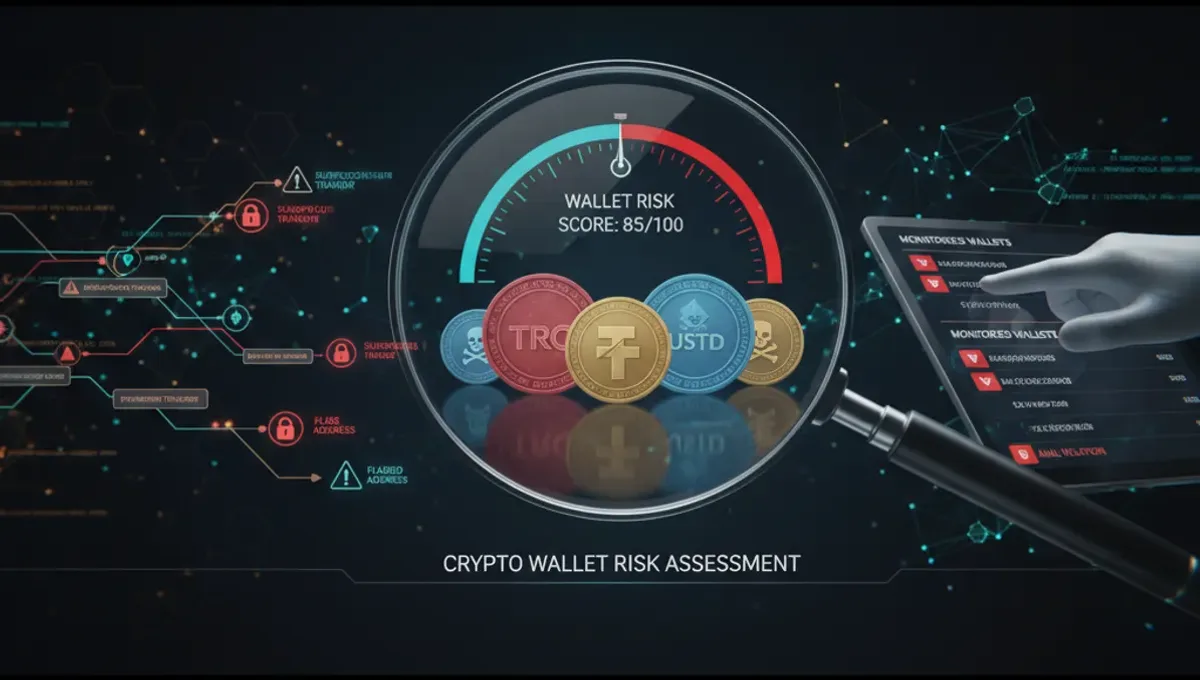
What Is a Crypto Wallet Risk Score?
A crypto wallet risk score is a quantified assessment of the blockchain history associated with a wallet address. It reflects the cumulative risk from all transactions linked to that address, including funds received from or sent to high-risk counterparties. Risk scores typically range from 0 (minimal risk) to 100 (severe risk), though some services use different scales. The score is calculated by analyzing the wallet's transaction graph—tracing where coins came from, where they went, and whether any addresses in that chain are flagged for illegal activity, sanctions violations, or known theft. Unlike a traditional credit score, a crypto wallet risk score is transparent and verifiable on the blockchain itself. It does not change your ability to transact, but it may affect whether exchanges, payment processors, or institutional partners will accept your funds.
How Is a Crypto Wallet Risk Score Calculated?
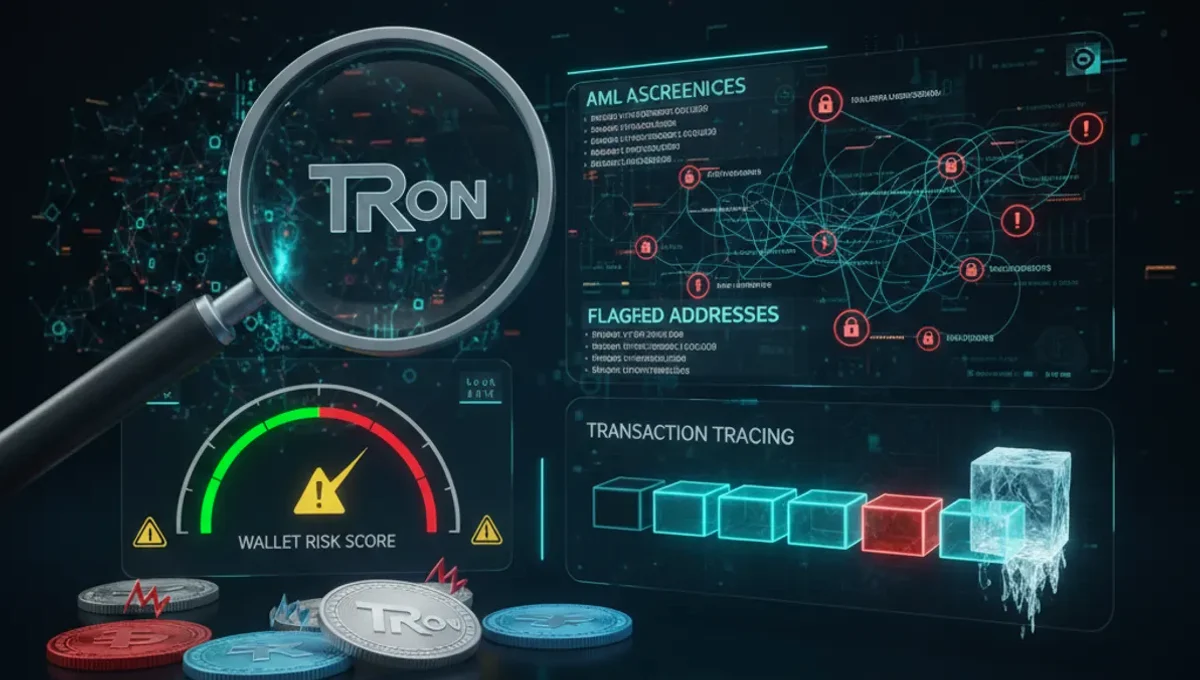
Risk scoring algorithms examine several factors to assign a wallet a risk rating. First, they identify the source of funds by tracing transactions backward through the blockchain ledger. If coins originated from a known mixer, darknet marketplace, or sanctioned entity, the risk score increases. Second, they check whether the wallet has interacted with addresses flagged for scams, theft, or ransomware. Third, they assess transaction patterns—rapid fund movement, round-number transfers, or clustering with other high-risk wallets can signal suspicious behavior. Fourth, they cross-reference wallet addresses against sanctions lists maintained by regulatory bodies. The scoring model weights recent activity more heavily than older transactions, since older coins are considered less risky. Finally, some services incorporate machine learning to detect anomalous patterns that may indicate compromised wallets or money laundering attempts. The exact methodology varies between AML service providers, but all reputable services use blockchain transaction analysis as their foundation.
What Do Different Risk Score Levels Mean?
Risk scores are typically divided into bands that correspond to compliance action. A score of 0–20 indicates low risk: the wallet has clean transaction history and no known exposure to illicit sources. Funds from low-risk wallets are unlikely to be rejected by exchanges or payment processors. A score of 21–50 indicates medium risk: the wallet may have received funds from a mixer or interacted with addresses of unknown origin, but no direct link to illegal activity is confirmed. Medium-risk wallets may trigger additional scrutiny from compliance teams. A score of 51–80 indicates high risk: the wallet has clear connections to sanctioned entities, known theft, or darknet markets. Exchanges may freeze accounts or require enhanced due diligence before releasing funds. A score of 81–100 indicates critical risk: the wallet is directly linked to ransomware, sanctions violations, or major theft. Funds from critical-risk wallets are typically rejected outright. Some services add a 'no data' category for new or rarely-used wallets where insufficient transaction history exists to assign a reliable score.
How to Check a Crypto Wallet's Risk Score Before Receiving Funds
To check a wallet's risk score, you need the wallet address and access to an AML screening service. Here is the typical process: First, obtain the full wallet address (a long string of characters starting with '0x' for Ethereum, '1' or '3' for Bitcoin, or 'T' for Tron). Second, visit a reputable AML check service and enter the address in the search field. Third, wait for the service to query the blockchain and cross-reference the address against its database of known-risk entities. Fourth, review the risk score and the detailed report, which usually includes the transaction history, flagged counterparties, and specific risk categories (mixer exposure, sanctions, theft, etc.). Fifth, decide whether to proceed with the transaction based on your compliance threshold. For businesses and exchanges, acceptable risk thresholds are typically 0–30; for individuals, the threshold may be higher depending on risk tolerance. The entire process usually takes seconds to a few minutes. Many services offer both free basic checks and paid detailed reports; starting with the free tier on a trusted service is a practical first step.
What Happens If Your Wallet Receives a High Risk Score?
If your wallet receives a high risk score, several outcomes are possible depending on how you use the wallet. If you are receiving funds as a business or on a regulated exchange, the exchange may freeze the deposit pending manual review or reject it outright. If you are an individual receiving funds peer-to-peer, the transaction will still settle on the blockchain, but the recipient may refuse to accept the coins if they perform their own risk check. If you are sending funds from a high-risk wallet, the receiving exchange or service may flag your account for enhanced due diligence or temporary suspension. To remediate a high risk score, you can wait for time to pass—older transactions carry less weight in risk calculations—or you can provide documentation explaining the source of funds (e.g., proof of purchase, employment records, or legitimate business transactions). Some services allow you to submit a dispute or request a manual review if you believe the score is incorrect. If your wallet contains coins from a known theft or ransomware payment, the risk score will remain high indefinitely, and you should not attempt to deposit those coins on regulated exchanges, as they will be rejected and may trigger compliance investigations.
Why Crypto Wallet Risk Scores Matter for Compliance
Crypto wallet risk scores are central to compliance because they enable rapid identification of tainted coins and high-risk counterparties. Exchanges, payment processors, and financial institutions use risk scores to meet anti-money laundering (AML) and know-your-transaction (KYT) requirements. By screening incoming and outgoing wallets, these entities can prevent the movement of stolen funds, ransomware proceeds, and sanctioned assets through their platforms. For individuals and businesses, understanding wallet risk scores protects against accidental receipt of dirty crypto, which can result in frozen accounts, regulatory scrutiny, or legal liability. A wallet that receives coins from a sanctioned entity may itself become sanctioned, even if the recipient was unaware of the source. Risk scores also inform pricing and insurance decisions—some services charge higher fees or deny coverage to high-risk wallets. Finally, risk scores create accountability on the blockchain: because transaction history is permanent and verifiable, bad actors cannot easily hide their activity, and legitimate users can prove the cleanliness of their funds.
Comparing Crypto Wallet Risk Score Services
Multiple AML service providers offer crypto wallet risk scoring, each with different methodologies, coverage, and pricing models. Some services focus on specific blockchains (Bitcoin, Ethereum, Tron), while others cover multiple chains. Free services typically offer basic risk scoring with limited detail; paid services provide comprehensive reports including transaction graphs, counterparty analysis, and historical risk trends. When choosing a service, verify that it covers the blockchain you are using, offers transparent scoring methodology, and maintains up-to-date sanctions lists. Check whether the service provides API access for automated screening if you process many transactions. Look for services that offer both wallet screening and transaction monitoring, so you can track risk over time. The most reliable approach is to start with the curated list of verified AML services available on this site—these providers have been vetted for accuracy, compliance standards, and user experience. Using a trusted service from the outset ensures your risk assessments are reliable and defensible in case of regulatory inquiry.
Frequently asked questions
Can a crypto wallet risk score change over time?
Yes. A wallet's risk score can change as new transactions are added to the blockchain and older transactions age. Receiving additional clean funds may lower the score, while new transactions to high-risk addresses may raise it. Most services weight recent activity more heavily, so older risky transactions gradually become less influential. However, if a wallet receives coins from a sanctioned entity or theft, that risk typically remains permanent.
What is the difference between a wallet risk score and a transaction risk score?
A wallet risk score assesses the overall history and reputation of an address. A transaction risk score evaluates a single transfer of funds, considering the source wallet, destination wallet, amount, and timing. Both are used in compliance screening, but transaction scoring is more granular and real-time, while wallet scoring provides a broader historical view.
Do I need to check a wallet risk score if I am receiving crypto from a friend?
It depends on your risk tolerance and whether you plan to deposit the funds on an exchange. If you receive crypto from a friend and hold it in a personal wallet, no immediate check is required. However, if you later deposit those coins on an exchange, the exchange will perform its own risk check. Checking beforehand helps you avoid surprises and ensures the funds are clean before accepting them.
What crypto wallet fees are associated with risk scoring?
Most AML services charge no fee for basic wallet risk scoring. Premium detailed reports, API access, and transaction monitoring typically require a subscription or per-check fee. Some exchanges include risk scoring as part of their deposit process at no extra cost to users. Compare pricing across services to find the model that fits your needs.
How do I know if a crypto wallet risk score is accurate?
Verify that the service uses transparent methodology and maintains current sanctions lists from official sources. Cross-check results with multiple services if possible. Review the transaction history provided in the report to confirm the flagged counterparties and risk categories are real. Reputable services publish their data sources and update their databases regularly.