What Is a Crypto Wallet AML Check and Why It Matters
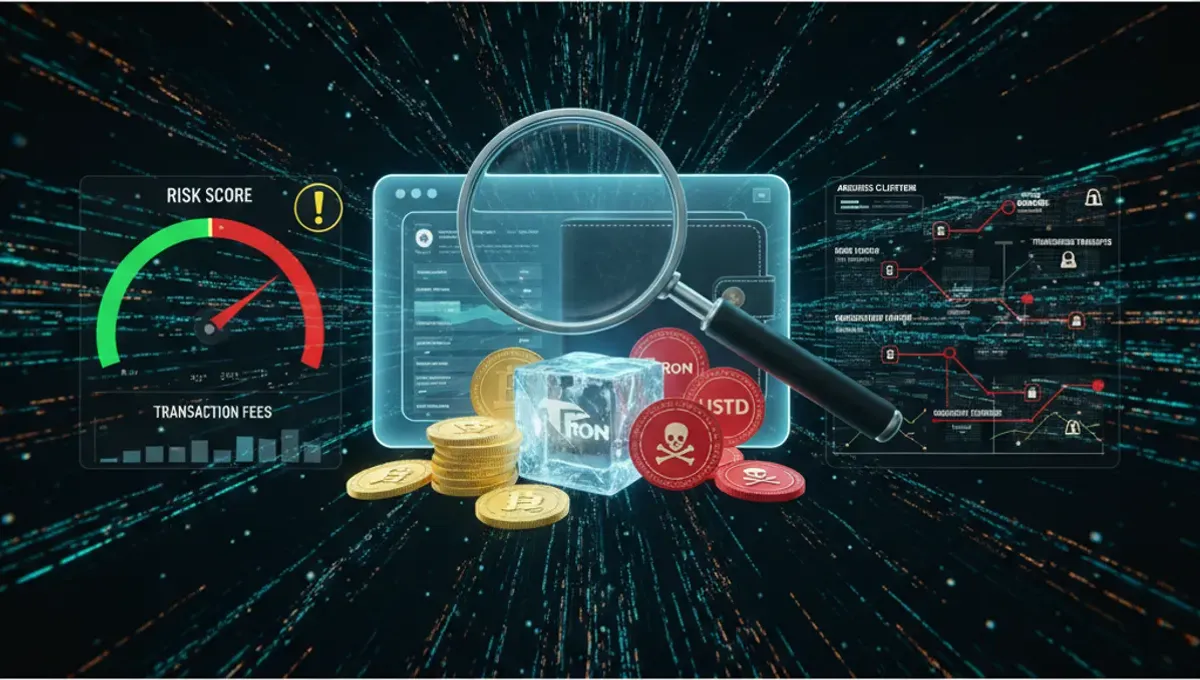
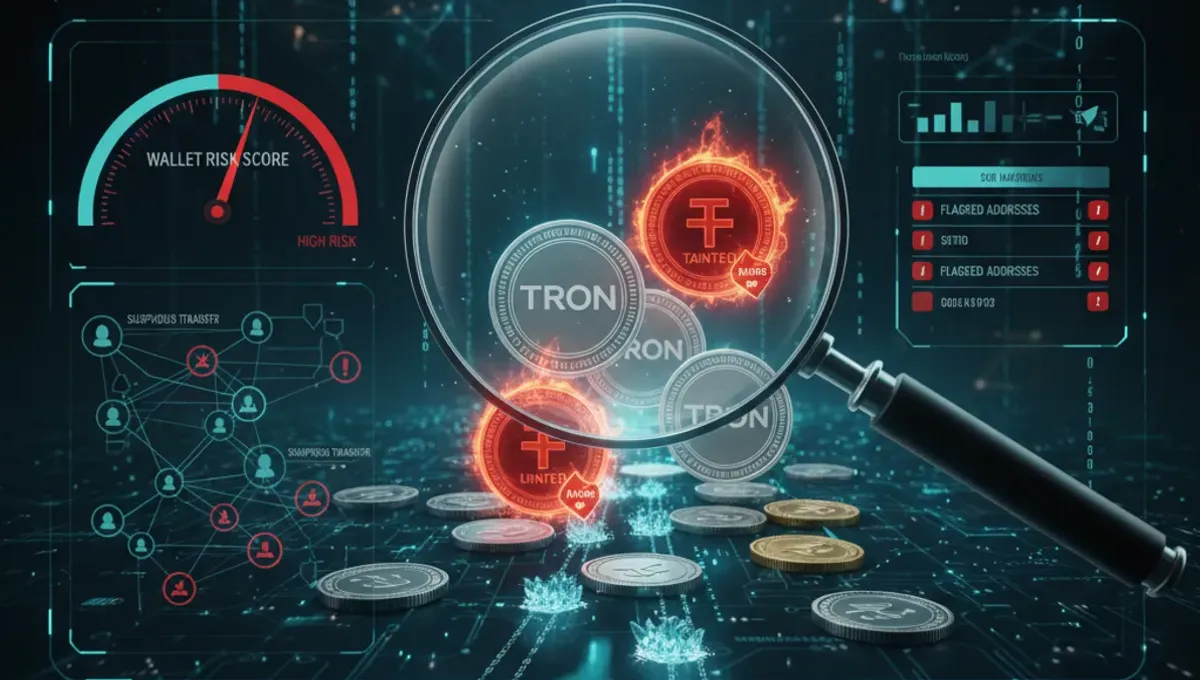
An AML check examines the on-chain history of a wallet address to flag exposure to dirty crypto. Dirty crypto includes coins linked to mixers, darknet markets, scams, stolen funds, and sanctioned entities. When you receive tainted USDT or TRX, exchanges may freeze your account or reject deposits. Regulators increasingly expect individuals and businesses to perform due diligence before accepting crypto payments. A wallet AML check assigns a risk score based on transaction patterns, counterparty reputation, and compliance data. Low-risk wallets show clean transaction histories with legitimate sources. High-risk wallets show connections to darknet markets, gambling platforms, or known theft addresses. Understanding a wallet's risk profile before you transact reduces your exposure to regulatory action and financial loss.
How Crypto Wallet Risk Scoring Works
Risk scoring combines multiple data points into a single compliance grade. Blockchain analytics platforms track wallet behavior, counterparty relationships, and historical transaction flows. A wallet receives a higher risk score if it has received funds from known mixers, darknet markets, or sanctioned addresses. The scoring model also considers transaction frequency, wallet age, and mixing patterns. Most platforms use a numerical scale (0–100 or 1–10) or categorical labels (low, medium, high, critical). A wallet that has only received funds from regulated exchanges and known businesses typically scores low risk. A wallet that has received funds from a mixer or gambling site scores medium to high risk. Critical risk flags include direct links to ransomware, terrorist financing, or OFAC-sanctioned entities. Understanding these categories helps you decide whether to accept or reject a payment from a given address.
How to Check a Crypto Wallet Before Receiving Funds
Follow these steps to screen a wallet address for AML risk:
- Obtain the wallet address from the sender. Confirm it is a valid Tron (TRX), Bitcoin (BTC), Ethereum (ETH), or USDT address.
- Visit a trusted AML screening service. Our curated list of verified AML services on Cryptohamlet includes platforms that check Tron addresses, Bitcoin wallets, and USDT transaction history.
- Paste the wallet address into the search field.
- Review the risk score and detailed findings. Look for flags related to mixers, darknet exposure, sanctions, or stolen funds.
- Check the transaction history. Examine where the funds originated and whether they passed through high-risk intermediaries.
- Make a decision. Accept the payment if the risk score is low or acceptable for your use case. Reject or request clarification if the score is high or critical.
This process takes minutes and provides concrete evidence of wallet compliance status before you commit to a transaction.
Understanding Crypto Wallet Risk Categories and Thresholds
Risk thresholds vary by use case and regulatory environment. For individuals, a low-risk score (typically 0–30 on a 0–100 scale) is generally acceptable for personal transactions. A medium-risk score (31–70) may indicate the wallet has received funds from gambling or other higher-risk sources but is not directly tied to crime. A high-risk score (71–100) or critical flag suggests direct exposure to darknet markets, ransomware, or sanctioned entities and should be rejected. For businesses and exchanges, thresholds are stricter. Many regulated exchanges reject any wallet with a medium or high-risk score to comply with AML/KYC requirements. Some businesses set a threshold at 50, rejecting anything above. Others use a whitelist approach, accepting only wallets from known, verified sources. Document your risk threshold decision and the screening results for audit purposes. This protects you if regulators later question why you accepted a payment from a particular address.
What Happens When a Wallet Is Flagged as Dirty Crypto
If you receive tainted coins and deposit them to an exchange, several outcomes are possible. The exchange may freeze your account pending investigation. This can last days, weeks, or longer. The exchange may reject the deposit outright and return the funds. In some cases, the exchange may seize the funds if they are linked to a sanctioned entity or known theft. You may face regulatory scrutiny or legal action if you knowingly received stolen crypto or funds from a sanctioned source. To avoid this, screen wallets before accepting payments. If you accidentally receive tainted coins, do not deposit them to an exchange. Instead, contact the sender and request a replacement payment from a clean wallet. If the coins are already in your custody, consult a compliance specialist or legal advisor before taking further action. Proactive screening is far simpler than dealing with frozen accounts or regulatory investigations.
Comparing AML Check Services and Wallet Screening Tools
Several platforms offer crypto wallet AML checks, each with different coverage, pricing, and features. Some services focus on Tron and TRC20 tokens, while others cover Bitcoin, Ethereum, and multiple blockchains. Free tools often provide basic risk scoring but limited transaction history and no detailed reporting. Paid services offer comprehensive screening, transaction tracing, and compliance reports suitable for businesses. When choosing a service, verify that it covers the blockchains you use (Tron, Bitcoin, Ethereum, etc.), provides clear risk scoring methodology, and offers customer support. Our verified AML services list on Cryptohamlet curates trusted platforms that meet these criteria, making it easier to find a reliable screening tool. Compare features like API access for bulk checking, export options for audit trails, and integration with your existing compliance workflow. Start with a service that matches your volume and budget, then upgrade if your screening needs grow.
Best Practices to Avoid Receiving Tainted Coins
Prevention is easier than remediation. Establish a wallet screening policy before you accept crypto payments. Require all senders to provide their wallet address in advance so you can screen it. Use a dedicated receiving wallet separate from your main holdings, so any tainted coins are isolated. Screen every wallet, even if the sender is known to you. Wallet addresses can be compromised or reused by bad actors. Document all screening results and keep records for at least three to five years. This demonstrates due diligence if regulators audit your transactions. Educate your team on AML basics: what dirty crypto is, why screening matters, and how to use your chosen screening tool. If you operate a business, integrate AML screening into your payment acceptance workflow. For high-value transactions, use multiple screening services to cross-check results. Stay informed about emerging risk categories, such as new sanctions lists or darknet market activity, by following compliance news and your screening service's updates.
Frequently asked questions
What is a crypto wallet AML check?
A crypto wallet AML check is a compliance screening that examines a wallet's transaction history to identify tainted coins, sanctioned addresses, and high-risk sources. It assigns a risk score based on the wallet's exposure to mixers, darknet markets, scams, stolen funds, and other illicit activity. The check helps you decide whether to accept or reject a payment before funds reach your account.
How long does a crypto wallet AML check take?
Most AML checks complete in seconds to a few minutes. You paste the wallet address into a screening tool, and the platform queries its blockchain analytics database to return a risk score and transaction history. Some detailed reports may take longer to generate, but basic screening is nearly instantaneous. Real-time screening is essential for payment acceptance workflows.
Can I check a Tron wallet address for AML risk?
Yes. Tron (TRX) and TRC20 token addresses can be screened using AML tools that support the Tron blockchain. Enter the wallet address into a platform that covers Tron, and you will receive a risk score and transaction history. Tron addresses follow the same screening logic as Bitcoin or Ethereum wallets, examining counterparty risk and transaction patterns.
What risk score should I accept for a crypto payment?
Low-risk scores (0–30 on a 0–100 scale) are generally safe for personal transactions. Medium-risk scores (31–70) may indicate exposure to gambling or other higher-risk sources but are not necessarily criminal. High-risk or critical scores (71–100) suggest direct links to darknet markets or sanctioned entities and should be rejected. Businesses typically use stricter thresholds, rejecting anything above 50.
What happens if I receive tainted USDT or TRX?
If you deposit tainted coins to an exchange, your account may be frozen pending investigation, the deposit may be rejected, or the funds may be seized if linked to a sanctioned entity. To avoid this, screen wallets before accepting payments. If you accidentally receive tainted coins, do not deposit them. Contact the sender for a replacement payment from a clean wallet, or consult a compliance specialist.