What Does 'Dirty Crypto' Mean?
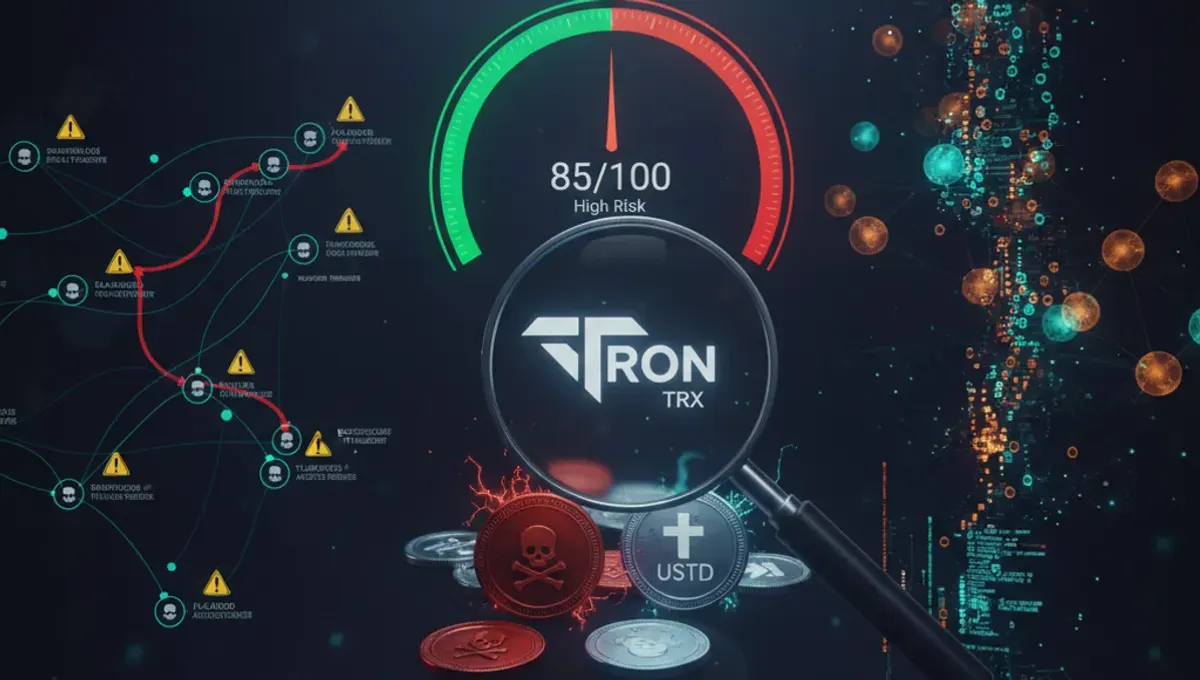
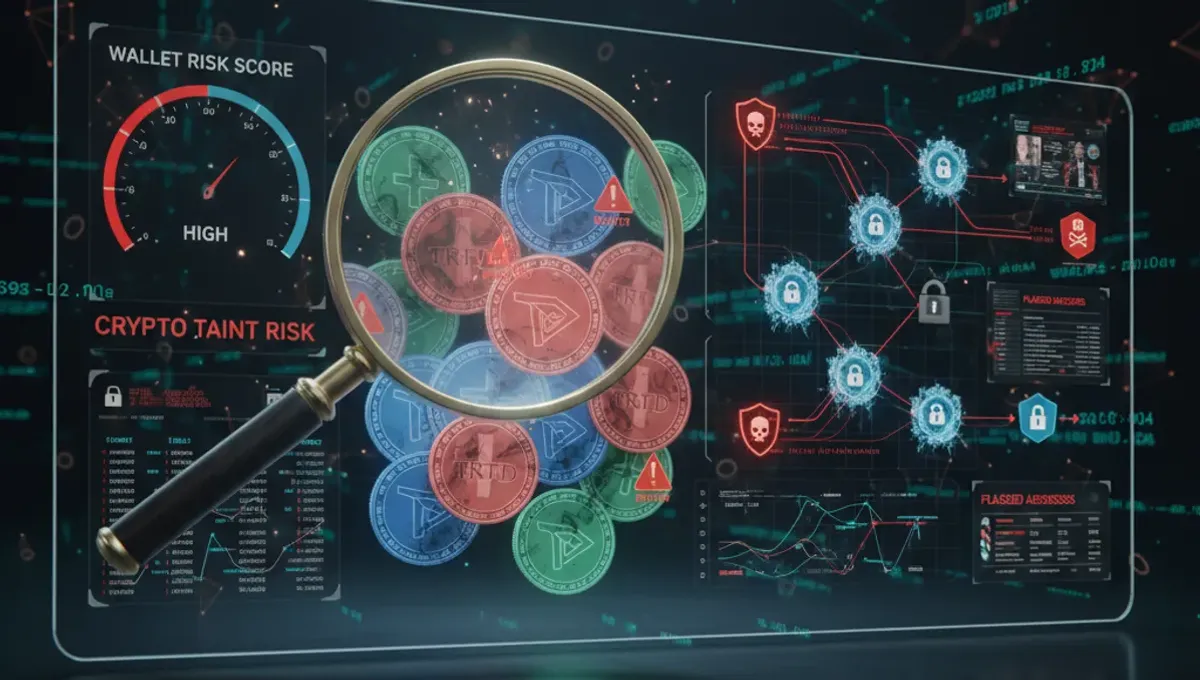
Dirty crypto refers to coins with a history of illicit activity or high-risk sources. This includes funds stolen from exchanges or users, proceeds from ransomware or scams, coins mixed through tumblers or mixers, and transactions linked to sanctioned entities or darknet markets. Blockchain transactions are permanent and traceable, so the origin of every coin can be analyzed. When you receive dirty crypto, you inherit the risk of that taint. Exchanges and custodians use blockchain analytics to flag these coins during deposit or withdrawal. The risk follows the coin regardless of how many times it changes hands, making it a compliance liability for anyone holding or moving it.
How Do Exchanges Detect Tainted Coins?
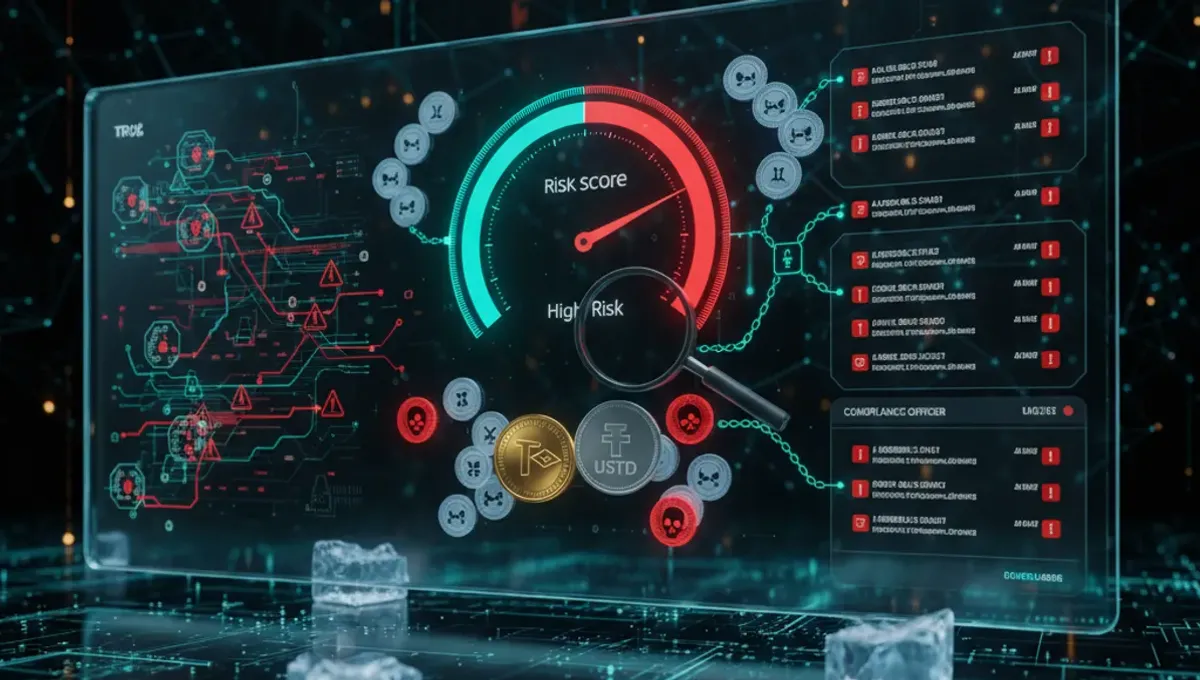
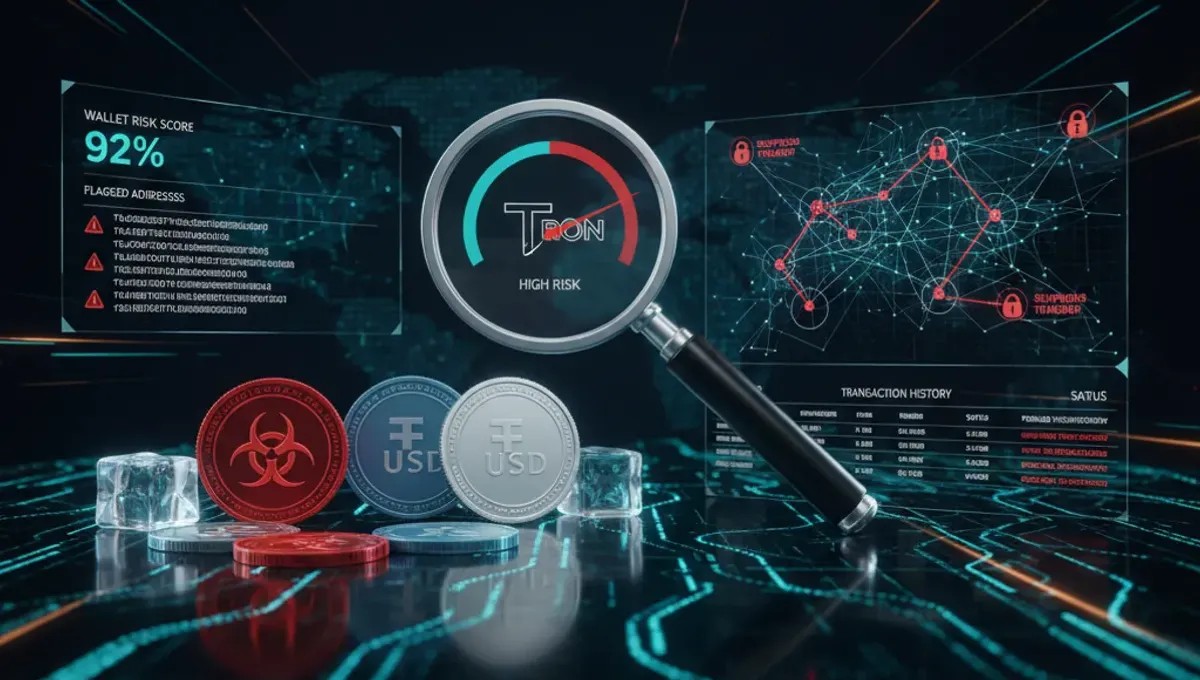
Exchanges perform AML checks using blockchain analytics tools that trace transaction history and flag coins linked to known risk categories. The AML check process involves scanning the wallet address against sanctions lists, darknet market databases, mixer services, and known theft incidents. When you deposit crypto, the exchange's compliance system assigns a risk score based on the coin's provenance. If the risk score exceeds acceptable thresholds, the exchange may freeze the deposit, reject it entirely, or lock your account pending investigation. This is not optional—regulated exchanges must comply with anti-money laundering regulations. The AML check fee is typically absorbed by the exchange, not passed to users, but the consequences of receiving dirty crypto fall on you.
What Happens If You Deposit Dirty Crypto?
If you deposit dirty crypto, several outcomes are possible depending on the exchange's risk tolerance and the severity of the taint. The exchange may accept the deposit but flag your account for review, freeze the funds temporarily, or permanently reject the transaction. In serious cases—such as coins linked to ransomware or sanctions—your entire account can be frozen, and you may be unable to withdraw any funds, clean or dirty. Some exchanges will contact you to explain the flag; others will simply lock your account without notice. You cannot easily recover frozen funds; the burden of proof falls on you to demonstrate the coins' legitimacy, which is nearly impossible if they originated from a high-risk source. This is why checking a wallet before receiving crypto is critical.
How to Check a Wallet Before Receiving Crypto
Before accepting a deposit, verify the sender's wallet address using a blockchain analytics tool. Step-by-step:
- Obtain the sender's wallet address (TRX, BTC, ETH, USDT, etc.).
- Run an AML check through a verified service—check our curated list of trusted AML services to find reputable providers.
- Review the risk score and any flags (mixer exposure, darknet links, theft history, sanctions).
- Accept only if the risk score is below your threshold (typically green or low-risk).
- If uncertain, ask the sender for proof of funds origin or decline the transfer. This process takes minutes and prevents account freezes. Many services offer free basic checks with limited history depth; paid AML checks provide comprehensive transaction tracing and detailed risk reports.
What Risk Score Levels Mean
Risk scores typically range from green (clean) to red (high-risk), though exact scales vary by service. Green or low-risk scores indicate minimal illicit history and are safe to receive. Yellow or medium-risk scores suggest some exposure to mixers, gambling, or unverified sources—acceptable to many users but flagged by stricter exchanges. Red or high-risk scores indicate direct links to theft, ransomware, sanctions, or darknet activity—these coins will likely be frozen or rejected. Some services use numerical scores (0–100) where 0–20 is clean, 21–50 is caution, and 51+ is high-risk. Always check the specific service's methodology. Exchanges set their own thresholds; a coin you can deposit at one exchange may be rejected at another. When in doubt, treat yellow-flagged coins as unacceptable and red-flagged coins as unusable.
Can You Get Stolen Crypto Back?
Recovering stolen crypto is extremely difficult. Unlike bank transfers, blockchain transactions are irreversible. If you receive stolen crypto unknowingly, you may face account freezes but are unlikely to face criminal liability if you act in good faith. However, if your account is frozen, recovering the funds requires proving you did not knowingly receive stolen property—a burden that falls on you. Some law enforcement agencies can trace stolen funds, but recovery depends on jurisdiction and whether the thief is caught and prosecuted. The best defense is prevention: always run an AML check before accepting deposits. If you discover you have received stolen crypto, report it to the exchange immediately and cooperate with their investigation. Do not attempt to move or hide the coins, as this can be interpreted as money laundering.
Best Practices to Avoid Dirty Crypto
Establish a policy of checking every incoming wallet address before accepting funds. Use the trusted AML services listed on our verified AML services page as your starting point—they provide consistent, reliable screening. Set a risk threshold for your business or personal use (e.g., accept only green-risk coins) and stick to it. Request proof of funds origin from large or unfamiliar senders. Educate yourself on high-risk categories: mixers, gambling platforms, darknet markets, and sanctioned entities. Monitor your holdings periodically, as new risk data may emerge. If you operate an exchange or custody service, implement mandatory AML checks on all deposits and maintain audit trails. For individuals, use reputable exchanges that perform rigorous compliance checks—they act as a second layer of protection. Never assume a coin is clean based on appearance or sender assurance alone.
Frequently asked questions
What happens if I deposit dirty crypto without knowing?
Your exchange may freeze the deposit or your entire account pending investigation. You cannot easily recover frozen funds. The burden of proof falls on you to demonstrate the coins are legitimate. This is why running an AML check before accepting deposits is essential.
How long does an AML check take?
Most AML checks complete within seconds to minutes. Basic free checks may take longer or provide limited data. Comprehensive paid AML checks typically return results instantly. Some exchanges perform AML checks in real-time during deposit, so you may see flags immediately.
Can I trace a stolen check in crypto?
Yes, blockchain transactions are permanently traceable. Law enforcement and blockchain analysts can follow stolen crypto across addresses and exchanges. However, recovery is difficult without prosecution. If you receive stolen crypto, report it to your exchange and cooperate with authorities rather than attempting to move it.
What is an acceptable AML risk score?
Green or low-risk scores (typically 0–20 on a 0–100 scale) are safe. Yellow or medium-risk (21–50) may be acceptable depending on your risk tolerance and exchange policy. Red or high-risk (51+) should be rejected. Always check your exchange's specific thresholds before accepting deposits.
Do I have to pay for an AML check?
Many services offer free basic AML checks with limited transaction history. Comprehensive paid checks provide deeper analysis and detailed risk reports. Exchanges typically absorb AML check fees as part of compliance costs. For personal use, start with free checks; upgrade to paid services for high-value transfers.