What Is an AML Check and Why It Matters
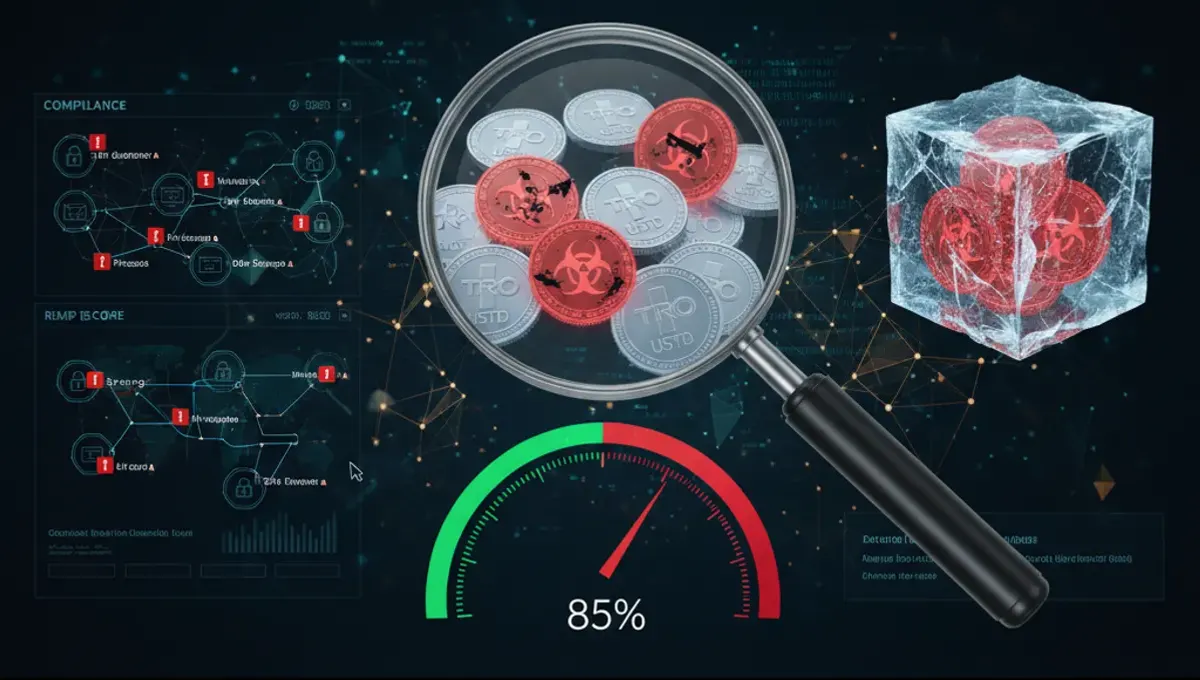
An AML check is a compliance screening that analyzes blockchain transactions and wallet history to identify risk. It answers a simple question: are these coins clean or tainted. Exchanges, custodians, and compliance teams use AML checks to prevent money laundering, terrorist financing, and sanctions violations. For individual users, an AML check before receiving funds can prevent your account from being frozen or your coins from being locked. Regulatory bodies require financial institutions to perform AML checks; crypto exchanges enforce the same standard to avoid penalties. A single transaction linked to a mixer or darknet market can flag your entire wallet as high-risk, even if you didn't know the source.
How the AML Check Process Works
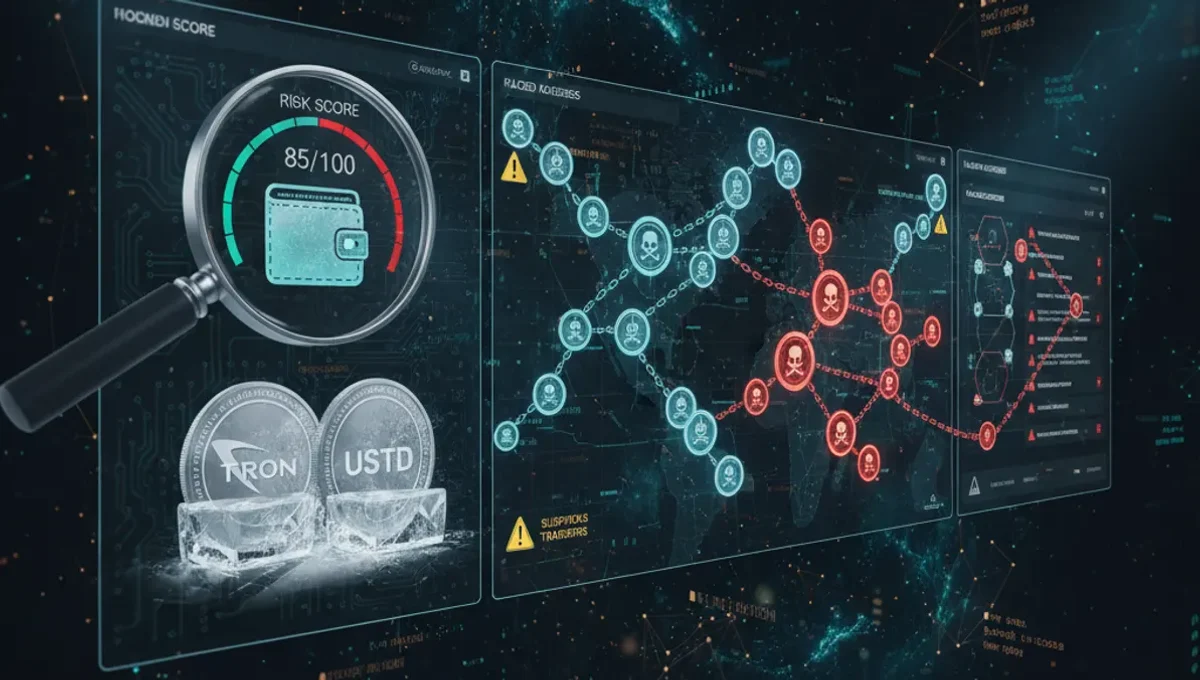
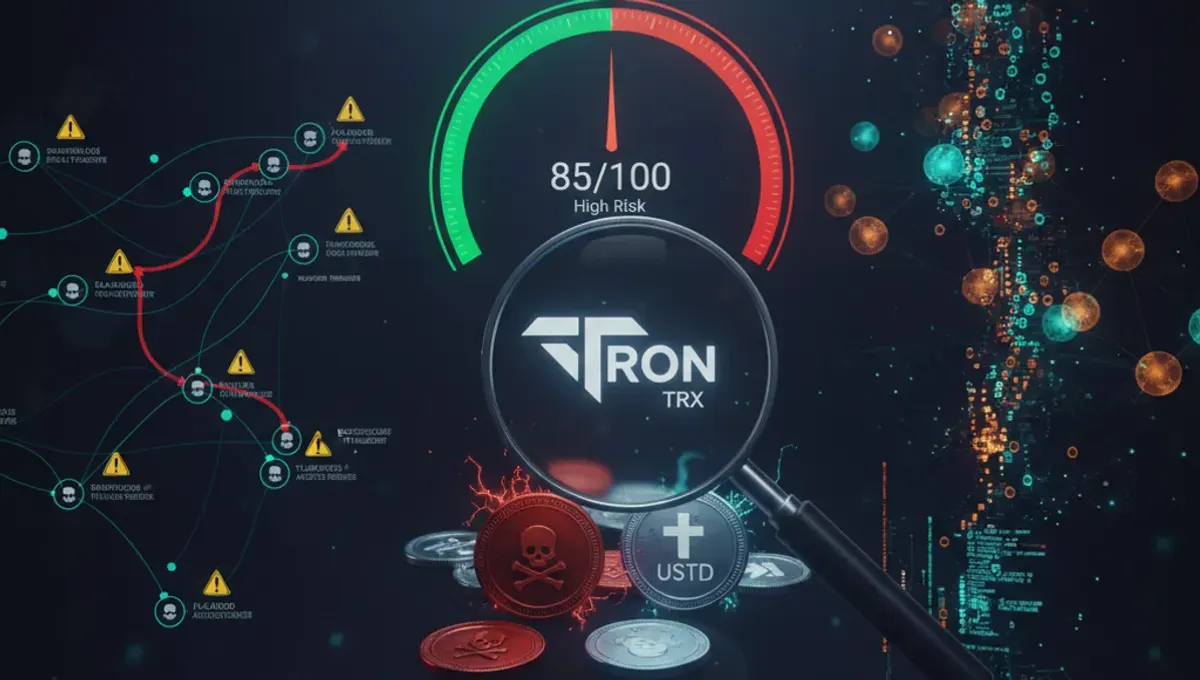
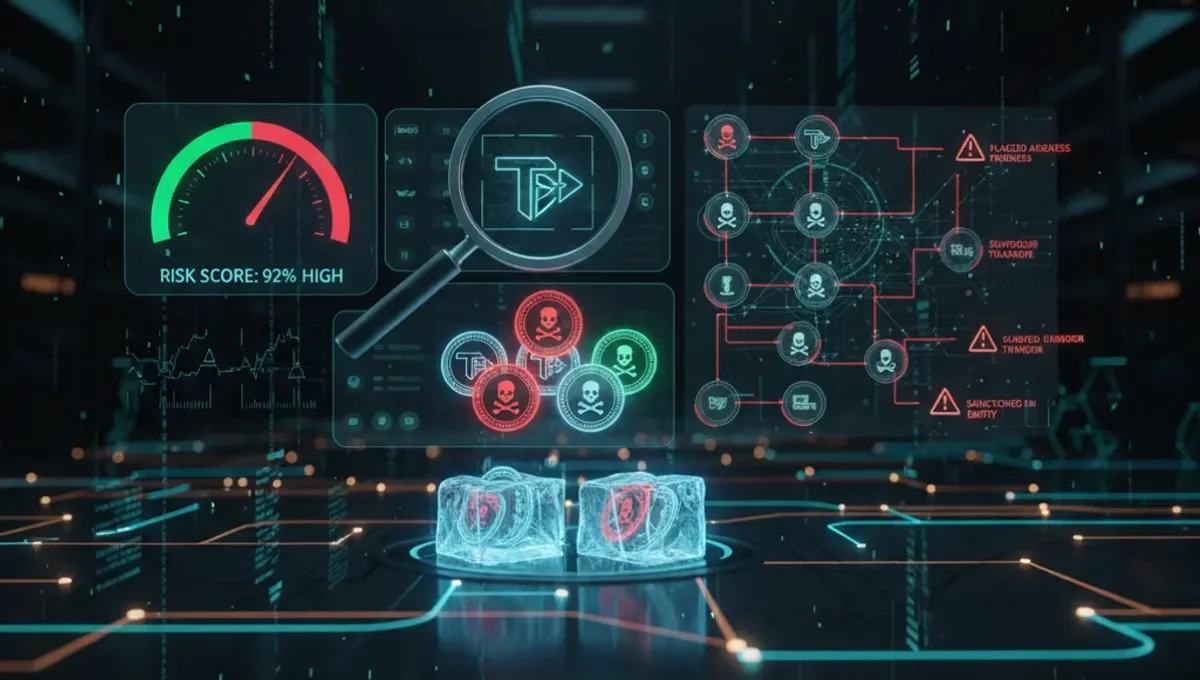
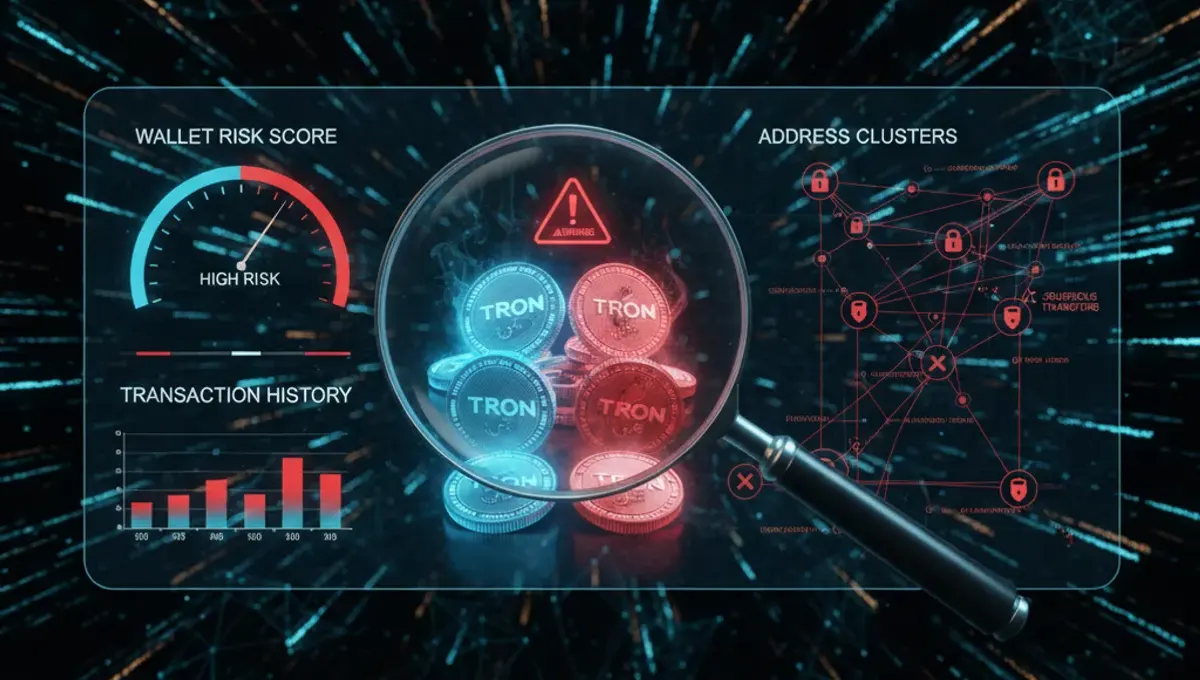
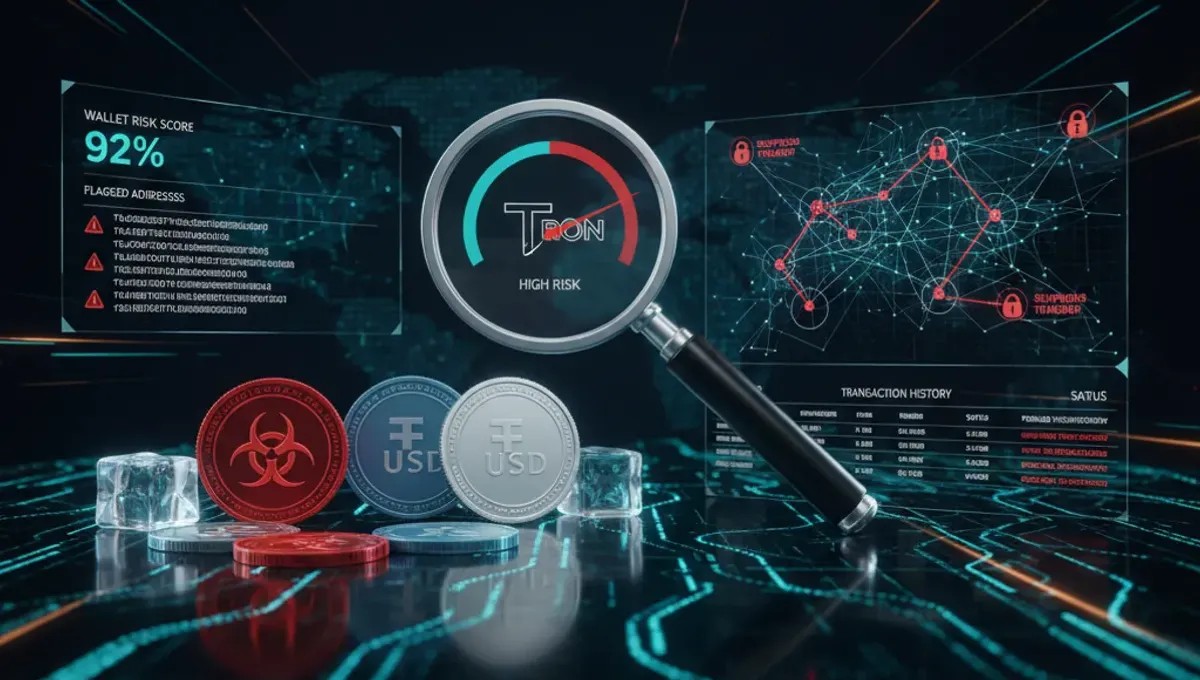
The AML check process follows these steps: first, the wallet address or transaction is submitted to a blockchain analytics platform. Second, the system traces the transaction history backward through the blockchain to identify the original source. Third, the platform compares addresses and counterparties against known risk databases, including sanctions lists, darknet market wallets, and theft records. Fourth, a risk score is assigned based on exposure to high-risk categories. Finally, a report is generated showing the risk level and specific findings. The entire process is automated and uses machine learning to detect patterns associated with money laundering. Most AML checks complete in seconds to minutes, though complex transaction histories may take longer.
How Long Does an AML Check Take
Most AML checks complete within seconds to a few minutes. Simple wallets with straightforward transaction histories are screened instantly. Wallets with complex histories, multiple hops through exchanges, or connections to high-risk entities may take longer—up to several hours in rare cases. Exchanges typically run AML checks on deposits and withdrawals in real time; if a transaction is flagged, the exchange may hold the funds pending manual review. The speed depends on the analytics platform's infrastructure and the depth of historical analysis required. For urgent transfers, checking a wallet address before sending funds takes only moments and can prevent costly delays or account freezes later.
AML Check Requirements and Risk Categories
AML checks screen for specific risk categories: mixers and tumblers (services that obscure transaction trails), darknet market wallets, stolen funds, ransomware proceeds, sanctions-listed entities, gambling platforms, and scam addresses. Requirements vary by jurisdiction and institution, but most exchanges require AML checks for deposits above certain thresholds. A wallet may be flagged if it has received funds from any of these sources, even indirectly. Risk scores typically range from low (clean source) to critical (direct darknet or sanctions exposure). Understanding these categories helps you assess whether incoming funds are acceptable. Many businesses set internal thresholds—for example, accepting only low-risk or medium-risk wallets while rejecting critical-risk transfers.
What Is an AML Check Fee and How Much Does It Cost
AML check fees vary by service and usage model. Many blockchain analytics platforms offer free basic checks for individual users, with limits on the number of daily scans. Premium or enterprise plans charge monthly subscriptions or per-check fees, typically ranging from a few dollars to higher amounts for bulk screening. Some exchanges include AML checks in their standard compliance process at no direct cost to users, though the cost is embedded in trading fees or account maintenance. For businesses receiving frequent crypto payments, subscription-based AML services are more cost-effective than per-check pricing. When choosing an AML service, compare not just the fee but also the depth of analysis, update frequency of risk databases, and speed of results. Our curated list of verified AML services on this site can help you find options that match your budget and needs.
How to Check a Wallet Before Receiving Crypto
Before accepting USDT, TRX, BTC, or ETH from an unknown sender, follow these steps: first, obtain the sender's wallet address. Second, visit a trusted AML screening service—our AML Services page lists verified platforms for wallet checks. Third, enter the address and run the scan. Fourth, review the risk score and detailed findings. Fifth, decide whether the risk level is acceptable for your use case. If the wallet shows low or medium risk with no direct darknet or sanctions exposure, it is generally safe to receive funds. If the wallet shows critical risk or direct connections to theft or sanctioned entities, reject the transfer. For business transactions, document the AML check result for compliance records. This simple precaution takes minutes and prevents frozen accounts or regulatory complications.
What Happens When Coins Are Flagged as Tainted
When an AML check flags coins as tainted or high-risk, several outcomes are possible. Exchanges may freeze the deposit pending manual review by their compliance team. If the coins are linked to theft or sanctions, the exchange may permanently reject them and close the associated account. Your own wallet may be flagged by downstream services, making it harder to deposit or withdraw on other platforms. Tainted coins cannot be 'cleaned' through mixing or transfers; the blockchain history is permanent and traceable. If you unknowingly receive tainted funds, the best action is to report it to the exchange and cooperate with their investigation. Regulatory bodies generally do not penalize individuals who receive stolen funds unknowingly, but holding or moving them knowingly can create legal liability. Prevention through pre-transaction AML checks is far simpler than dealing with frozen accounts.
Frequently asked questions
How long does an AML check take on an exchange
Most AML checks on exchanges complete instantly during deposit or withdrawal. Simple wallets are screened in seconds. Complex histories or flagged transactions may trigger manual review, delaying the process by hours or days. Exchanges prioritize speed but also accuracy, so some holds are normal for high-risk addresses.
What does it mean if my wallet fails an AML check
A failed AML check means your wallet or recent transactions show connections to high-risk sources such as mixers, darknet markets, theft, or sanctions. The exchange may freeze your funds pending review or reject the transaction entirely. You can request details from the exchange, but the blockchain history cannot be changed.
Can I use a wallet with a medium-risk AML score
Yes, many businesses accept medium-risk wallets depending on their compliance policy. Medium risk typically means some exposure to high-risk sources but no direct connection to theft or sanctions. Always check your exchange or service's specific thresholds before accepting funds. When in doubt, contact the sender to clarify the transaction source.
Is an AML check the same as KYC
No. AML checks screen wallet addresses and transaction history for risk. KYC (Know Your Customer) verifies the identity of the person behind the wallet. Both are compliance tools, but they serve different purposes. Exchanges typically require both KYC and AML checks.
Do I need to pay for an AML check on my wallet
Many platforms offer free basic AML checks with limits on daily scans. Premium services charge monthly subscriptions or per-check fees. Exchanges include AML checks in their standard process at no direct cost. For frequent checks, subscription services are more economical than per-check pricing.