What Does AML Check Mean in Crypto
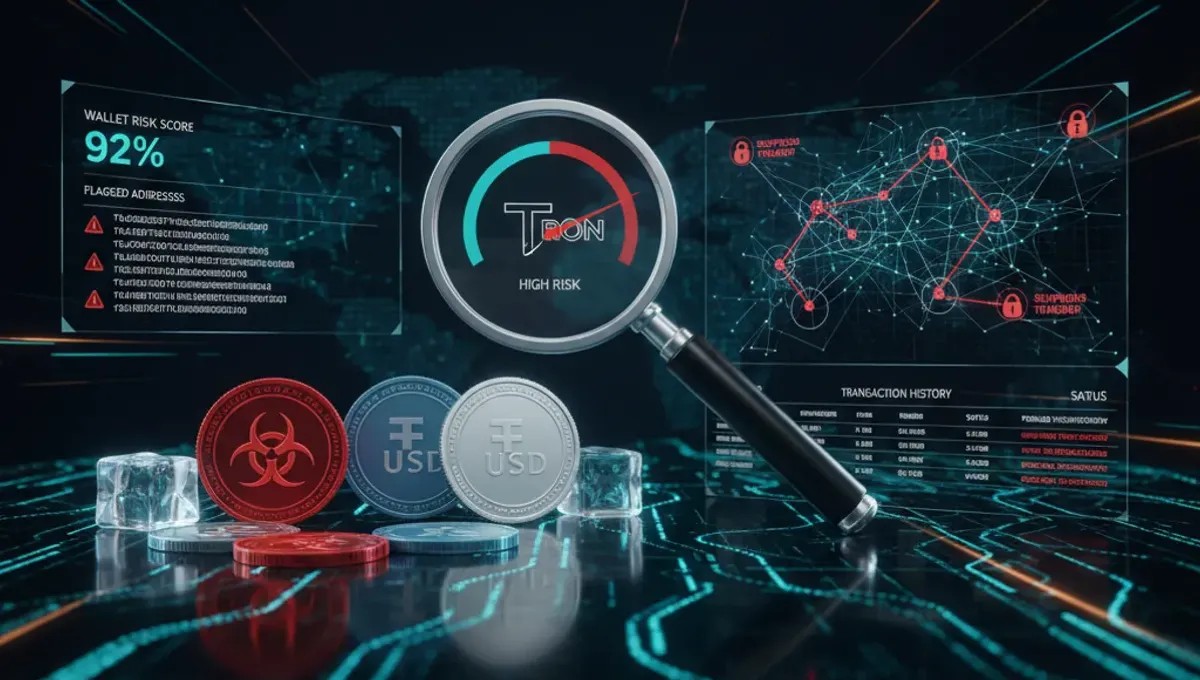
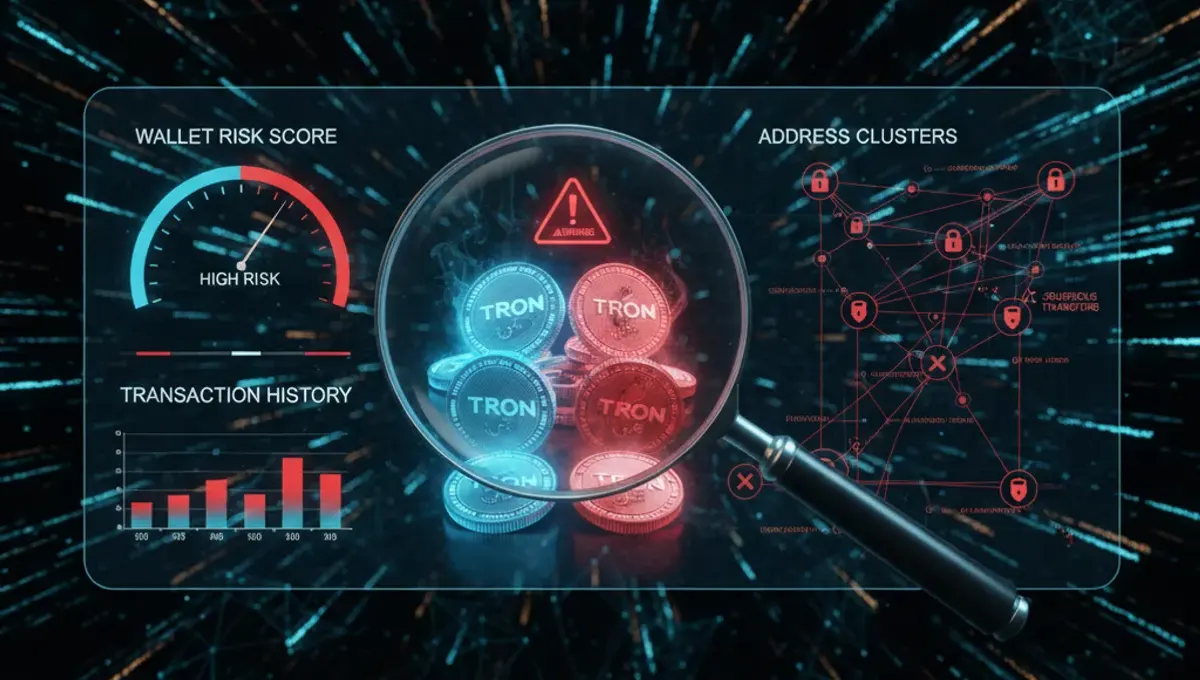
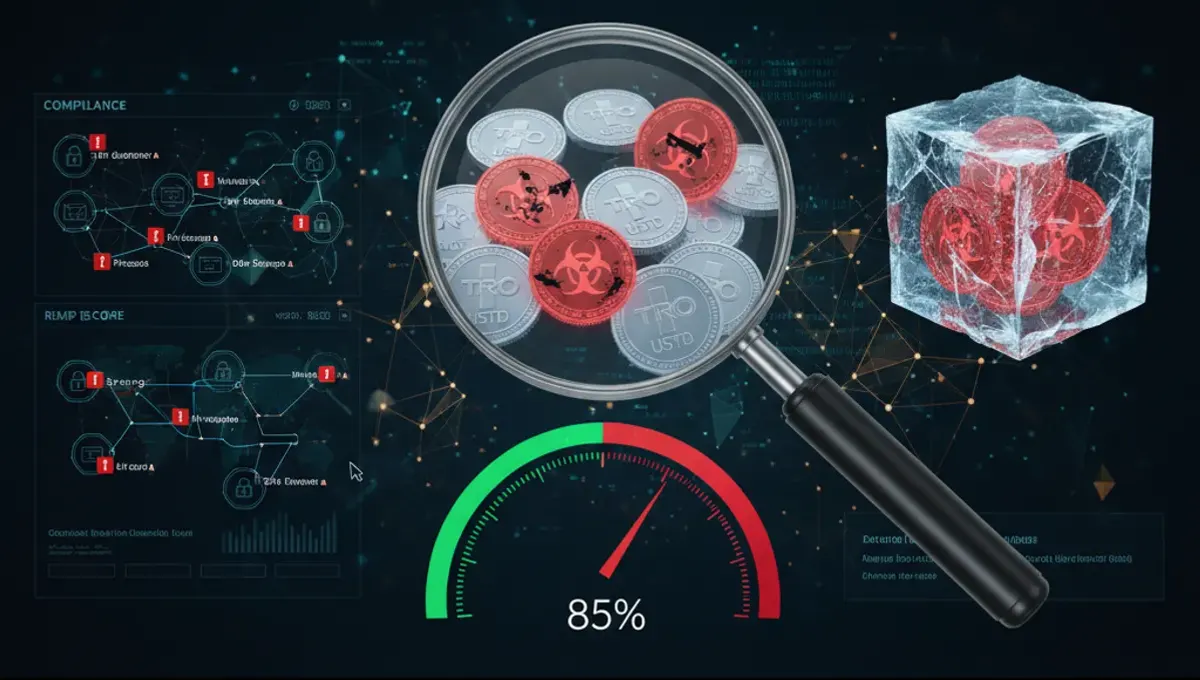
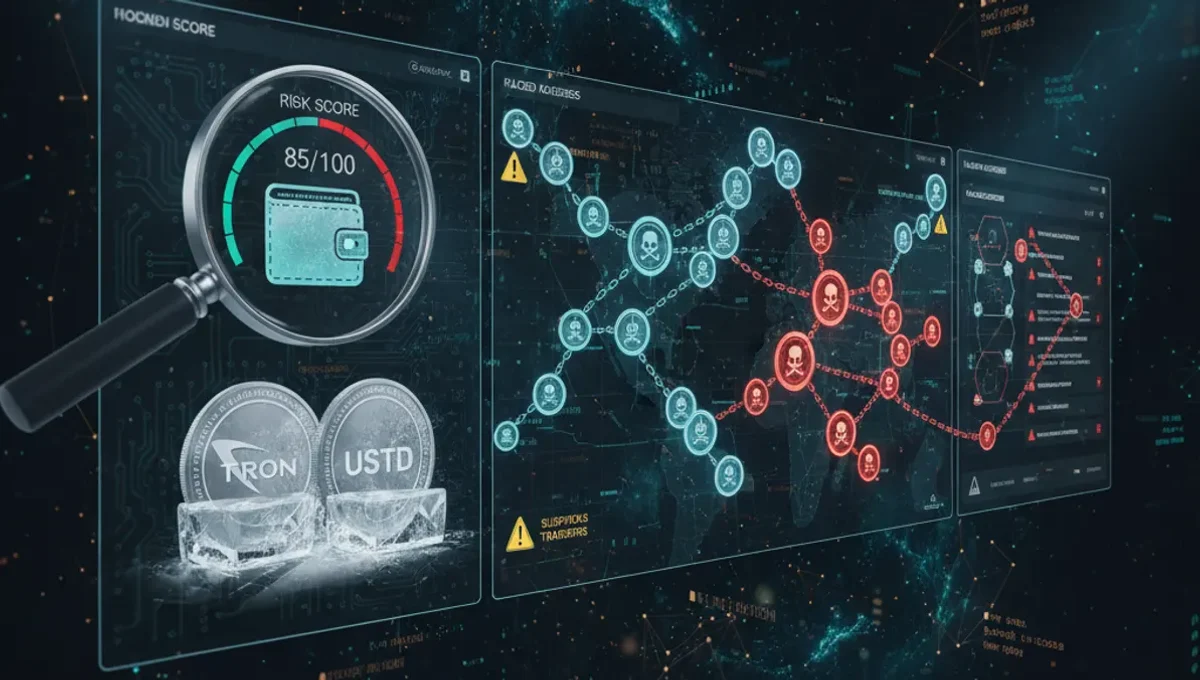
An AML check is a compliance screening that examines a blockchain wallet address for connections to illicit activity, sanctioned entities, and high-risk behavior. It answers the question: is this wallet clean or does it hold tainted coins. The check reviews the wallet's transaction history, counterparties, and on-chain patterns to assign a risk score. In cryptocurrency, AML checks are performed by exchanges, custodians, and individual users before accepting deposits or sending funds. Unlike traditional banking, where AML is mandatory and centralized, crypto AML screening is voluntary but increasingly essential—exchanges freeze accounts and reject deposits from flagged wallets, and receiving tainted USDT or BTC can create compliance headaches later. An AML check meaning in practice: verify the wallet is not connected to mixers, darknet markets, scams, stolen funds, or sanctioned counterparties.
AML Check Process: How It Works Step by Step
The AML check process follows a standard sequence:
- You submit a wallet address (Bitcoin, Tron, Ethereum, etc.) to a screening service.
- The service queries the address against multiple data sources: sanctions lists (OFAC, EU), darknet market databases, mixer transaction records, and scam registries.
- The system traces the wallet's transaction history on-chain, identifying inbound and outbound transfers and their sources.
- A risk score is calculated based on exposure to high-risk categories: gambling, ransomware, stolen funds, sanctioned entities.
- Results are returned with a risk level (low, medium, high) and a breakdown of flagged transactions or counterparties. The entire AML check process typically takes 10–60 seconds for real-time screening. Deeper forensic analysis or manual review can extend the timeline to minutes or hours, but standard wallet checks are near-instantaneous. Most exchanges and compliance teams use automated AML check processes to screen deposits at account opening and during ongoing transaction monitoring.
How Long Does AML Check Take: Real-World Timelines
Real-time AML checks on a single wallet address take 5–30 seconds. This covers basic risk scoring and sanctions list matching. If the wallet is flagged as medium or high risk, additional review may add 1–5 minutes. Batch screening of multiple addresses (common for exchanges processing many deposits) can take longer depending on volume and service load. Exchange-side AML checks during deposit or withdrawal requests typically complete within seconds; if a wallet is flagged, the exchange may freeze the transaction and request manual review, which can take hours or days. For compliance teams conducting deeper due diligence on a counterparty wallet, forensic analysis can take 1–2 hours or more. The key factor affecting how long an AML check takes is the depth of analysis: real-time automated screening is fast; manual investigation is slower. Most users checking a wallet before receiving funds should expect results in under one minute.
AML Check Requirements and What Gets Screened
An AML check requires only the wallet address; no personal information is needed. The service screens the address against these data sources:
- Sanctions lists: OFAC SDN, EU consolidated list, UN designations.
- Darknet databases: known market addresses, mixing services, ransomware wallets.
- Scam and theft registries: reported stolen funds, Ponzi schemes, rug pulls.
- Transaction history: on-chain tracing of inbound and outbound transfers.
- Counterparty risk: whether the wallet has received funds from flagged sources. AML check requirements vary by jurisdiction and institution. Exchanges often require AML screening at account opening (KYC) and on deposits above certain thresholds. Custodians and payment processors mandate AML checks on all counterparties. Individual users are not legally required to perform AML checks, but doing so protects against receiving tainted USDT, frozen accounts, and regulatory scrutiny. The requirements are most stringent in the US, EU, and UK; other jurisdictions have lighter or unenforced standards.
AML Check Fee: Costs and Pricing Models
AML check fees vary widely depending on the service and use case. Many services offer free basic checks for individual users: a single wallet scan costs nothing and returns a risk score in seconds. Enterprise and exchange-grade AML check fees are higher: per-transaction screening may cost $0.01–$0.10 per check, or monthly subscriptions range from $100–$5,000+ for high-volume screening. Some services charge per API call; others charge per flagged wallet or per detailed report. Batch screening and custom integration typically incur higher AML check fees. For most users checking a wallet before receiving crypto, free or low-cost options are available through reputable screening services. The AML check fee model you choose depends on volume: casual users benefit from free checks; exchanges and custodians justify paid enterprise plans for continuous transaction monitoring and compliance reporting. When evaluating services, compare not just the AML check fee but also the data sources, update frequency, and accuracy of risk scoring.
AML Check Crypto: Risk Score Levels and What They Mean
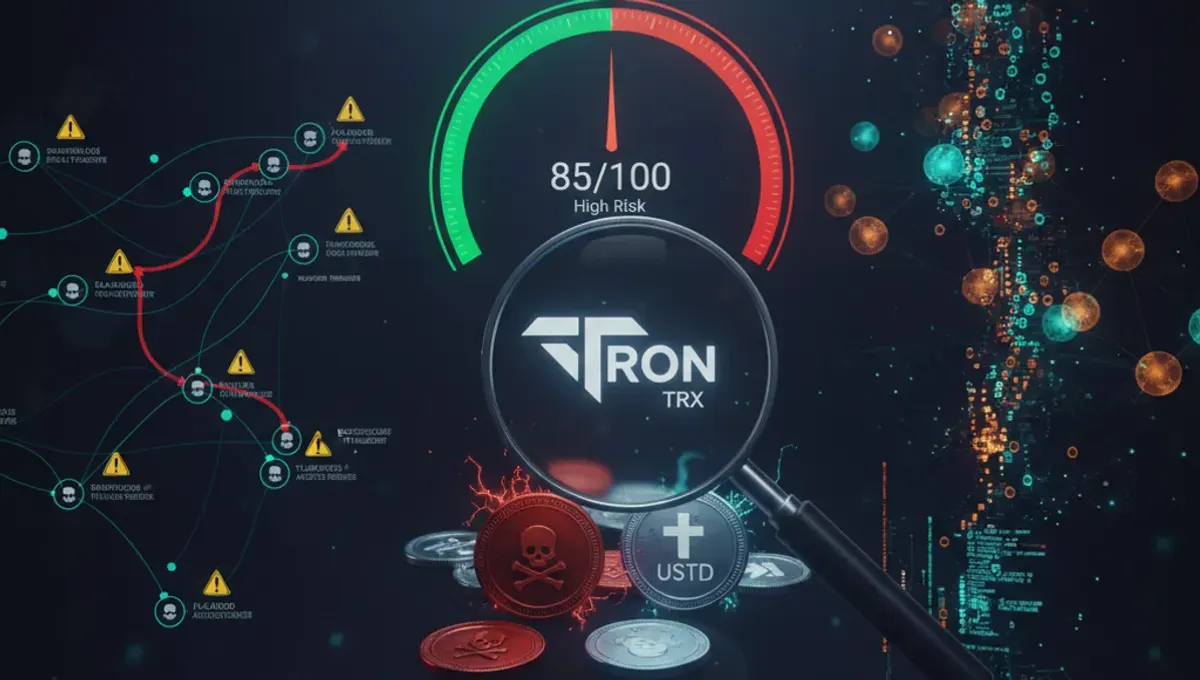
An AML check crypto screening returns a risk score, typically on a scale of 0–100 or categorized as low, medium, high, or critical. Low risk (0–20): the wallet has no known connections to illicit activity, sanctions, or high-risk sources. Medium risk (21–50): the wallet has received funds from mixers, gambling platforms, or other gray-area sources, but no direct sanctions or theft flags. High risk (51–80): the wallet has received stolen funds, ransomware proceeds, or is connected to sanctioned entities. Critical risk (81–100): the wallet is directly linked to darknet markets, active scams, or OFAC-designated counterparties. When you receive an AML check crypto result, a low-risk score means the wallet is safe to transact with. Medium risk warrants caution; you may accept the transfer but flag it for monitoring. High or critical risk means you should reject the transfer or escalate to compliance. Exchanges typically reject deposits from critical-risk wallets and may freeze accounts associated with high-risk addresses. Understanding these thresholds helps you decide whether to accept or refuse incoming USDT, BTC, or TRX.
How to Check a Wallet Before Receiving Crypto
Before accepting a deposit of USDT, BTC, TRX, or ETH, follow these steps:
- Ask the sender for their wallet address.
- Copy the address and verify it matches the sender's stated address (avoid typos or phishing).
- Submit the address to a trusted AML screening service.
- Review the risk score and any flagged transactions or counterparties.
- If the risk is low or medium and acceptable to your risk tolerance, proceed. If high or critical, reject the transfer or escalate to your compliance team.
- Document the AML check result for your records. Most users can complete this process in under two minutes. For exchanges and custodians, this screening is automated at deposit time. For individual users or businesses, using a curated list of verified AML services ensures you're screening against current sanctions lists and darknet databases. The safest starting point is checking wallets through the trusted services listed on our AML Services page, which have been vetted for accuracy and data quality.
Frequently asked questions
How long does an AML check take on a crypto wallet
A standard AML check takes 5–30 seconds for real-time screening. If the wallet is flagged as high risk, additional manual review may add 1–5 minutes. Batch screening of multiple addresses can take longer depending on service load and volume.
What does AML check mean for cryptocurrency
An AML check scans a wallet address against sanctions lists, darknet databases, and theft registries to detect tainted coins and high-risk sources. It assigns a risk score indicating whether the wallet is connected to illicit activity, stolen funds, or sanctioned entities.
Is there a fee for an AML check on crypto wallets
Many services offer free basic AML checks for individual users. Enterprise and exchange-grade screening may cost $0.01–$0.10 per check or $100–$5,000+ per month for high-volume transaction monitoring. Pricing depends on the service model and data depth.
What happens if my wallet fails an AML check
If your wallet is flagged as high or critical risk, exchanges may reject deposits, freeze your account, or request additional documentation. You should investigate the flagged transactions, contact the exchange's compliance team, and consider using a different wallet if the risk is unresolved.
Can I check if a wallet is clean before sending crypto
Yes. Submit the recipient's wallet address to an AML screening service and review the risk score. If the wallet is low risk, it is safe to send funds. If high or critical risk, contact the recipient to verify the address or use an alternative wallet.