What Is AML and Why Red Flags Matter in Crypto
AML (Anti-Money Laundering) is a framework of rules and monitoring practices designed to prevent financial crime. In traditional banking, AML teams flag suspicious deposits and transactions. In cryptocurrency, AML red flags work similarly: they identify wallets and addresses that pose compliance or legal risk. What is AML crypto in practice. Exchanges, custodians, and institutional holders use AML screening to detect tainted coins—funds linked to theft, fraud, or sanctions. When you receive crypto flagged with AML red flags, your exchange account may freeze, your withdrawal may be blocked, or you may face questions from compliance teams. Understanding red flags helps you avoid receiving dirty crypto and protects your reputation as a legitimate participant in the ecosystem.
Common AML Red Flags in Cryptocurrency Transactions
Red flags in crypto fall into several categories. Mixer usage is a major signal: coins routed through privacy mixers suggest an attempt to obscure transaction history. Darknet market exposure means the wallet or address has received funds from known darknet marketplaces. Stolen funds flagged by blockchain analytics indicate the coins originated from a confirmed theft or hack. Sanctioned entity connections occur when a wallet transacts with addresses linked to OFAC (Office of Foreign Assets Control) sanctions lists or state-sponsored actors. Gambling and scam exposure means the address received funds from known gambling sites or scam operations. Rapid movement between exchanges or wallets in short timeframes can indicate layering, a money-laundering technique. Unusual transaction volume or value spikes may trigger automated monitoring. Each of these patterns generates a cryptocurrency AML red flag that exchanges and compliance teams use to assess risk.
How AML Risk Scoring Works for Crypto Wallets
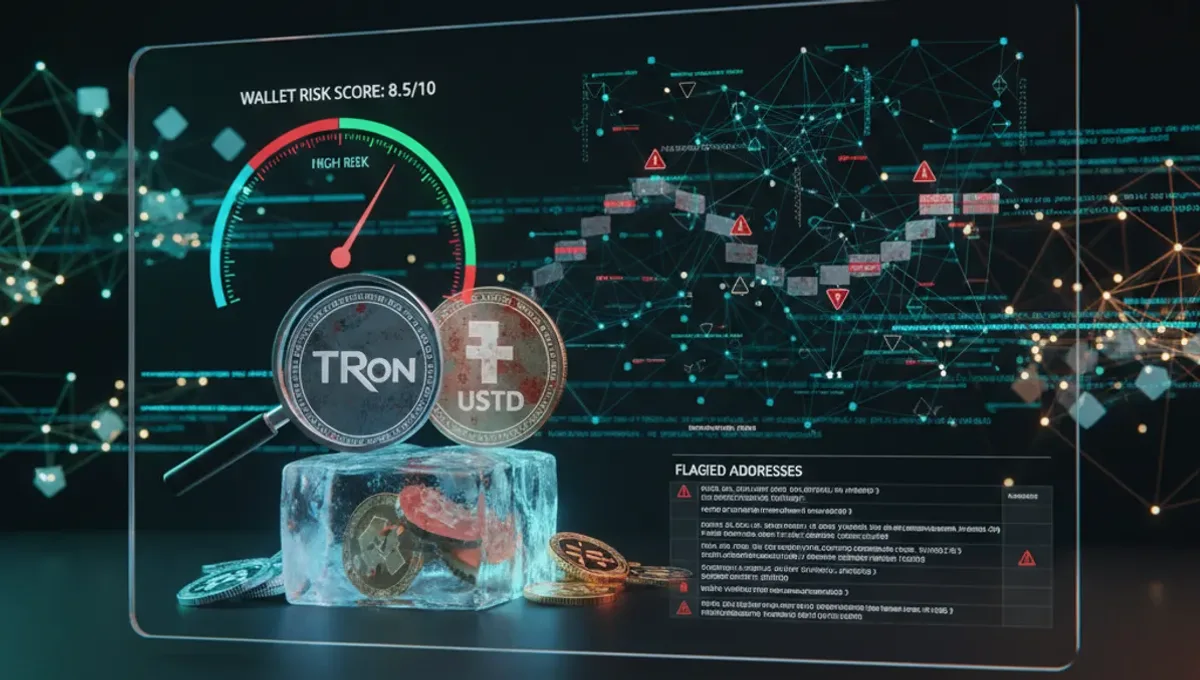
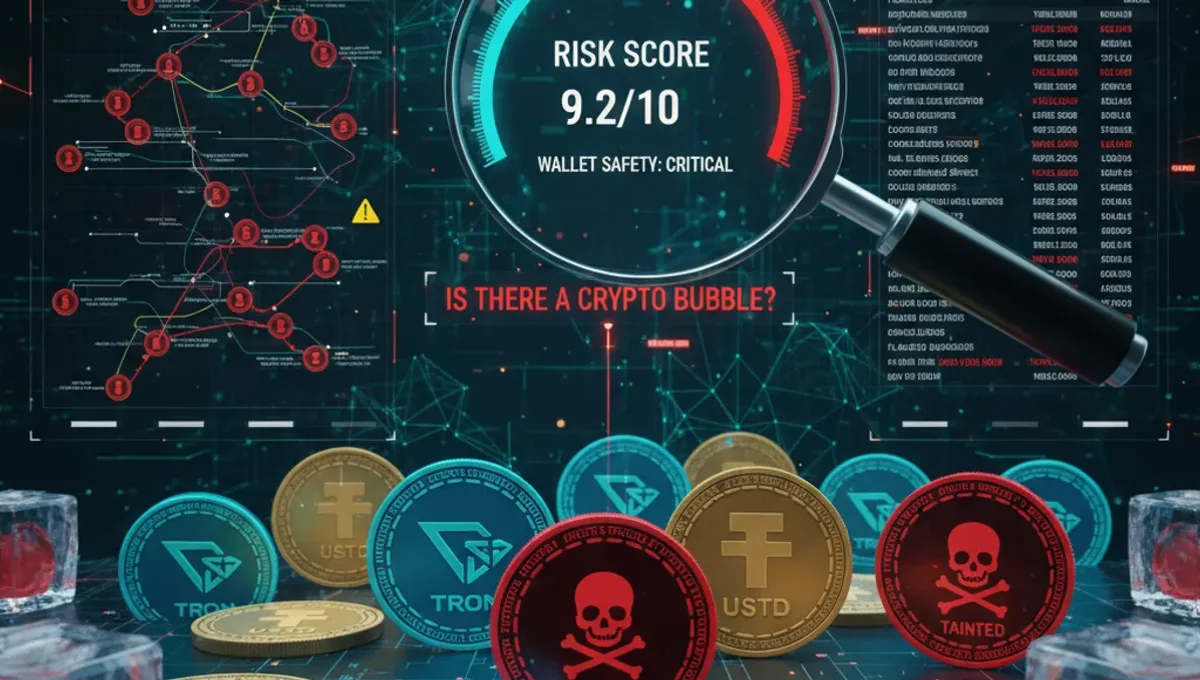
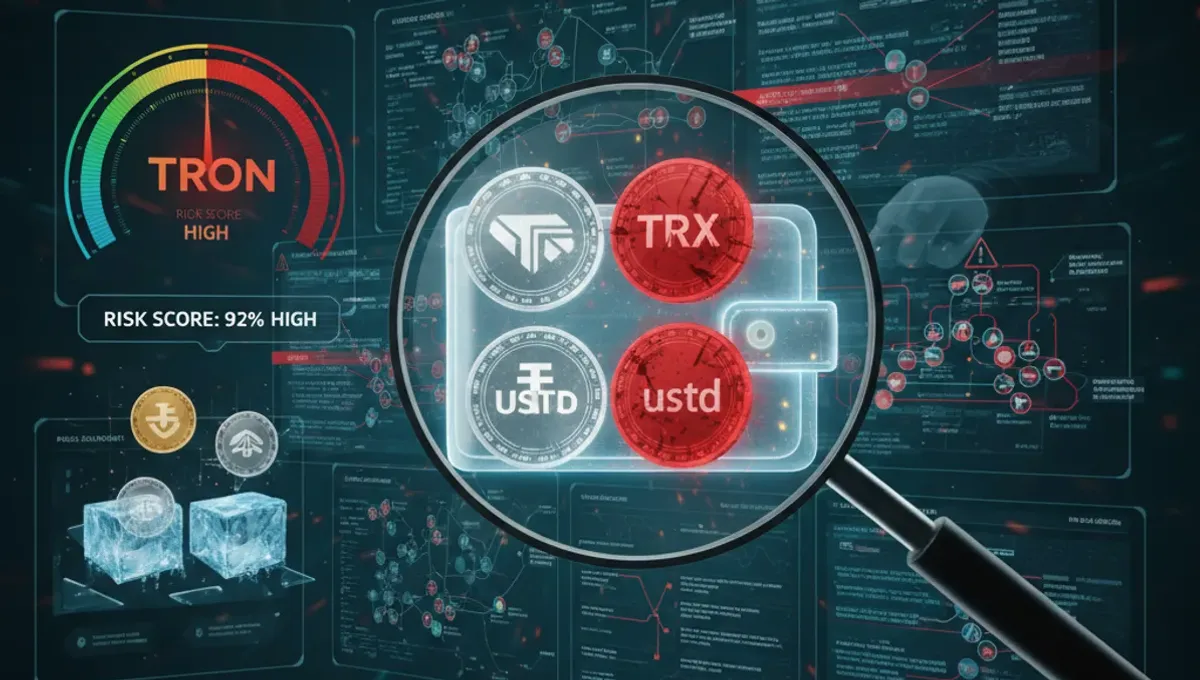
AML risk scores quantify the likelihood that a wallet or transaction involves illicit activity. Blockchain analytics firms assign scores based on transaction history, counterparty connections, and behavioral patterns. A low risk score (typically 0–20) means the wallet has clean history and no known illicit links. A medium risk score (20–60) suggests some exposure to higher-risk activity but not definitive proof of crime. A high risk score (60–100) indicates strong signals of mixer usage, darknet exposure, or sanctions connections. What does AML check mean in scoring terms: it means a comprehensive review of the wallet's on-chain footprint. When you check a wallet before receiving USDT or TRX, you're looking for a low risk score and no major red flags. Most exchanges accept deposits with risk scores below 30–40, though policies vary. Understanding your wallet's risk score helps you anticipate whether an exchange will accept your funds or request additional documentation.
Specific Red Flags: Mixers, Darknet, Sanctions, and Stolen Funds
Mixer exposure is one of the strongest AML red flags. Coins sent through privacy mixers (services designed to obscure transaction trails) are treated as high-risk by most exchanges because mixing is often associated with money laundering. Darknet market exposure means the wallet received funds from addresses known to operate on darknet marketplaces. Sanctions red flags occur when a wallet transacts with addresses linked to OFAC lists, state-sponsored actors, or countries under comprehensive sanctions. Stolen funds are flagged when blockchain analysis confirms the coins originated from a confirmed theft, exchange hack, or ransomware payment. Gambling and scam exposure indicates the wallet received funds from known gambling operations or scam addresses. Each of these categories triggers automated alerts in compliance systems. A single major red flag can result in account freezes or withdrawal blocks, even if the wallet owner was not directly involved in the illicit activity. This is why checking a wallet's history before receiving crypto is essential.
How to Check a Wallet for AML Red Flags Before Receiving Crypto
Before you receive USDT, TRX, BTC, or ETH, verify the sender's wallet for red flags. Step 1: Obtain the sender's wallet address. Step 2: Use a blockchain analytics or AML screening service to scan the address. Step 3: Review the risk score and flag summary. Step 4: Check for specific red flags: mixer exposure, darknet connections, sanctions links, or stolen funds. Step 5: If the risk score is below 30–40 and no major red flags appear, the wallet is generally safe. If red flags are present, ask the sender for clarification or decline the transfer. What is a safe crypto wallet: one with a low AML risk score, no mixer exposure, no darknet history, and no sanctions connections. Most institutional-grade AML services provide detailed reports showing transaction history, counterparty analysis, and risk factors. For Tron addresses specifically, check the TRC20 token history and any cross-chain bridge activity, as these can introduce additional risk vectors.
What Happens When Your Wallet Is Flagged with AML Red Flags
If your wallet receives a high AML risk score or is flagged with red flags, several outcomes are possible. Your exchange deposit may be held pending manual review by compliance teams. Your withdrawal request may be blocked until you provide additional documentation or explanation. Your account may be frozen if the exchange determines the risk is too high. In severe cases (sanctions exposure, stolen funds), your account may be permanently closed and funds returned or seized. Exchanges typically notify you via email and provide a window to respond. If you received tainted coins unknowingly, explain the source and provide evidence of legitimate intent. If the coins are linked to sanctions or theft, most exchanges will not release them. This is why checking a wallet before receiving crypto is your best defense. If you're concerned about your wallet's status, review your transaction history and use an AML screening service to identify any red flags you can address proactively.
Acceptable AML Risk Thresholds and Best Practices
Most exchanges accept deposits with AML risk scores below 30–40, though policies vary by institution and jurisdiction. A risk score below 20 is considered very low risk. A score between 20–40 is generally acceptable but may trigger additional review. A score above 60 is high-risk and likely to be rejected or frozen. Best practices: always verify the sender's wallet before accepting large transfers. Use a trusted AML screening service to check addresses. Avoid receiving funds from mixers, darknet markets, or sanctioned entities. Keep detailed records of your transaction sources in case compliance teams request documentation. If you operate a business or hold crypto professionally, conduct ongoing transaction monitoring to catch red flags early. For Tron address checks and Bitcoin wallet screening, use the same principles: low risk score, no major red flags, and clear transaction history. Our curated list of verified AML services on this site provides trusted tools for wallet screening and can help you establish a consistent compliance routine.
Frequently asked questions
What is AML crypto and how does it detect red flags?
AML crypto refers to Anti-Money Laundering screening applied to blockchain transactions and wallets. It detects red flags by analyzing transaction history, counterparty connections, and behavioral patterns using blockchain analytics. Red flags include mixer usage, darknet exposure, sanctions links, and stolen funds. Exchanges use AML screening to assess risk before accepting deposits.
What does AML check mean when I receive a crypto transfer?
An AML check is a compliance review of a wallet or transaction to assess financial crime risk. When you receive crypto, the exchange or custodian runs an AML check on the sender's address to verify it has no major red flags. If the check reveals high risk, your deposit may be frozen or rejected pending manual review or additional documentation.
How do I check if a Tron address or Bitcoin wallet has AML red flags?
Use a blockchain analytics or AML screening service to scan the address. Enter the wallet address, and the service will return a risk score and flag summary. Check for mixer exposure, darknet connections, sanctions links, and stolen funds. A risk score below 30–40 is generally acceptable. Most verified AML services provide detailed reports showing transaction history and counterparty analysis.
What are cryptocurrency AML red flags I should avoid?
Major red flags include mixer usage (privacy mixing services), darknet market exposure, sanctions entity connections, stolen funds, gambling and scam exposure, and rapid exchange-to-exchange movement. Receiving funds from addresses with these red flags can result in frozen accounts, withdrawal blocks, or exchange bans. Always verify the sender's wallet before accepting large transfers.
What is a safe crypto wallet in terms of AML compliance?
A safe crypto wallet has a low AML risk score (below 30–40), no mixer exposure, no darknet history, no sanctions connections, and a clear transaction history. It should be associated with legitimate sources and institutional-grade custody or exchange accounts. Before receiving funds, check the sender's wallet using a trusted AML screening service to confirm it meets these criteria.