What Is Blue Wallet and How Does Balance Checking Work
Blue Wallet is a mobile cryptocurrency wallet that supports multiple blockchain networks and tokens. The balance display shows your total holdings across all assets stored in that wallet. To view your balance, simply open the app and look at the main account screen, which updates in real time as transactions confirm on the blockchain. Your balance reflects only the coins you control with your private keys stored in the app. Unlike exchange accounts, wallet balances are not frozen by third parties unless the coins themselves are flagged as tainted or the address is linked to sanctions lists. Understanding your balance is the first step; verifying the source and risk profile of those coins is equally important.
Why You Need to Check Your Crypto Wallet for AML Risk
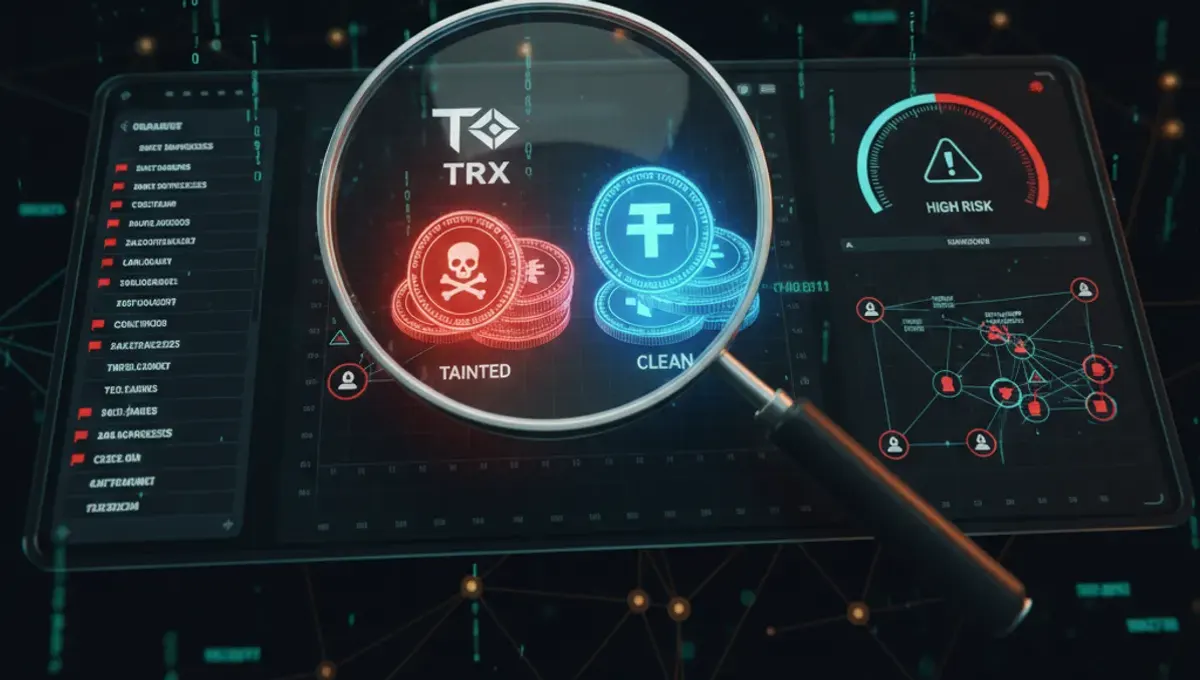
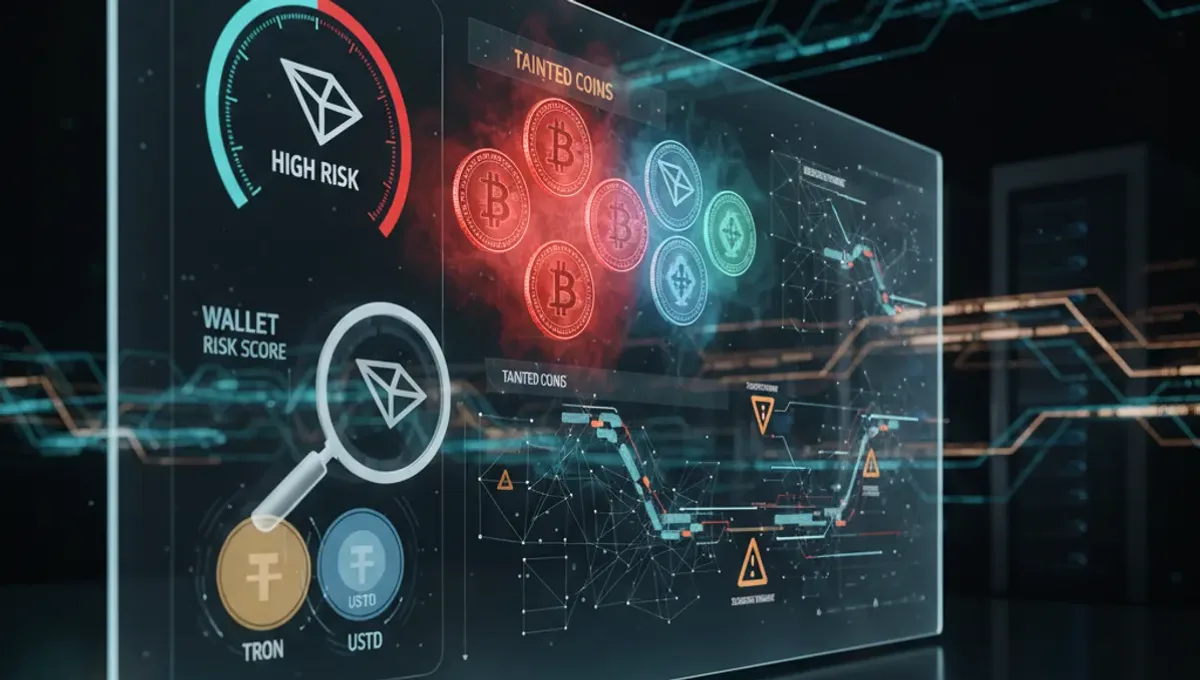
Receiving tainted cryptocurrency can expose you to legal and financial consequences. Coins may be flagged as dirty if they originate from mixers, darknet markets, theft, scams, or sanctioned entities. When you receive such coins, exchanges may freeze your account or refuse to process withdrawals. An AML check crypto wallet scan reveals the transaction history and risk score of your address and incoming funds. This screening is not paranoia—it is due diligence. By running an AML wallet check before accepting large transfers or before moving coins to an exchange, you avoid the costly mistake of depositing flagged assets. Compliance teams at major exchanges now routinely screen deposits, so proactive checking saves you time and prevents account locks.
How to Run an AML Check on Your Blue Wallet Address
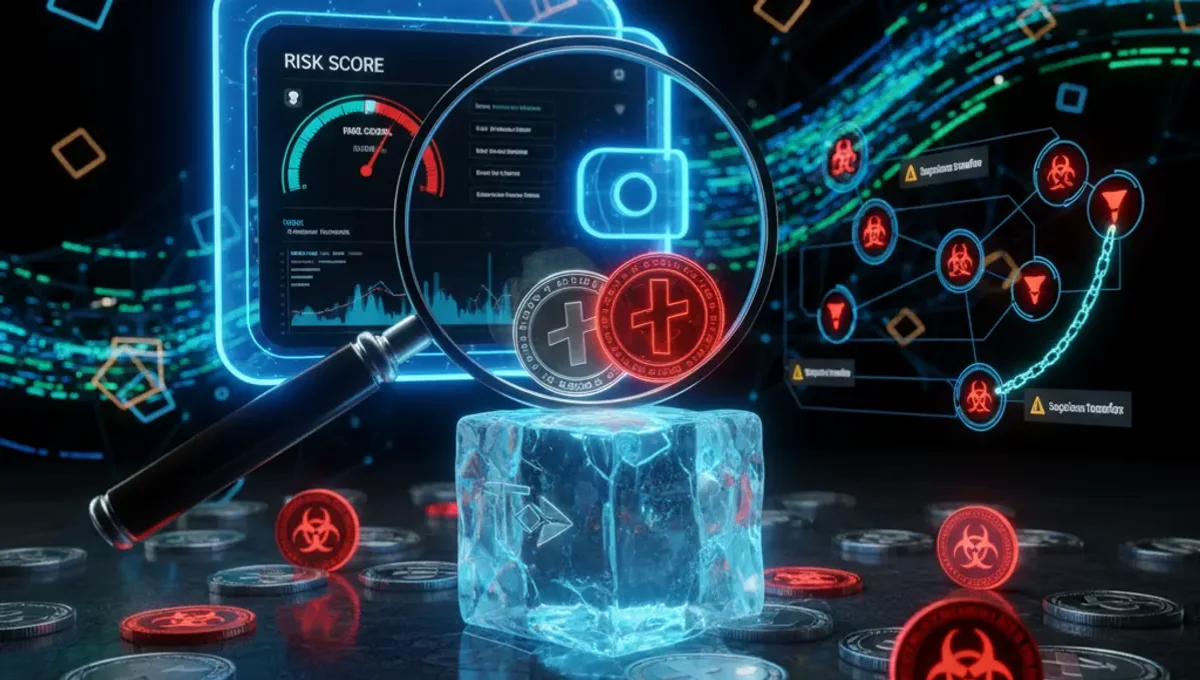
To screen your Blue wallet for risk, you need your wallet's public address. In Blue Wallet, copy your receiving address from the app. Then visit a trusted AML screening service—our curated list of verified AML services on this site includes tools that accept wallet addresses and return detailed risk reports. Enter your Blue wallet address into the service's search field. The tool will analyze the address's transaction history, flag any connections to known high-risk sources, and assign a risk score. Results typically include details on whether coins are linked to mixers, darknet activity, stolen funds, or sanctions lists. The entire process takes seconds to minutes. A low risk score means your coins are clean; a high score warrants caution before moving them to an exchange or spending them.
Understanding Crypto Wallet AML Check Results and Risk Scores
AML check results display a risk score, usually on a scale from low to high or as a percentage. A low risk score (typically under 20%) indicates the address and its transaction history have minimal exposure to illicit activity. Medium risk (20–60%) suggests some connection to higher-risk sources but not necessarily illegal activity—for example, coins may have passed through a privacy mixer. High risk (above 60%) flags serious concerns such as direct links to darknet markets, theft reports, or sanctioned entities. Beyond the score, results show specific risk categories: mixer exposure, darknet connections, scam reports, stolen funds, and sanctions matches. Review these categories carefully. Even a single high-risk flag may be enough reason to avoid depositing those coins on a regulated exchange. Risk scores are not legal judgments; they are data-driven indicators to inform your decision.
Step-by-Step: Checking Your Blue Wallet Before Receiving Funds
- Open Blue Wallet and copy your public receiving address.
- Before accepting a transfer, ask the sender for their wallet address.
- Visit a verified AML service from our trusted list and search the sender's address.
- Review the sender's risk score and transaction history.
- If the sender's address shows high risk, decline the transfer or request funds from a different source.
- Once you receive funds, run an AML check on your own address to confirm the incoming coins are clean.
- Wait for blockchain confirmation (typically 1–3 blocks for most networks).
- If your balance shows new coins with a high risk score, consider moving them to a separate address or consulting a compliance specialist before depositing to an exchange.
- Keep records of all AML checks for your own compliance documentation.
- Only move coins to an exchange once you have confirmed they carry low or acceptable risk.
What to Do If Your Blue Wallet Is Flagged as High Risk
If an AML check reveals your wallet has a high risk score, do not panic—but act carefully. First, review the specific risk flags to understand why the address was flagged. If the coins were inherited or received from someone else, you may not be responsible for their history. However, exchanges will still refuse to process them. Your options include:
- keeping the coins in your wallet offline and not attempting to deposit them;
- consulting a blockchain forensics expert to understand the exact source;
- if the coins are stolen and you are the victim, reporting the theft to law enforcement;
- in rare cases, requesting a review from the AML service if you believe the flag is incorrect. Do not attempt to launder flagged coins through mixers—this is illegal and will only increase their risk score. The safest path is to avoid receiving high-risk coins in the first place by screening senders beforehand.
Best Practices for Keeping Your Blue Wallet Clean
Maintain a clean wallet by being selective about who sends you funds. Before accepting transfers, especially large ones, ask the sender about the coin source and run an AML check on their address. Use our verified AML services list to screen addresses quickly and reliably. Never accept coins from unknown sources, darknet marketplaces, or unverified sellers. If you receive unsolicited transfers, investigate them immediately. Keep your wallet address private to reduce the risk of receiving stolen or mixed coins. Regularly audit your wallet's transaction history and risk score, particularly if you plan to deposit coins on an exchange. Document all AML checks you perform for your own compliance records. If you operate a business that accepts cryptocurrency, implement mandatory AML screening for all incoming transfers. These practices protect your funds, your reputation, and your compliance standing.
Frequently asked questions
Can I check my Blue wallet balance without opening the app
Yes. You can view your Blue wallet balance on a blockchain explorer by entering your public wallet address. Search your address on the explorer for your network (e.g., Tron, Bitcoin, Ethereum), and it will display your balance and transaction history. This method does not require the app but is read-only.
How often should I run an AML check on my crypto wallet
Run an AML check before accepting large transfers, before depositing coins to an exchange, and periodically if you hold significant balances. If you receive coins from new or unknown sources, check immediately. Regular screening—monthly or quarterly—is prudent for active traders and businesses.
What does a high risk score mean for my wallet balance
A high risk score indicates your address or incoming coins are linked to illicit activity, mixers, darknet markets, theft, or sanctions. Exchanges may freeze deposits containing high-risk coins. Do not assume you are guilty; review the specific flags. If coins are flagged but legitimate, consult a compliance expert before depositing them.
Is it illegal to receive tainted cryptocurrency
Receiving tainted coins is not inherently illegal if you did not knowingly participate in the crime. However, knowingly accepting stolen or sanctioned funds is illegal in most jurisdictions. Exchanges will refuse to process high-risk coins regardless of intent, so screening before receiving is the safest approach.
Can I use Blue Wallet to check someone else's balance
No. You can only view balances for addresses you control in Blue Wallet. To check another person's balance or run an AML screening on their address, use a blockchain explorer or an AML check service with their public wallet address.