Why Stolen Crypto Is Hard to Recover
Cryptocurrency theft differs fundamentally from bank fraud because transactions cannot be reversed. Once funds leave your wallet, they exist on an immutable ledger. However, every transaction is traceable on the blockchain—the thief's movement of your coins leaves a permanent record. The challenge is that crypto wallets are pseudonymous; a wallet address reveals no identity unless it's linked to a known exchange or service. If a thief immediately moves stolen funds through mixers, tumblers, or decentralized exchanges, the trail becomes obscured. Speed matters: the longer stolen crypto sits in a traceable wallet, the better your chances of recovery through exchange freezes or law enforcement action. Many exchanges now use transaction monitoring and KYT (Know Your Transaction) tools to flag suspicious inflows, which can halt stolen funds before they're withdrawn.
Can Crypto Transactions Be Traced?
Yes, every crypto transaction can be traced on the blockchain. Each Bitcoin, Ethereum, Tron, or other blockchain transaction creates a permanent record linking wallet addresses, amounts, and timestamps. Blockchain analytics firms use this data to map transaction flows and identify patterns. However, tracing doesn't equal identifying: a wallet address is just a string of characters until it's connected to a real person through an exchange account, payment processor, or on-chain activity. If stolen crypto moves to a regulated exchange and the thief tries to withdraw, the exchange's KYC (Know Your Customer) verification can reveal their identity. If funds go to a decentralized exchange or mixer, the trail fragments. Law enforcement and specialized blockchain forensics teams can follow complex transaction chains across multiple wallets and services. The FBI and other agencies have recovered stolen crypto by tracing it through exchanges and pressuring platforms to freeze accounts linked to theft.
Immediate Steps After Discovering Theft
Act within hours of discovering your crypto was stolen. First, secure any remaining assets: change passwords, enable two-factor authentication on all accounts, and move unaffected funds to a new, secure wallet. Second, document everything: take screenshots of your wallet, transaction history, and any evidence of how the theft occurred. Third, report to the exchange or service where the theft happened; provide transaction IDs and wallet addresses. Fourth, file a report with law enforcement (FBI's IC3 in the US, or your local equivalent) and provide them with the stolen wallet addresses and transaction details. Fifth, report the theft to blockchain analytics services and exchanges; many have fraud reporting channels. Sixth, monitor the stolen wallet address using blockchain explorers to see where funds move. Services like Chainalysis and Elliptic offer public tracking for high-value thefts. The sooner exchanges and authorities know about the theft, the sooner they can flag and potentially freeze the stolen funds.
How Exchanges Freeze Stolen Crypto
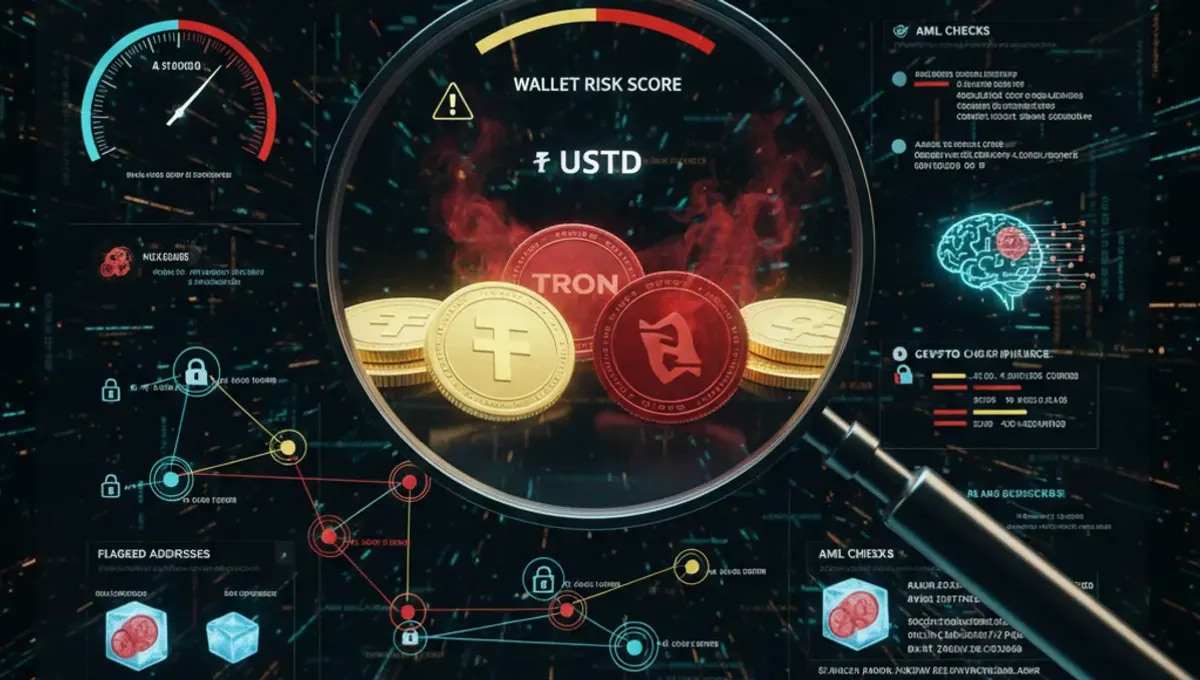
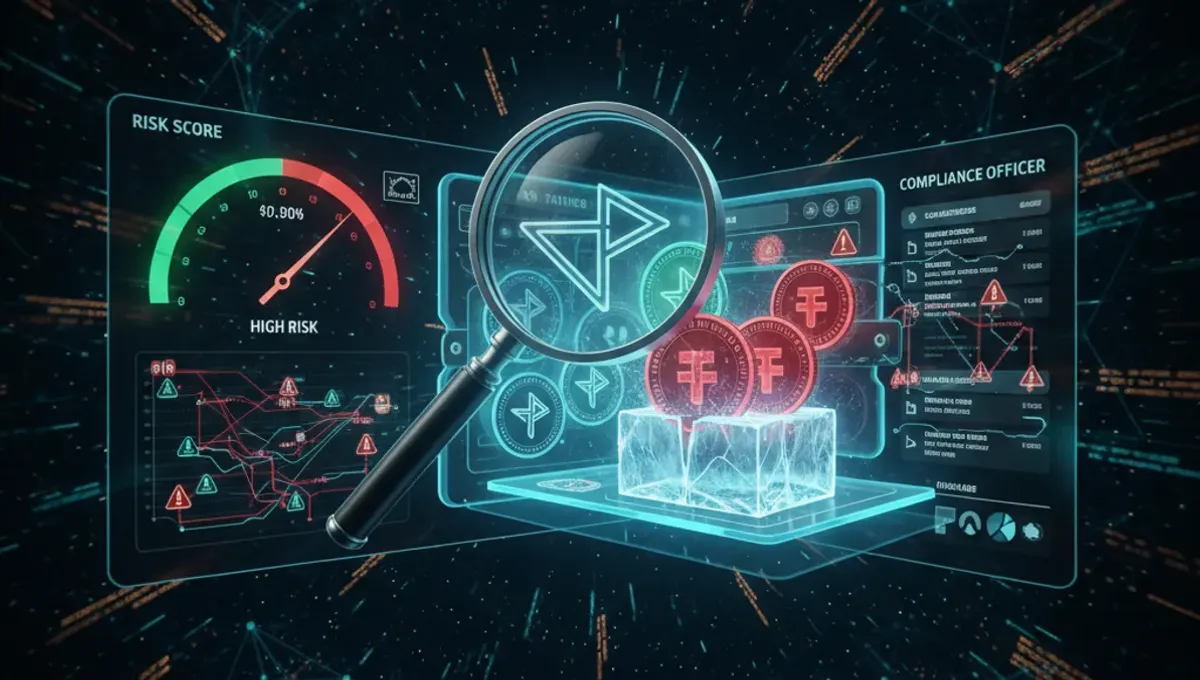
Regulated exchanges use transaction monitoring and AML screening to detect stolen funds. When a wallet address is flagged as connected to theft, exchanges add it to internal watchlists. If someone tries to deposit stolen crypto to that exchange, the system flags the transaction. The exchange can then freeze the account, investigate, and cooperate with law enforcement. This process works because most thieves eventually try to convert crypto to fiat currency, which requires passing through a regulated exchange. Decentralized exchanges (DEXs) and peer-to-peer trades offer no such protection; funds moving through these channels are nearly impossible to recover. Some exchanges have recovered and returned stolen crypto to victims when law enforcement provided court orders. However, if the thief moves funds through multiple wallets, mixers, and DEXs before depositing to an exchange, the connection to the original theft becomes harder to prove. Frozen USDT and other stablecoins on Tron or Ethereum networks can sometimes be recovered if the exchange cooperates, but this requires legal action and proof of theft.
Using KYT and Blockchain Analytics to Track Stolen Funds
KYT (Know Your Transaction) tools monitor blockchain activity in real time and flag suspicious patterns. These services track stolen funds, sanctioned addresses, darknet market wallets, and high-risk sources. If you've been robbed, blockchain analytics firms can help trace your stolen crypto across multiple transactions and wallets. Some services offer free public tracking for high-profile thefts; others require subscription. You can also use blockchain explorers like Etherscan or Tronscan to manually follow your stolen wallet address and see where funds move. Look for patterns: if stolen crypto goes to a known exchange deposit address, that's a recovery opportunity. If it goes to a mixer or tumbler, recovery becomes nearly impossible. Law enforcement agencies use professional blockchain forensics to trace complex theft cases; they can follow funds through multiple hops and identify exchanges where the thief attempts withdrawal. Before receiving crypto yourself, use AML wallet screening tools to check incoming addresses for tainted coins or stolen funds—this prevents you from becoming an unwitting receiver of dirty crypto.
Prevention: Checking Wallets Before Receiving Crypto
The best recovery strategy is prevention. Before accepting crypto from any source, verify the wallet address using AML screening. Check whether incoming funds are linked to theft, sanctions, darknet markets, scams, or other high-risk sources. Many exchanges and custodians now require wallet screening before deposits; some freeze accounts that receive flagged funds. Use the verified AML services listed on our AML Services page to screen wallet addresses before transactions. These tools assign risk scores based on transaction history, source, and on-chain behavior. A high-risk score indicates the wallet may hold stolen or tainted coins. If you receive crypto flagged as dirty, exchanges may freeze your account or require you to prove the funds' legitimacy. This can delay withdrawals or result in permanent account closure. By screening wallets upfront, you avoid receiving stolen crypto and the compliance headaches that follow. For businesses and frequent traders, transaction monitoring is essential to maintain clean compliance records.
When Recovery Is Unlikely
Recovery becomes nearly impossible once stolen crypto passes through certain channels. Mixers and tumblers deliberately obscure transaction trails by combining funds from many sources and redistributing them randomly. Once crypto enters a mixer, tracing it to its destination is extremely difficult. Darknet markets also make recovery unlikely; stolen funds sent to darknet addresses are typically converted to other assets or held indefinitely. Peer-to-peer trades and decentralized exchanges leave no record of the recipient's identity, making it impossible to identify or pressure the thief. If stolen crypto is converted to another cryptocurrency (Bitcoin to Monero, for example), the trail fragments further. Monero and other privacy coins are specifically designed to hide transaction details, making them untraceable. If the thief is in a jurisdiction with weak law enforcement or no extradition treaties, recovery through legal channels is unlikely. In these cases, your only option is to accept the loss, report it for tax purposes, and focus on preventing future theft through stronger security practices.
Frequently asked questions
Can a stolen check be traced like stolen crypto?
Stolen checks can be traced through banking systems and stopped via account freezes, but stolen crypto cannot be reversed. However, crypto transactions are permanently recorded on the blockchain and can be traced to specific wallets. The difference is that checks involve regulated financial institutions with fraud prevention, while crypto relies on exchange cooperation and law enforcement to freeze accounts. Both require quick action to prevent loss.
Can crypto wallets be hacked and drained?
Yes, crypto wallets can be hacked if private keys are exposed, malware steals credentials, or phishing tricks users into revealing access. Hot wallets (connected to the internet) are more vulnerable than cold storage. Once a hacker gains access, they can drain funds instantly. Prevention includes using hardware wallets, strong passwords, two-factor authentication, and never sharing private keys. If hacked, immediately move remaining funds and report the theft to exchanges and law enforcement.
What is KYT crypto and how does it help recover stolen funds?
KYT (Know Your Transaction) is blockchain monitoring that flags suspicious transactions in real time. It identifies stolen funds, sanctioned addresses, and high-risk sources by analyzing transaction patterns and wallet history. Law enforcement and exchanges use KYT to detect when stolen crypto enters regulated platforms, enabling account freezes and potential recovery. KYT also helps you screen incoming wallets before accepting crypto, preventing receipt of tainted coins.
How long do I have to recover stolen crypto?
Recovery chances are highest within hours or days of theft, before stolen funds move through mixers or exchanges. If crypto reaches a regulated exchange, you have a window to report it before withdrawal. After funds pass through decentralized exchanges or mixers, recovery is nearly impossible. Report theft immediately to law enforcement, the exchange, and blockchain analytics services. Delayed reporting significantly reduces recovery odds.
Can exchanges freeze stolen crypto automatically?
Yes, exchanges use transaction monitoring and AML screening to detect stolen funds. When a wallet is flagged as connected to theft, exchanges can freeze deposits and cooperate with law enforcement. However, this only works if stolen crypto reaches a regulated exchange. Decentralized exchanges and peer-to-peer trades offer no such protection. Most thieves try to convert crypto to fiat through exchanges, which is where freezes typically occur.