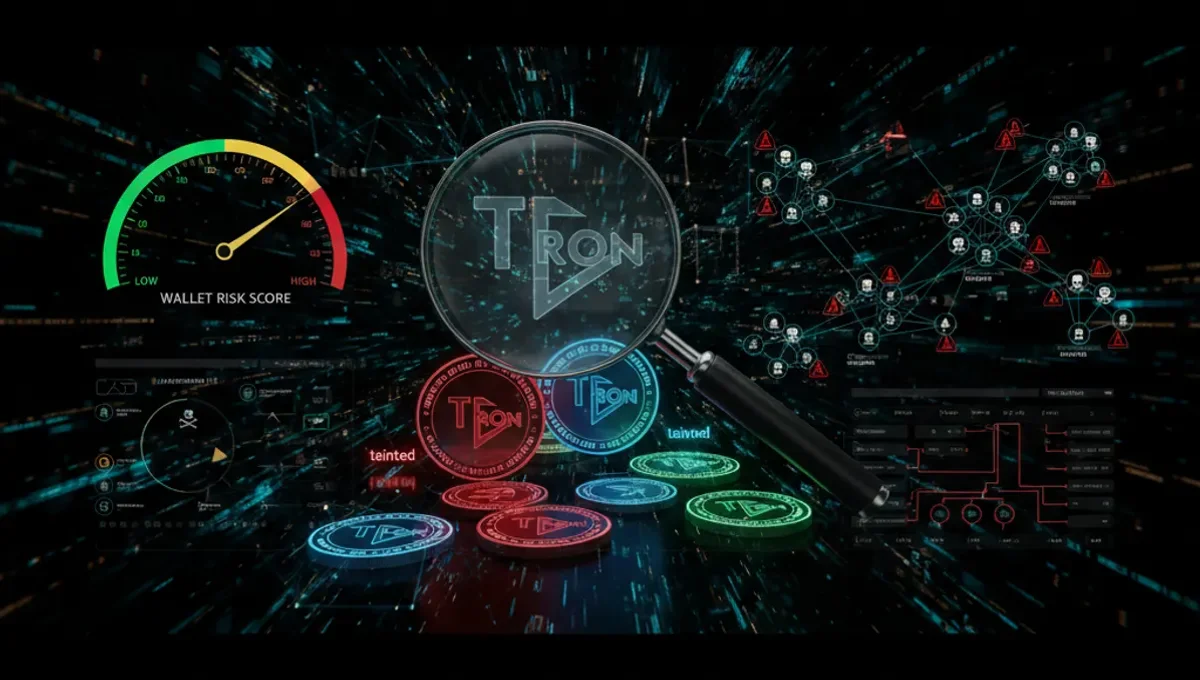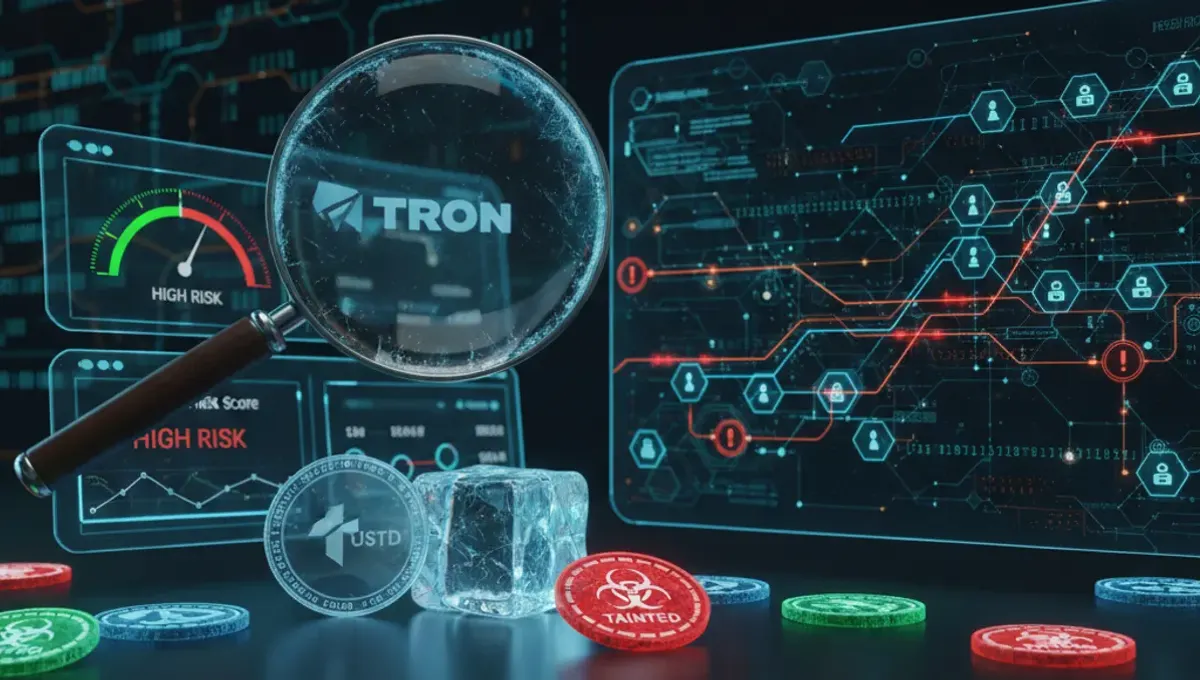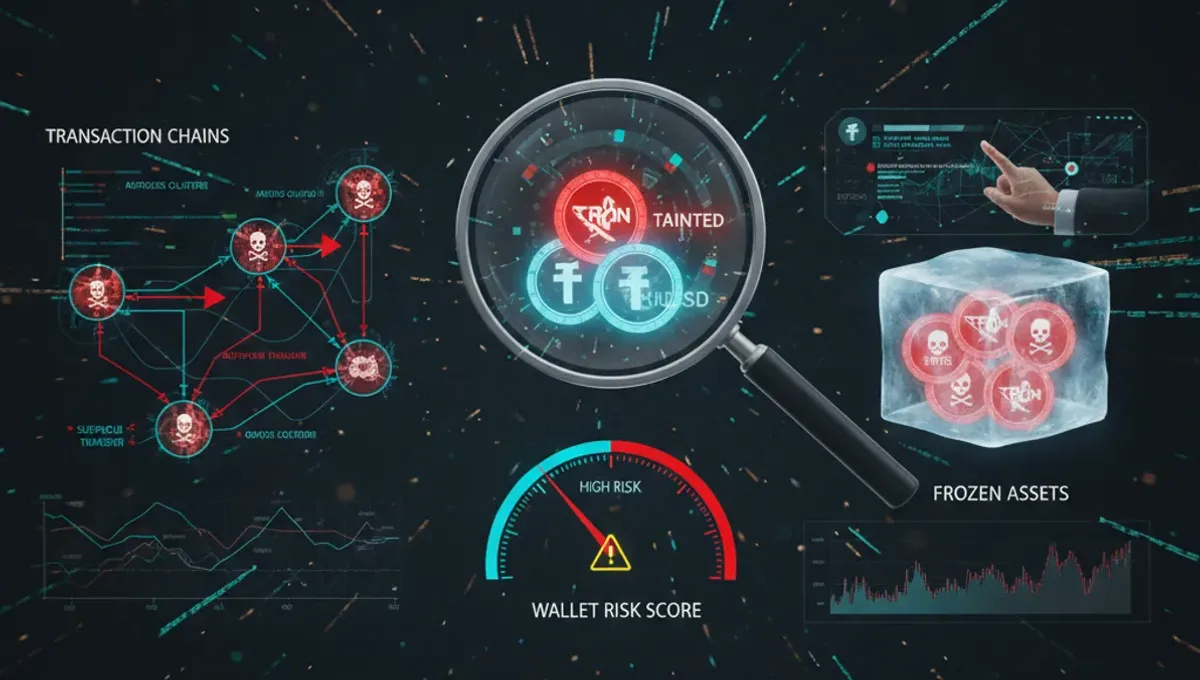
What Is Crypto Transaction Monitoring and Why It Matters
Crypto transaction monitoring scans blockchain transactions as they occur, checking sender addresses against risk databases and compliance frameworks. Unlike a one-time wallet check, monitoring is continuous and proactive. It matters because cryptocurrency transactions are irreversible; once tainted coins arrive in your wallet, exchanges may freeze your account or regulators may investigate your holdings. Blockchain transaction monitoring integrates data from multiple sources: OFAC sanctions lists, known theft databases, mixer and darknet market identifiers, and behavioral risk scoring. Financial institutions and crypto exchanges use it to meet AML (Anti-Money Laundering) and KYC (Know Your Customer) obligations. For individuals, it prevents accidental receipt of stolen or sanctioned funds that could trigger account restrictions or legal complications.
How Blockchain Transaction Monitoring Works
Blockchain transaction monitoring operates in real-time by analyzing on-chain data the moment a transaction is broadcast. The process follows these steps: First, the system identifies the sender and receiver addresses and traces their transaction history. Second, it cross-references both addresses against risk databases including OFAC SDN lists, known theft records, mixer contracts, and darknet market wallets. Third, it assigns a risk score based on factors like transaction size, frequency, mixing activity, and source reputation. Fourth, it flags high-risk transactions and alerts the relevant parties. The monitoring engine stores historical transaction patterns, so repeat activity from the same address increases confidence in risk assessment. Exchanges and wallet providers run these systems continuously, while individuals can check incoming transactions through AML services before accepting large transfers. The entire process typically completes within seconds to minutes of transaction confirmation.
Understanding Risk Scores in Crypto Transaction Monitoring
A risk score quantifies the likelihood that a transaction or address is associated with illicit activity or compliance violations. Scores typically range from 0 (clean) to 100 (high risk), though some systems use percentages or categorical ratings. Low-risk scores (0–20) indicate normal, traceable transaction history with no known sanctions or theft exposure. Medium-risk scores (21–60) suggest some mixing activity, unverified sources, or minor red flags but no definitive violations. High-risk scores (61–100) indicate direct links to darknet markets, sanctioned entities, stolen funds, gambling platforms, or heavy mixer usage. Most exchanges accept transactions with scores below 30 and reject or investigate scores above 70. The threshold depends on your jurisdiction and business model; regulated entities typically use stricter limits. Risk scores are not static; they update as new transaction data emerges and as addresses interact with known risk sources. Understanding your acceptable risk threshold before receiving funds prevents surprises and account freezes.
Crypto Transaction Monitoring Jobs and Career Paths
Crypto transaction monitoring has created specialized roles in compliance, blockchain analytics, and AML operations. Positions include AML analysts who review flagged transactions and investigate suspicious patterns, blockchain investigators who trace fund flows and link addresses to entities, and compliance officers who ensure monitoring systems meet regulatory standards. These roles typically require knowledge of blockchain technology, AML frameworks, OFAC regulations, and sometimes coding skills for data analysis. Salaries vary by location and experience; entry-level AML analysts in crypto start around industry-standard compliance pay, while senior investigators and compliance managers earn significantly more. Many roles are remote, reflecting the global nature of blockchain. Career growth often leads to senior compliance positions, regulatory consulting, or forensic blockchain analysis. If you're interested in this field, familiarity with transaction monitoring tools, OFAC lists, and blockchain explorers is essential. Many employers value certifications in AML, KYC, or blockchain forensics.
Crypto Transaction Fees vs. Monitoring Costs
Crypto transaction fees are the costs paid to miners or validators to process a blockchain transaction; they are separate from monitoring fees. Transaction fees vary by network congestion and gas price and go to the blockchain network, not to monitoring services. Monitoring costs, by contrast, are charged by AML service providers for real-time risk analysis and compliance reporting. Some monitoring services charge per transaction checked (typically a small fee per lookup), while others charge monthly subscriptions for continuous monitoring of multiple addresses or high-volume transaction streams. Individuals checking a single incoming transaction may pay nothing (free tier) to a few dollars per check through third-party services. Exchanges and financial institutions pay higher fees for enterprise-grade monitoring that covers thousands of addresses and integrates with their systems. When evaluating costs, consider the value of avoiding frozen accounts or regulatory fines, which far exceed monitoring fees. The cheapest option is not always the best; accuracy and compliance coverage matter more than price alone.
How to Check a Transaction Before Accepting Funds
Before accepting a large USDT, TRX, BTC, or ETH transfer, follow these steps to monitor and verify the transaction: First, ask the sender for their wallet address and verify it independently (never copy-paste from chat). Second, use a blockchain explorer (e.g., Tronscan for TRX, Etherscan for ETH, Blockchain.com for BTC) to view the sender's recent transaction history and address age. Third, run the sender's address through a trusted AML monitoring service to check for risk scores, sanctions exposure, and known theft links. Fourth, review the risk score result; if it's below your acceptable threshold (typically under 30 for most users), the transaction is likely safe. Fifth, confirm the transaction amount and destination address match what the sender told you. If the risk score is high or the address has mixing activity, darknet links, or sanctioned entity exposure, decline the transaction or ask the sender to clarify the source of funds. Document the monitoring result for your records. This process takes 5–10 minutes and prevents costly mistakes. For ongoing protection, consider using services that offer continuous monitoring of your receiving addresses.
What to Do If Your Received Coins Are Flagged as Tainted
If you receive cryptocurrency flagged as tainted or high-risk, take immediate action to protect your account and legal standing. First, do not spend or transfer the coins; moving them may worsen your compliance exposure. Second, contact the exchange or wallet provider where the coins arrived and report that you received potentially tainted funds unknowingly. Third, gather documentation: the sender's address, the transaction hash, the risk report from your monitoring service, and any communication with the sender explaining the source. Fourth, preserve this evidence for potential regulatory inquiries or account recovery. Fifth, if the coins remain frozen or your account is restricted, work with the exchange's compliance team to resolve the issue; many exchanges will unfreeze funds if you can prove you received them without knowledge of their illicit origin. Sixth, file a report with your local financial regulator if you suspect fraud or sanctions violations. Do not attempt to launder the coins through mixers or other services; this is illegal and will trigger criminal investigation. If the amount is substantial, consult a lawyer familiar with cryptocurrency compliance. Most exchanges are willing to work with users who act transparently and quickly.
Frequently asked questions
What is the difference between crypto transaction monitoring and a one-time wallet check?
Transaction monitoring is continuous and real-time, scanning every incoming and outgoing transfer as it occurs. A one-time wallet check examines a single address at a specific moment. Monitoring catches new risks as they emerge, while a single check is a snapshot. For active traders or high-volume receivers, continuous monitoring is essential; for occasional users, periodic checks may suffice.
Can I use free crypto transaction monitoring tools?
Yes, many blockchain explorers and AML services offer free basic checks for individual transactions. Free tiers typically cover a limited number of lookups per month and provide basic risk scoring. For comprehensive monitoring, ongoing alerts, and detailed compliance reports, paid services are necessary. Check our curated AML Services directory for verified free and paid options.
What risk score should I accept when receiving cryptocurrency?
Most users should accept transactions with risk scores below 30 and investigate scores between 30–60. Scores above 70 indicate high risk and should generally be declined unless you have verified the source independently. Your acceptable threshold depends on your jurisdiction, business type, and risk tolerance. Regulated entities typically use stricter limits (below 20).
How long does it take to monitor a crypto transaction?
Real-time monitoring completes within seconds to minutes of transaction confirmation on the blockchain. Manual review by compliance teams may take hours or days for flagged transactions. For urgent decisions, automated risk scoring is immediate; for detailed investigation, allow more time. Most exchanges provide preliminary risk results instantly.
What happens if I receive sanctioned cryptocurrency by accident?
If you unknowingly receive sanctioned funds, report it immediately to your exchange and preserve all documentation. Most exchanges will work with you if you act transparently and quickly. Do not spend or transfer the coins. Consult a lawyer if the amount is substantial. Regulatory agencies typically distinguish between knowing and unknowing receipt, but prompt disclosure is critical.